Top Food Trends for 2027: What We’ll Eat, Drink and Cook

Which food trends will make their way into your kitchen in 2027? A few are already within reach. Korean gimbap is turning up in US grocery freezers, and the flavored foam that cafés spoon onto cold brew has made its way onto chai and matcha. Other changes are easier to spot when you go out to dinner, especially when a visiting chef takes over a favorite restaurant for the night.
For this year’s forecast, we asked chefs on Cozymeal what guests want to cook and looked at the classes people choose as gifts. Consumer surveys, sales data and restaurant menus helped us see where those interests extend beyond our own kitchens.
Jump to Section
- Food and beverage trends to watch in 2027
- How people choose culinary gifts
- Home cooking trends and ingredients to watch
- How we forecast food and drink trends
- Frequently asked questions
Food and beverage trends to watch in 2027
Regional dishes to look for in 2027
One question worth asking a chef is where they learned to make a dish. The answer can tell you why two cooks season the same stew differently or why a restaurant serves a particular cut of meat. That curiosity about regional cooking shapes several of our predictions for 2027.
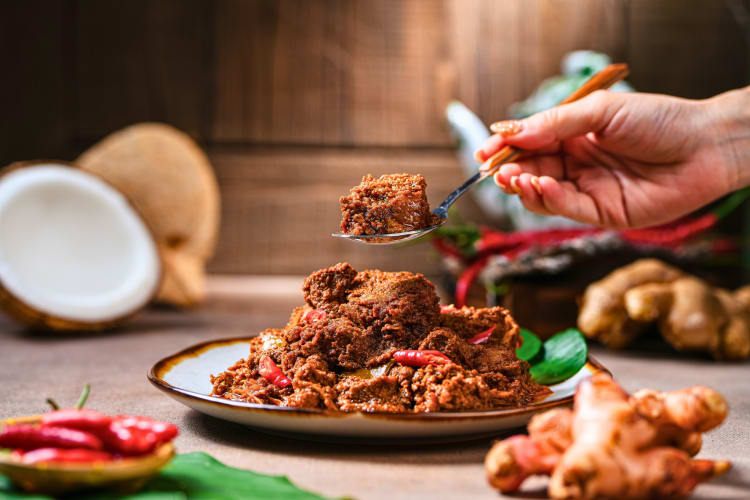
Among the cuisines we’re watching are Indonesian, Filipino, Lebanese and West African cooking, along with Korean street food. If you’re exploring Filipino food, adobo is a good place to start. Vinegar gives the dish its characteristic tang. For a very different kind of slow cooking, try West Sumatran rendang, where coconut milk cooks down around the meat. In West Africa, jollof rice varies by country and by cook.
In Los Angeles, Chef Francesca says her guests are curious about the food she grew up with in Sardinia. “When I speak about Sardinia and longevity, people are amazed and they want to know more,” she says. “Being from there, I can explain not just the food we eat, but also the lifestyle and the way we live.”
Familiar meals get bolder flavors
A seasoning can change a snack you’ve eaten for years. That’s where we expect to see some of the most adventurous flavor combinations in 2027, particularly on chips and in the condiments people keep in the fridge.
Cross-cultural combinations reach everyday foods
Kettle Brand’s Spicy Kimchi chips get their heat and tang from red pepper, garlic, cabbage powder and vinegar.
In its 2026 global flavor outlook, Innova Market Insights found that three in five consumers were open to trying traditional flavors with a modern twist. The survey covered consumers worldwide, so it offers a broader view than US snack sales alone.
Watch for condiments that use fermentation to deepen a familiar flavor, like gochujang barbecue sauce or miso mayo. Fruit offers another starting point. Mango softens the heat of chile in a snack and brings sweetness to jalapeño hummus.
Sauces and toppings transform familiar dishes
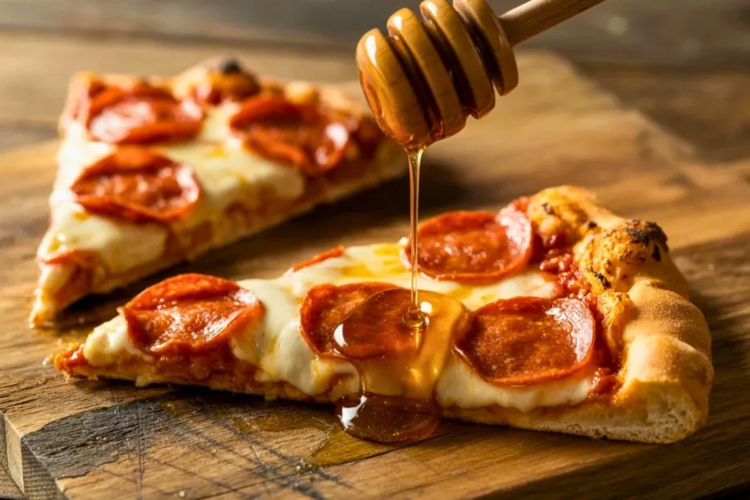
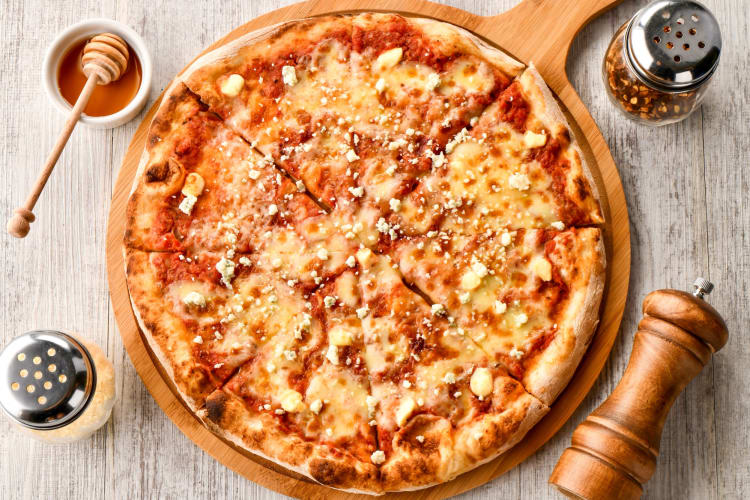
A spoonful of chili crisp gives soft eggs a crunchy edge, while hot honey on a slice of pizza adds sweetness and heat to the salty cheese.
In its review of the 2026 National Restaurant Association Show, Datassential reported that hot honey appeared on 11% of US restaurant menus, up 197% in four years. Chamoy, a fruity Mexican condiment with a sour, salty bite, grew 204% over the same period. Cooks at the show also demonstrated how to season dishes with zhoug, a spicy herb sauce, as well as sumac and za’atar.
“In my Bourbon Street class, we make béarnaise from scratch for the blackened snapper. The guests especially love the steamed shrimp with remoulade,” says Chef John in Fort Lauderdale. And Chef Francesca adds, “With steak, I keep it simple: salt and a chimichurri sauce to finish. You can still taste the meat, and people leave class happy they can make it themselves.”
Fermentation brings depth and tang
In a 2026 study by UC Davis researchers, about 51% of 665 respondents named taste as their main reason for eating fermented foods. The researchers surveyed people who already ate those foods, giving us a clue about what keeps them coming back.
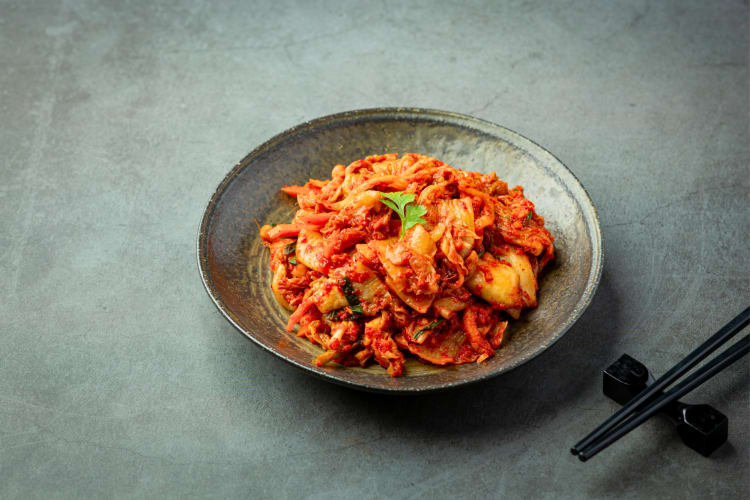
Miso dissolves into a broth or dressing and gives it a savory base. A spoonful of kimchi does something different, bringing acidity and crunch to a bowl of rice.
Miso-glazed protein appears among the top five dishes in the National Restaurant Association’s 2026 culinary forecast. It’s a versatile option that can be used in fish, meat and plant-based dishes.
Fermented hot sauces are one variation to watch in 2027. A few drops on a taco or a bowl of soup can add tang as well as heat.
Start with a small amount and taste the dish before adding salt. Miso, kimchi and fermented sauces vary in how much seasoning they bring with them.
Social-media food trends to watch in 2027
A recipe can catch on because it saves a cook half an hour or because people want to see what happens when someone slices into dessert. Three recent examples suggest what might hold viewers’ attention in 2027.
- Two-ingredient desserts. The dessert shared online as “Japanese cheesecake” in early 2026 needs to chill overnight. In Arla’s version, Biscoff cookies soften in skyr until you can eat them with a spoon. It bears little resemblance to Japan’s fluffy soufflé-style cheesecake, but it’s easy to see how a home cook could make it their own by adding coffee or changing the cookies.
- Dumplings without the folding. In a January 2026 recipe, Gracie Mao Wong layered dumpling wrappers and filling like lasagna. She could vary the amount of filling and broth and skip the work of sealing each dumpling.
- A dessert that looks like the fruit it’s made from. Cut into Cédric Grolet’s lemon-shaped dessert and the thin white chocolate shell gives way to lemon mousse and a flowing center. The first slice is the part worth filming.

Regional dishes in the freezer aisle
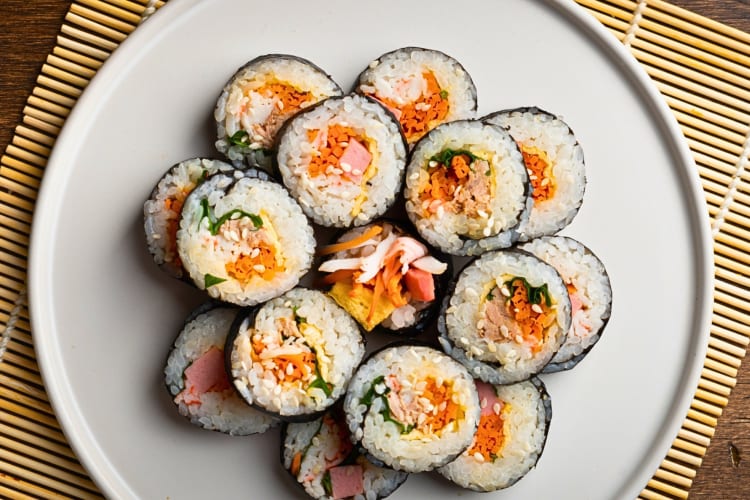
Gimbap, a Korean rice roll wrapped in seaweed, is finding a wider US audience through the freezer aisle. In April 2026, CJ Foods announced a new production line for frozen bibigo gimbap and plans to expand distribution to mainstream US grocers. Its rolls come with fillings including bulgogi, vegetables and tuna mayo. The company reported selling more than eight million units worldwide since the range launched in 2023.
Getting the rice right after reheating is one of the challenges. CJ Foods adjusts cooking times and temperatures for the individual ingredients before freezing the assembled rolls.
In Whole Foods Market’s 2027 forecast, the retailer points to cooks reworking familiar dishes. Among its examples are Mimi Cheng’s Korean-glazed beef dumplings and Laoban’s birria soup dumplings, announced for winter 2026.
In the 2026 Power of Frozen in Retail report, AFFI and FMI surveyed 1,560 US frozen-food consumers. Seventy-one percent looked for items they hadn’t bought before. The survey didn’t ask which cuisines interested them, but it did identify what mattered most when they bought frozen food: ease of preparation, price and taste.
The opportunity for 2027 is in dishes that take time to prepare well. A cook may spend an afternoon making dumpling wrappers and folding them around a filling. The same shopper might happily buy a frozen bag on a weeknight.
GLP-1 use influences portion and product design
In Gallup’s survey of 5,065 US adults in May and June 2026, 11% said they were taking a GLP-1 medication for weight loss, up from 3% in 2024. Food companies and restaurants have begun offering smaller portions for customers whose appetites have changed.
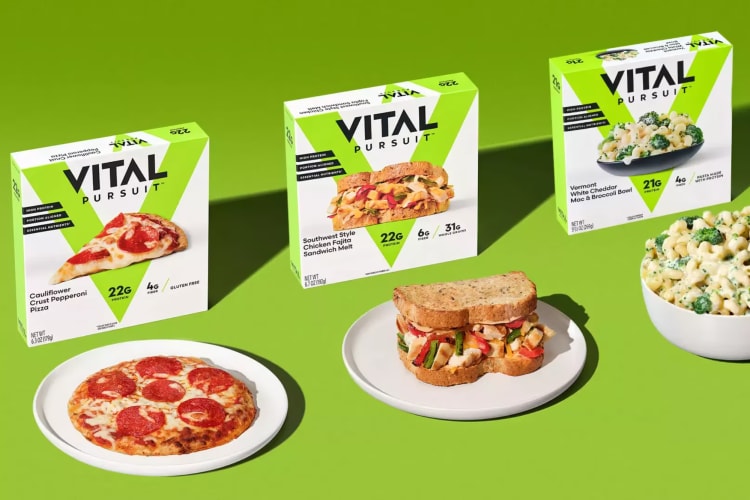
Nestlé launched Vital Pursuit in 2024 with portioned frozen meals including chicken bowls, sandwich melts and pizzas. Each provides at least 20 grams of protein and contains added nutrients.
Restaurants are responding too. In October 2025, Cuba Libre introduced its GLP-Wonderful menu, developed by chef Angel Roque with guidance from a physician specializing in weight management. It offers smaller versions of Cuban dishes including ropa vieja, pollo asado and grilled salmon, with an emphasis on protein and fiber. The restaurant also announced prices around 25% below comparable dishes on its main menu.
In 2027, we expect more frozen meals to list how much protein and fiber a smaller serving provides, and more restaurants to offer smaller portions at a lower price.
Protein shows up at breakfast and dinner
High-protein breakfasts now include coffee-flavored shakes, while protein-enriched pasta offers another option at dinner..
In Circana’s 2026 Eating Patterns in America research, 48% of US adults said they were seeking more protein, up seven percentage points from a year earlier. People described 12% of their commercial foodservice meals as high in protein, and those eating occasions rose 11% year over year.
- Coffee-flavored shakes. Oikos expanded its shake range in May 2026 with Strawberry and caffeinated Mocha Latte flavors. Each provides 30 grams of protein and five grams of prebiotic fiber.
- Pasta for the soup pot. Barilla added Stars to its Protein+ range in January 2026. The small pasta shape contains 17 grams of protein and 10 grams of fiber per 3.5-ounce serving.
“I recently hosted a cooking class focused on foods with anti-inflammatory properties. I have clients who ask me nutrition-related questions all the time,” says Chef Tiffany in Baltimore.
Fiber attracts more attention
Adults consumed less than half the recommended amount of fiber, according to the same Circana 2026 report.
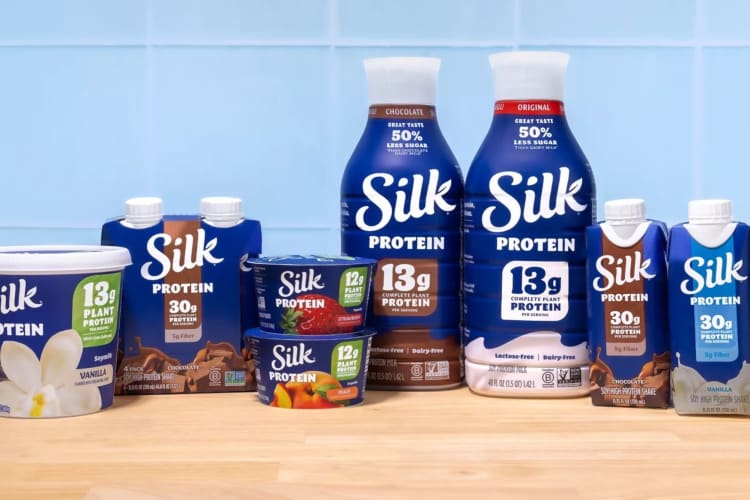
In July 2026, Silk introduced a plant-based yogurt with four grams of fiber per serving, alongside shakes with five grams. Both lines also contain added protein.
NIQ’s May 2026 analysis found stronger growth for higher-fiber products and singled out drinks and yogurt as foods people can easily work into a daily routine. Fiber content could become a more prominent selling point on both in 2027.
Plant-based food trends favor recognizable ingredients
In Innova Market Insights’ 2026 global research, 55% of consumers agreed that plant-based foods deserved a category of their own. Innova also found manufacturers developing products that put a recognizable ingredient, such as a bean or vegetable, at the center of the recipe.
In 2027, look for more meals where you can name the main ingredient at a glance. Lentils keep their shape in a salad, mushrooms take on a deep brown crust in a hot pan and a wedge of roasted squash is substantial enough to build dinner around. You can serve any of them alongside fish or meat.
More foods and drinks come with less sugar
In Ipsos’s 2026 poll, 37% of US respondents said they were seeking more foods and drinks with reduced sugar or sugar alternatives than a year earlier. For 2027, we expect food and beverage makers to respond by offering more lower-sugar versions of familiar products.
Some low-sugar yogurts and drinks use alternative sweeteners to keep the sweetness people expect. Others lean into a tarter flavor. For a dessert maker, changing the recipe takes more than adjusting the taste. Sugar also affects how soft a cake feels or how easily a frozen dessert scoops.
Clearer food labels become more important
In IFIC’s 2026 Food & Health Survey, 52% of Americans said they knew the term “ultraprocessed food,” up eight percentage points from 2025. Asked how they would decide whether a food fit that description, 56% said they would check the ingredient list.
A label can answer the questions that come up in the grocery aisle. Which sweetener gives this drink its flavor? What does the preservative in this loaf of bread do? In 2027, we expect more brands to explain those choices on the package.
Alcohol-free drinks find a place at dinner
A tart tea-based drink can hold its own alongside dinner, and a botanical aperitif gives guests an alcohol-free option before the meal. Beer accounts for much of the commercial interest. In January 2025, IWSR’s US no-alcohol market analysis forecast that the volume of no-alcohol drinks sold would grow by an average of 18% a year between 2024 and 2028, driven largely by alcohol-free beer.
IWSR also identified taste, price and availability as barriers. For a restaurant, offering a drink by the glass and suggesting a dish it goes with gives diners a way to try it over dinner.
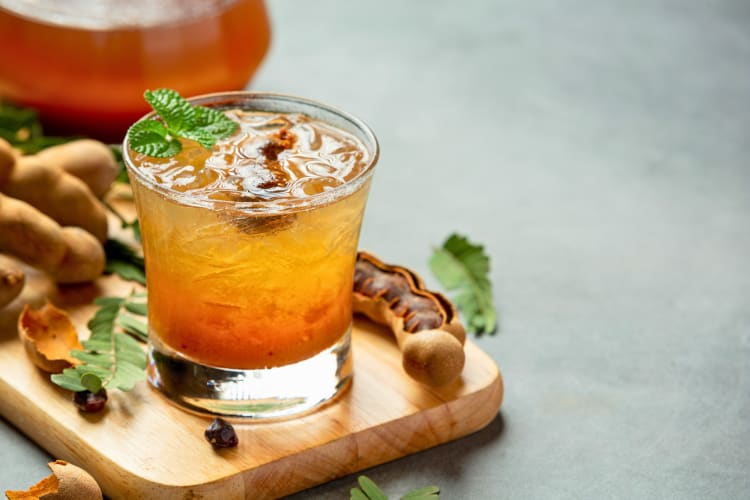
At home, try a little tamarind in a sparkling cooler. Taste it before adding syrup. If the fruit is already sweet enough, a squeeze of citrus may be all it needs.
Coffee and tea gain texture
On Starbucks’ 2026 spring menu, lavender cream topped both chai and matcha, while toasted coconut cream went into cold brew. The topping changes the first sip. You taste the cream before it mixes with the tea or coffee underneath.
That layering leaves cafés room to experiment in 2027. A customer who orders the same cold brew year-round can try a seasonal flavor just by changing the foam.
Tropical and citrus flavors brighten creamy snacks
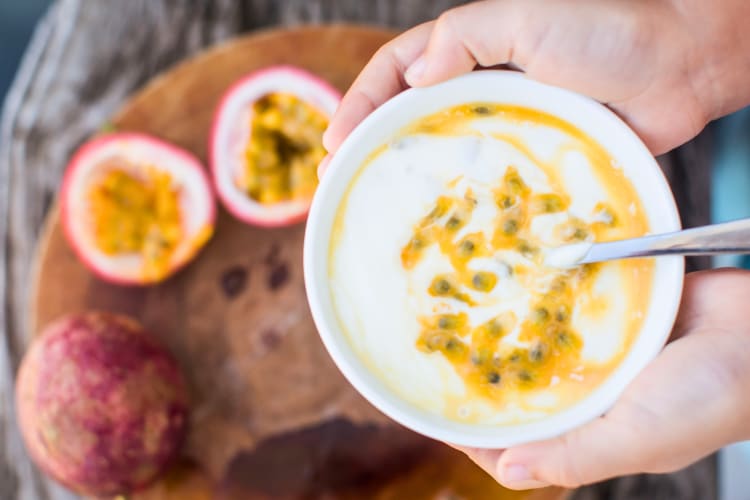
Mango is already the most common tropical flavor in new US food and drink launches. Passion fruit could be next to gain a wider following. According to research reported by the Institute of Food Technologists, US consumers are warming to its flavor, and Mintel expects it to appear in more yogurts.
Forager Project pairs passion fruit with mango in a Greek-style yogurt made from cashews and coconut. In the UK, Yeo Valley takes a sharper turn, pairing passion fruit with mandarin. For 2027, we expect more yogurt makers to introduce passion fruit this way, alongside a fruit shoppers already enjoy.
Store brands compete on quality
In FMI’s 2026 research, 37% of US shoppers buying more store-brand products cited taste as a reason, up from 26% in 2023. The share citing quality rose from 30% to 39% over the same period.
In May 2026, Target launched a Good & Gather collection with chef Roy Choi, featuring spicy ramen yuca chips, spicy chili mango gummies and chili lime cake pops. FMI also found that 94% of shoppers would continue buying store brands even if grocery prices fell.
Chef collaborations make dinner an event
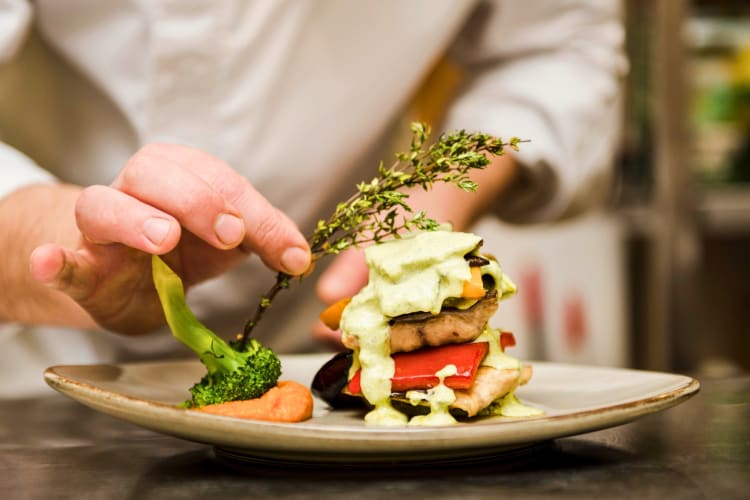
At a guest-chef dinner, the cook behind the stove can matter as much as the restaurant or the food. All three collaborations in East Village Noodle Nights at Momofuku’s Noodle Bar sold out (with Ho Foods, 886 and Win Son Bakery, respectively), the restaurant’s marketing director told OpenTable for its 2026 Dining Trends Report.
OpenTable reported a 46% year-over-year increase in experiential dining, alongside 34% more offerings such as pop-ups, collaborations and chef’s tables. At Spoon and Stable in Minneapolis, the eighth annual Synergy Series scheduled visits from four chefs, including pasta specialist Evan Funke and St. Lucia-born Nina Compton. Alongside the dinners, guests can hear the visiting chefs discuss the people and traditions behind their cooking.
For diners, the draw is the chance to try a visiting chef’s cooking close to home. Since these menus may run for only a night or two, the dates matter as much as the dishes when you book.
AI in restaurants changes how diners read menus and order
With Google Lens, you can point your phone at a menu and translate a dish’s description before you order. That’s particularly handy when two house specialties have unfamiliar names. You can also look the unfamiliar names up with the “search the web” function.
In its 2026 US restaurant trends report, SevenRooms found that 22% of consumers use AI to discover restaurants. Once you’ve picked a place, you can also ask more specific questions about the food. OpenTable’s AI Concierge can suggest what to order. If you’re already at the table and deciding between two dishes, Yelp’s Menu Vision lets you point your phone at the menu to see photos of each dish and read what other diners thought of it.
SideChef’s RecipeGen AI offers another use for a photo of your meal. Upload a picture of the mushroom risotto you’d like to recreate, and it can suggest a recipe with cooking instructions and ingredients you can add to your grocery cart..
Starbucks is exploring a feature that would let you describe the kind of drink you’re in the mood for and get suggestions in its app. It’s also exploring personalized drive-thru menus. Customers who opt in could see recommendations based on drinks they’ve ordered before. Starbucks also plans to test AI-assisted order entry at the drive-thru in early 2027. A barista would still take your order, with the software helping enter it.

How people choose culinary gifts
When someone gives a culinary experience, who picks the class? Cozymeal recorded 51,860 gift selections across 8,557 experiences. Recipients made 74% of the selections when they redeemed a gift card. The choices also tell us which cuisines and cooking skills people wanted to try.
For 2027, we expect gift cards to remain a popular way to give a cooking class. Pasta and sushi are two skills we expect to stay popular with both givers and recipients.
Source: Cozymeal gifts report. An active listing received at least one gift selection. Categories can overlap, and a customer can make more than one selection.
Recipients often choose the experience themselves
Of the gifts for foodies in Cozymeal’s report, 38,318 were experiences that recipients picked when they redeemed a foodie gift card. In the other 13,542 cases, the giver chose the experience. That distinction matters if you know someone would enjoy a class but are less sure what they’d like to cook.
Named cuisines and plant-forward menus attract interest
An experience on Cozymeal can carry several cuisine tags. A sushi class, for example, may count toward both the Japanese and Asian totals. Italian was the most common cuisine tag among gift selections.
Japanese and Indian experiences drew a larger share of gift selections than their share of catalog listings. Fusion experiences showed the opposite pattern. For someone choosing a gift, a cuisine name can say more about what the recipient will learn than a broad label such as “fusion.”
The choices also vary across locations. Italian experiences account for 52% of cuisine-tagged gift activity associated with Philadelphia listings, Asian experiences account for 36% in Seattle, and Thai experiences account for 15% in San Diego. These figures include online experiences assigned to each location, so they describe activity associated with those listings rather than necessarily the tastes of local residents.
Among listings that received at least one gift selection, vegan experiences attracted more selections per listing than the platform average.
Pasta, sushi and baking classes
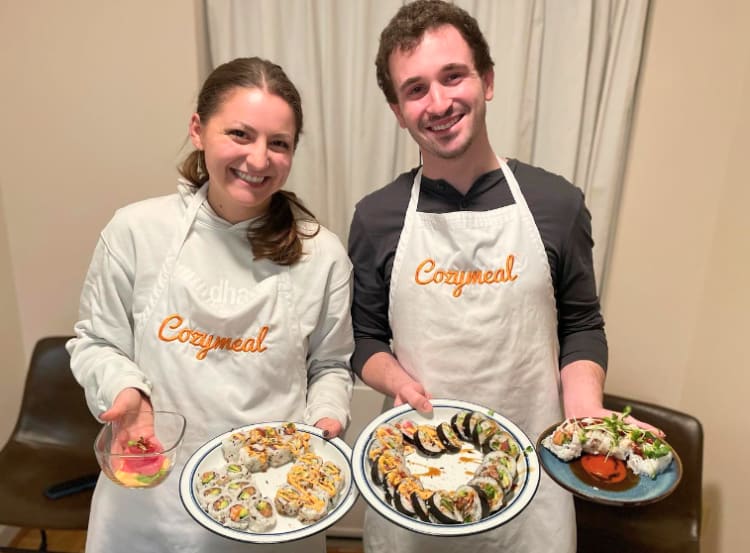
The most frequently gifted experience in the report was a fettuccine-and-ravioli class. Sushi-making listings with at least one gift selection averaged 10.5 selections each, compared with 6.1 across all active Cozymeal listings.
“My most requested class by far is Tour of Japan Sushi Night, with miso soup and seaweed salad,” says Chef John in Fort Lauderdale.
In Curious Plot’s 2026 Consumer Curiosity Report, Gen Z and millennial respondents expressed more curiosity about baking than Gen X respondents and baby boomers. The survey focused on early food adopters.
For someone who already buys good pasta or bread, a cooking class can answer a specific question they’ve run into at home, like how to seal ravioli or tell when dough is ready to shape.
Home cooking trends and ingredients to watch
Some food trends start when a different ingredient is used for an established dish; others come from finding another use for something already in the kitchen. “I think my classes are popular because the dishes are seasonal and simple. I think about their nutritional value and use spices to bring out the flavor,” says Chef Parsati, who teaches in the Bay Area.
Seaweed beyond the snack aisle
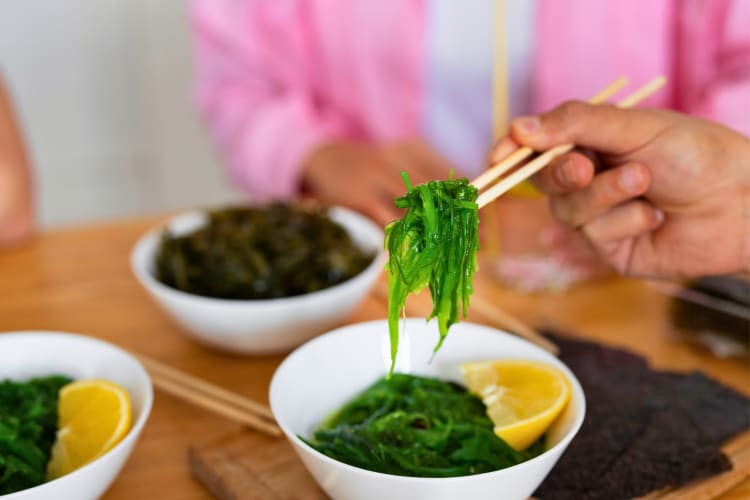
In Korea, gim (seaweed laver) is an everyday food. It’s used to wrap the rice and fillings in gimbap, a popular meal or snack. Korea’s official cultural website describes a familiar preparation in which the seaweed is roasted and seasoned with sesame oil and salt.
Leonel Pereira’s book Edible Seaweeds of the World documents 147 edible species. Nori comes in sheets for rolling sushi, wakame softens in soup and kombu lends savory flavor to broth.
In Maine, kelp growers have found uses for the harvest beyond dried sheets. NOAA’s profile of Atlantic Sea Farms describes how the company turns local kelp into fermented salad, kelp kimchi and frozen smoothie cubes.
Grand View Research projects that global seaweed-snack revenue will grow by an average of 11.6% a year between 2025 and 2030, with the fastest growth in North America. Snacks may be where many US shoppers first try seaweed in 2027. A jar of kelp kimchi gives them another way to use it at dinner.
Resourceful cooking turns leftovers into ingredients
Yesterday’s roast vegetables can become soup. A few slices of bread make crunchy crumbs for pasta, and cooked beans blend into a dip with lemon and herbs. If you’re planning a second meal later in the week, it helps to know how long leftovers are good for.
Chef Tiffany in Baltimore sees home cooks finding uses for parts of vegetables they used to compost. “I believe people are returning to using the whole ingredient in cooking,” she says. “Instead of composting, people are using food scraps to make stock or homemade onion or garlic powder.”
In ReFED’s 2026 research with YouGov, shoppers said higher food prices had prompted them to check their cupboards before shopping, cook at home more often and use more leftovers. People making several of these changes were more likely to report wasting less food.
In 2027, grocery prices could give this old habit fresh urgency. When you plan the first meal, set aside what you want for the second. A cup of plain beans is easier to turn into a lemony dip before it goes into the chili pot.
Heirloom beans bring variety to everyday cooking
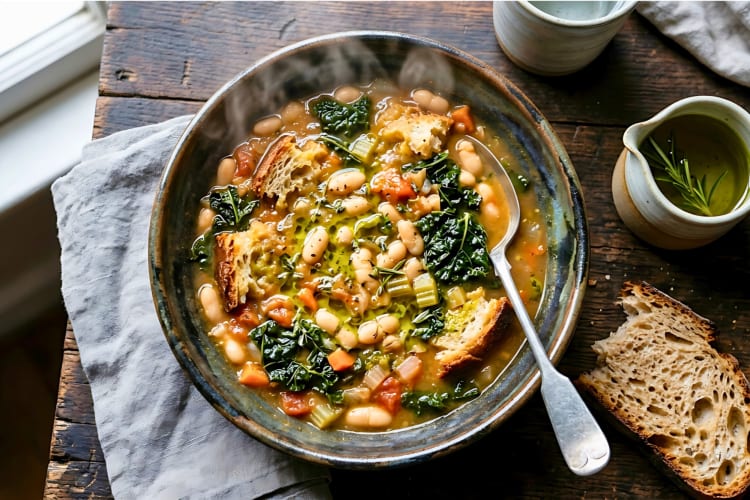
The beans you choose can change the character of a dish even if you keep the rest of the recipe the same. Some give up enough starch to thicken a pot of soup. Others stay intact through a long braise.
“Heirloom” generally describes plant varieties whose seeds have been passed down through generations, as explained by University of California Agriculture and Natural Resources. In the James Beard Foundation’s 2026 chef interviews, Sayat Ozyilmaz described seeing restaurants draw on heirloom bean cultivation and Indigenous farming traditions to shape their menus.
In 2027, look for chefs and recipe writers to name the variety they use. These two have quite different uses in the kitchen.
- Christmas lima beans have a substantial, chestnut-like texture. Bean specialist Rancho Gordo recommends them with mushrooms, in casseroles or with stronger flavors such as chile sauces and curries.
- Cranberry beans, also known as borlotti, have thin skins and a soft, rich texture. Their cooking broth makes them particularly suited to soups and pasta e fagioli, where it helps coat the pasta.
How we forecast food and drink trends
Our forecast draws on consumer surveys, sales figures, Cozymeal gift selections and conversations with chefs. Product launches and restaurant menus supply the examples. A survey tells us what people say they want, while a sale or booking records a choice they actually made.
Cozymeal’s gifts report counts 51,860 selections. Givers bought 13,542 specific experiences, and recipients chose the remaining 38,318 when redeeming gift cards. One person could account for several selections.
The catalog contains 13,587 listings across 164 metro areas. Of those listings, 8,557 recorded at least one direct gift or gift-card redemption; we refer to these as active listings. Unless otherwise stated, percentages use the total of 51,860 gift-related selections. Cuisine, cooking-skill and dietary tags can overlap, so their percentages should not be added together.
City figures use cuisine-tagged gift activity within each metro area, including online experiences assigned to that location. They therefore describe activity associated with Cozymeal listings in a metro, rather than necessarily the preferences of people living there. Comparisons with catalog availability measure a cuisine’s share of gift activity against its share of listings. Gift selections per active listing measure recorded activity, rather than a booking conversion rate.
The gift figures describe choices on Cozymeal. They cover only part of the platform’s bookings and cannot establish changes over time or measure national demand.
Frequently asked questions about 2027 food trends
What are the biggest food trends for 2027?
Frozen regional dishes, smaller restaurant portions and store-brand foods developed with chefs are three to watch. We also expect more choice in everyday groceries, including higher-fiber snacks and lower-sugar drinks.
Which cuisines are expected to become more popular in 2027?
We’re watching Indonesian, Filipino, Lebanese and West African cooking, along with Korean street food. The forecast concerns their visibility among US diners. Dishes such as rendang, adobo and jollof rice already have long histories in the communities that cook them.
What beverage trends should I watch for in 2027?
Look for alcohol-free options paired with food and seasonal cold foams on both coffee and tea. For something less sweet, tart fruit and botanical ingredients give drinks flavor without relying as heavily on syrup.
Is plant-based eating still a food trend?
Yes. Beans, mushrooms and lentils are taking a more prominent place in prepared meals. Plant-forward cooking works at home, too. A bowl of lentils topped with a little bacon still puts the lentils at the center of dinner.
How can I try a 2027 food trend at home?
If you’d like to explore a regional cuisine, a cooking class gives you a chance to try an unfamiliar technique with a chef there to guide you. You can watch how the chef prepares the dish, ask questions as you cook and use what you’ve learned the next time you make dinner at home.
One way to explore a regional cooking tradition is to try fish al cartoccio. The fish bakes in a sealed packet of parchment or foil that holds in steam and juices. “People often ask me how to get a lot of flavor with just a few ingredients,” says Chef Francesca in Los Angeles. “For my Mediterranean-style branzino, I use good olive oil, fresh herbs, potatoes and either capers or sun-dried tomatoes. I cook it al cartoccio so the fish stays moist.”