21 Summer Vegetables: What’s in Season and How to Cook Them

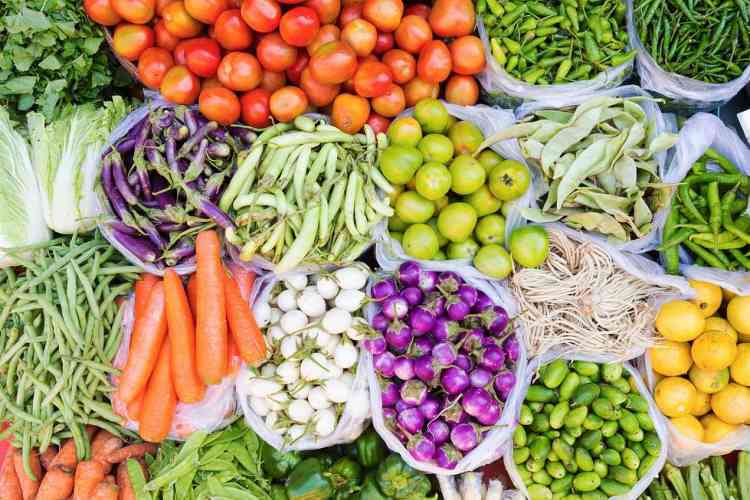
Summer vegetables are at their best when the weather is warm, the markets are full and simple cooking is more welcome due to the heat. Tomatoes, zucchini, cucumbers, corn, eggplant, peppers, okra, green beans, tender root crops and leafy greens all reach peak flavor in summer, making them ideal for grilling, salads, chilled soups, pasta dishes and easy seasonal sides.
While many summer vegetables are available year-round, in-season produce usually has better flavor, texture and color. Sweet corn tastes crisper, tomatoes are juicier, cucumbers are cooler and zucchini is tender enough for everything from quick sautés to backyard barbecues.
So, which summer vegetables should you be cooking with now? Below, you’ll find a guide to the best seasonal summer vegetables, including when they’re at their peak, how to use them and which ones are best for grilling, roasting, salads and warm-weather meals.
What Are Summer Vegetables?
Summer vegetables are crops that reach peak flavor during the warmest months of the year, including zucchini, cucumbers, corn, okra, field peas, eggplant, carrots, tomatillos, hot peppers, tomatoes, new potatoes and fresh basil.
Because they're naturally juicy, many are eaten fresh and used in chilled salads, but they're also great when grilled or roasted. Knowing what veggies are in season in summer means looking for heat-loving varieties that depend on intense sunshine to ripen.
Ultimately, the veggies that are best in summer are those harvested locally and enjoyed at full ripeness, capturing a level of sun-ripened flavor that you can't catch when eating imported fruits.
Summer Vegetables By Season
It's easy to think of the season as a single block of time, but the vegetables available in summer can actually shift as the months progress. Knowing which summer vegetables are in season during early, mid and late summer can help you plan to source the freshest produce, so you know when they're most flavorful.
Early Summer Vegetables
Asparagus, young carrots, beets, new potatoes, peas, fennel, radishes, young turnips
Midsummer Vegetables
Zucchini, summer squash, cucumbers, green beans, okra, eggplant, peppers
Late Summer Vegetables
Tomatoes, corn, tomatillos, hot peppers, sweet peppers, eggplant, basil
Quick Guide To The Best Summer Vegetables
Use this quick-reference guide to see exactly when your favorite summer vegetables are at their peak, how they taste and how to make the most of your seasonal haul.
| Vegetable | Peak season | Best uses | Flavor | Good to know |
|
Zucchini
| Early to late summer | Grilling, frying, sautéing, steaming or stewing
| Mild and tender
| Picked while the skin is soft and edible; has a short shelf life.
|
|
Cucumber
| Early to late summer | Salads, quick pickles, gazpacho and dips
| Cool, crisp and crunchy
| Keep the seeds inside, as that is where the umami flavor hides.
|
|
Corn
| Mid to late summer
| Grilling (in the husk), corn chowder and polenta
| Sweet and sugary
| You can grill it whole without shucking it to steam kernels to perfection.
|
|
Okra
| Midsummer | Gumbo, curries, roasting or pickling for martinis
| Nutty and almost peppery
| It features fuzzy pods and works as a natural thickener for soups.
|
|
Field Peas
| Early to late summer
| Savory broths, summer salads and side dishes
| Hearty and versatile (much better than canned)
| This category includes black-eyed peas, Red Rippers and Purple Hulls.
|
|
Eggplant
| Mid to late summer | Grilling, frying, sautéing, baking or marinating
| Earthy and absorbent; can be bitter raw
| Many chefs recommend "weeping" slices with salt to draw out bitter liquids.
|
|
Carrots
| Midsummer
| Roasting, blanching, summer salads and slow-simmered ragù
| Earthy sweetness with a delicate crunch
| Midsummer is the prime harvest time for these root vegetables.
|
|
Tomatillos
| Late summer | Salsa verde, salsa fresca, enchiladas and sauces
| Tart and almost citrus-like
| These are husk-covered, green-fleshed cousins of the tomato.
|
|
Hot Peppers
| Late summer
| Stir-fries, papaya salads, stuffing or adding to guacamole
| Ranging from mild and smoky to extra-hot
| Summer-loving strains like serranos, jalapeños and habaneros love intense heat.
|
|
Tomatoes
| Late summer
| Caprese salads, tarts, slow-stewed sauces and pasta dishes
| Juicy, plump, sweet and savory
| Sun-ripened, off-the-vine tomatoes are sweet enough to be churned into ice cream.
|
|
New Potatoes
| Early summer | Gentle boiling, roasting with garlic and rosemary, or potato salad
| Moist middle with an earthy flavor
| These are freshly-harvested potatoes with soft, ultra-thin skins that don't store well.
|
|
Fresh Basil
| Early to late summer
| Pesto, stir-fries, tomato sauces and fresh garnishes
| Highly aromatic, sweet and fragrant
| Harvesting a pinch of leaves causes two more stems to grow in their place. |
| Summer squash | Early to late summer | Grilling, roasting, raw ribbons in salads | Mild, sweet and nutty | Skin is completely soft and edible; distinct from hard winter varieties. |
| Cherry tomatoes | Mid to late summer | Blistered pasta toppings, skewers, raw snacking | Intensely sweet and concentrated burst | High sugar content makes them ideal for quick-blistering in a hot pan. |
| Sweet peppers | Late summer | Stuffing, grilling on skewers, fajitas, raw dipping | Mild, juicy and highly sweet | Sweeter than green bells because they spend more time ripening in the sun. |
| Green beans | Midsummer | Blanching, cold bean salads, quick stir-fries | Crisp and snappy with green sweetness | Best when thin and flexible; snap off the stems just before cooking. |
| Beets | Early summer | Roasting, pickling, shaved raw in salads, cold beet salads | Rich, deeply sweet and earthy | Both the nutrient-dense roots and the leafy green tops are edible. |
| Fennel | Early summer | Shaved paper-thin in salads, braising, seafood pairing | Crisp with a bright anise or licorice notes | Soaking shaved slices in ice water enhances its incredible crispness. |
| Radishes | Early summer | Sliced thin with butter and salt, quick pickles, taco topping | Crisp, sharp and peppery | Stems cook slower than leaves; chop and cook the colorful stems first. |
| Swiss chard | Early to late summer | Sautéing with garlic, wilted greens, frittatas | Earthy, tender leaves with salty undertones | Lighter and sweeter than winter varieties, making it ideal for raw slaws. |
| Summer cabbage | Early summer | Coleslaws, fish taco toppings, light stir-fries | Crisp, peppery and slightly sweet | Harvested early in the morning during warm months to prevent bitterness. |
| Lettuce | Early summer | Fresh garden salads, burger toppings, wraps | Refreshing, cool and crisp | Harvesting a pinch of leaves causes two more stems to grow in their place. |
21 Top Summer Vegetables
1. Zucchini
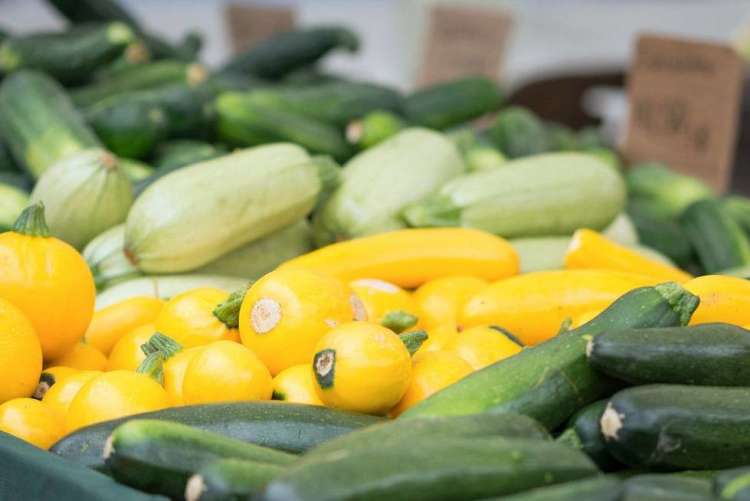
Unlike their cold-month cousins, summer squashes are picked while their skin is still soft and edible. Indeed, the “summer squash” name refers to this gourd’s short shelf life compared to hard-shelled pumpkins.
Zucchini is king in this squash dynasty — ideal for frying, sautéing, steaming, grilling or stewing. Widely available in summer, it’s one of the healthiest cheap foods you can buy. In late spring and early summer, you may spot bags of buttery squash blossoms at your farmers market, perfect for a quick deep-fry.
Beyond this flavorful flora, though, zucchini is one of the best grilled summer vegetables. It should be salted, sweated and caramelized on your grill. You can also simmer squash rounds with extra virgin olive oil, cherry tomatoes, chopped chili pepper and garden basil for a no-fuss spaghetti sauce.
Recipes Featuring Zucchini
2. Cucumber
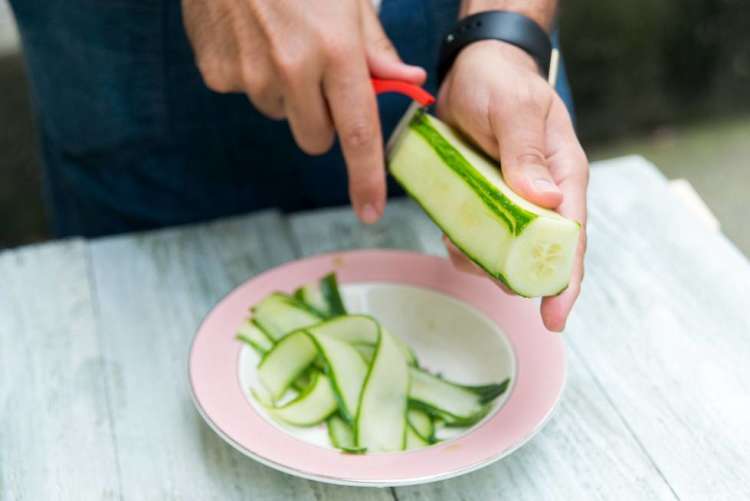
Crisp. Crunchy. Cool. No, that’s not the sound of autumn — it’s three words that define the cucumber. Whether shaved paper-thin for a sesame-flecked Japanese quick pickle or married to juicy tomatoes in a Tuscan panzanella, cucumber will make your mouth glad to chomp and chew.
Cucumber can also serve as the base for a summer vegetable soup, like gazpacho, or a cooling gin-lime spritzer. Ignore what you’ve read online and be sure to keep the seeds in your cucumber; it’s where this vegetable’s umami taste is hiding.
Cooks can add cucumber’s signature crunch to Mediterranean chickpea salad, a rich salmon tartare or a sauce-friendly dairy like yogurt. Cucumber loves to mingle with fresh green herbs such as mint, chives and dill.
Recipes Featuring Cucumber
3. Corn
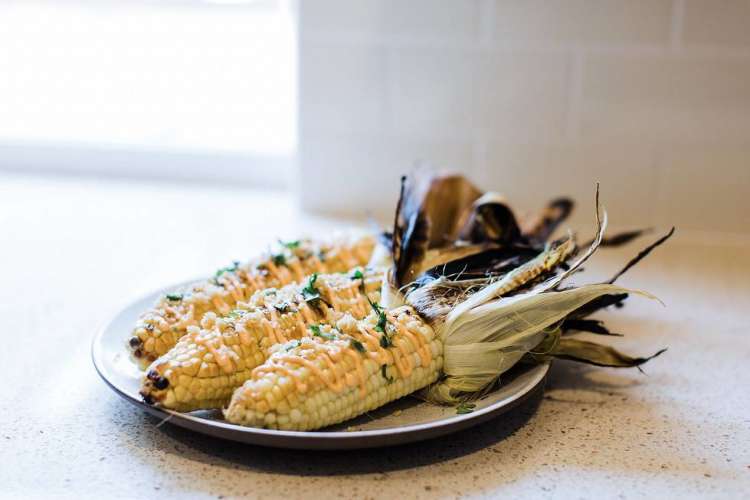
Nothing says summer in the USA quite like the king of late summer vegetables, sweet corn. But, we’re gonna let you in on an a-maize-ing little secret: Boiled corn-on-the-cob isn’t your only (or even best) option.
Another perfect option for grilled summer vegetables, throw corn on the grill, husk and all, to steam cook the kernels to perfection.
You don’t even need to shuck it. Or, you could whip up a batch of Cajun corn chowder — where the corn’s sweetness mellows the cayenne’s kick. Or, you might sear sea scallops and serve them atop a creamy bed of fresh-corn polenta. The options for this sweet summer vegetable are endless.
Recipes Featuring Corn
4. Okra
Okra is a summer vegetable used in West African, Indian and Southern cooking. Producing fuzzy and fibrous pods, okra is a key ingredient in slow-simmered stews like gumbo or in gravy-like curries.
In addition to imparting a nutty and almost peppery taste, okra is used by cooks around the globe to thicken sauces and soups.
Okra also makes for a delicious roasted summer vegetable. For a light summery snack, toss halved okra in a zesty blend of chickpea flour, cayenne pepper, mango powder, vegetable oil and fresh-ground cumin — then bake on a cookie sheet, at 400 degrees Fahrenheit, until crispy.
Martini lovers might shake up their dirty standard by adding a pickled okra to their glass.
Recipes Featuring Okra

5. Field Peas
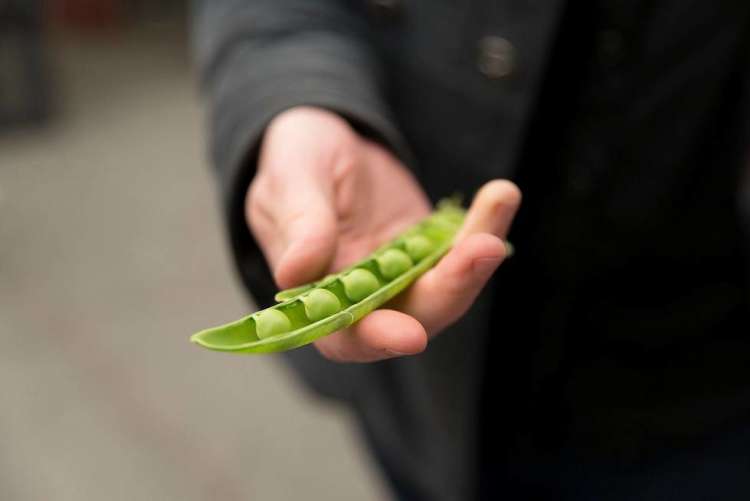
Summer in the Southern U.S. means one thing: It’s fresh “field pea” season. And there’s much more to the pea than soggy, canned mushiness.
This summer vegetable represents a seasonal staple in Southern cooks’ kitchens. This ancient veggie category includes black-eyed peas and heirloom strains like the Red Ripper and Purple Hull.
Once plucked from the garden, field peas can be simmered in a savory broth that you flavor with bell peppers and sautéed onions. For a spicier twist, accent your field pea salad with sliced jalapeño, charred sweet corn and fresh-squeezed limes for the ultimate summer vegetable side dish.
Recipes Featuring Peas
6. Eggplant
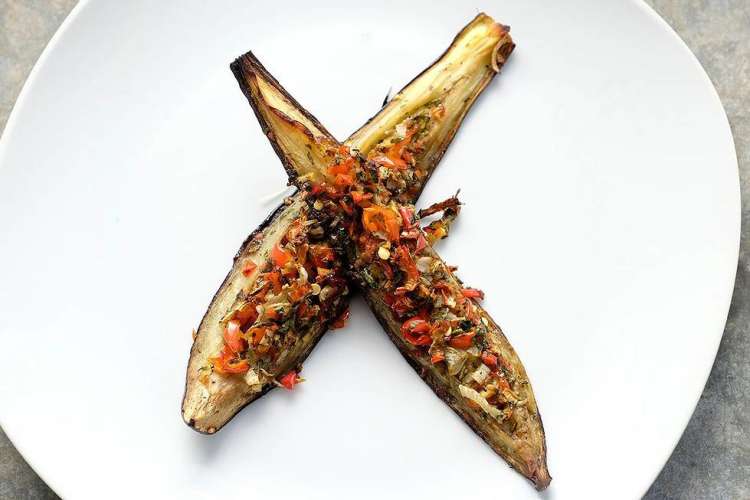
Eggplants come in a plethora of shapes, sizes and colors. Thai eggplants are small, round and green. Italian eggplants are oval-shaped and burgundy purple. Japanese eggplants are slender, boasting a bright violet hue.
Whether your eggplant is milky white or pitch black, this is one versatile summer vegetable that's good for grilling, frying, sautéing or baking. Many chefs recommend “weeping” the eggplant before any high-heat preparation, a.k.a. salting the sliced eggplant and drawing out its bitter liquid.
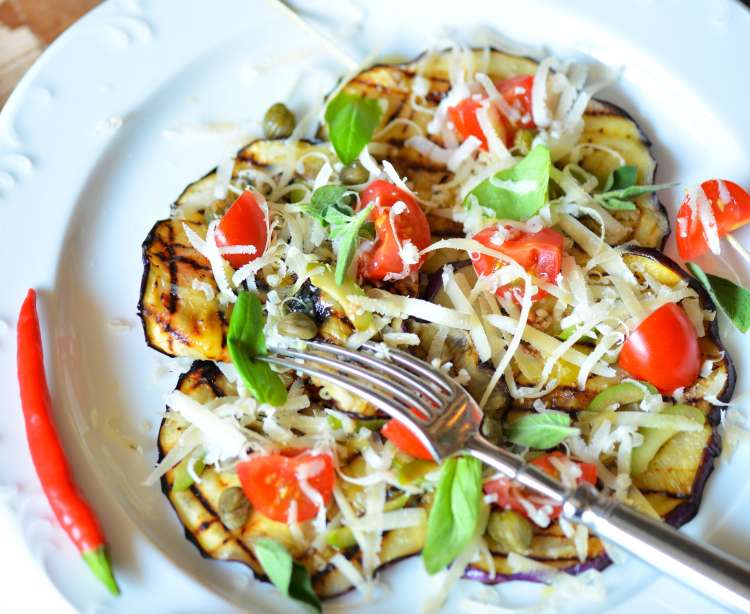
A lovely summer vegetable side dish is marinated eggplant. Just brush the slices with olive oil and grill until golden brown. Then, soak the crisped eggplant in a savory slurry of red wine vinegar, chopped mint, minced garlic, flat-leaf parsley and extra virgin oil.
Recipes Featuring Eggplant
7. Carrots
Carrots will grow from seeds throughout the hotter months, making mid-summer the prime harvest time for your favorite root vegetable. Rich in minerals and vitamins, carrots imbue an earthy sweetness to a slow-simmering ragù or a delicate crunch to your summer salad lineup.
Whether you’re in the mood for roasting or blanching, carrots have you covered for an array of summer vegetable dishes. For a kid-friendly side, roast heirloom carrots in the oven until they begin to caramelize — tossing them next with wild honey, extra virgin oil and toasted walnuts.
For a more aromatic take on the humble carrot, blanch your roots until soft and then dress with a Moroccan vinaigrette of cumin, lemon and garlic.
Recipes Featuring Carrots

8. Tomatillos
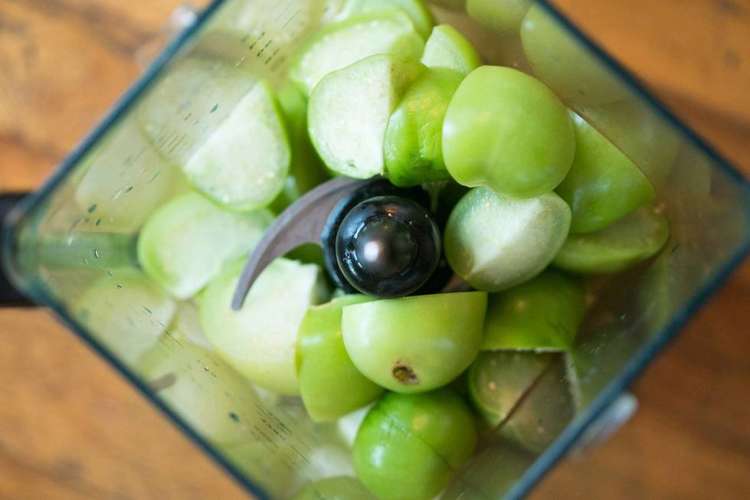
Before there were big red ’maters in your grocery store, there was the tomatillo; the tomato’s husk-covered, green-fleshed cousin.
Grown throughout the Americas, tomatillos are a staple in traditional Mexican cooking that's used most famously to make tangy salsa verde (green salsa). This pre-Columbian ingredient boasts a tart, almost citrus-like flavor; tomatillos can be served raw in a salsa fresca (fresh salsa) or grilled/blanched in a smoother sauce.
Give your corn chips a break from the canned red stuff and blend up a batch of tomatillo-avocado salsa — the creaminess of the avocado cuts the heat from the jalapeño.
Recipes Featuring Tomatillos
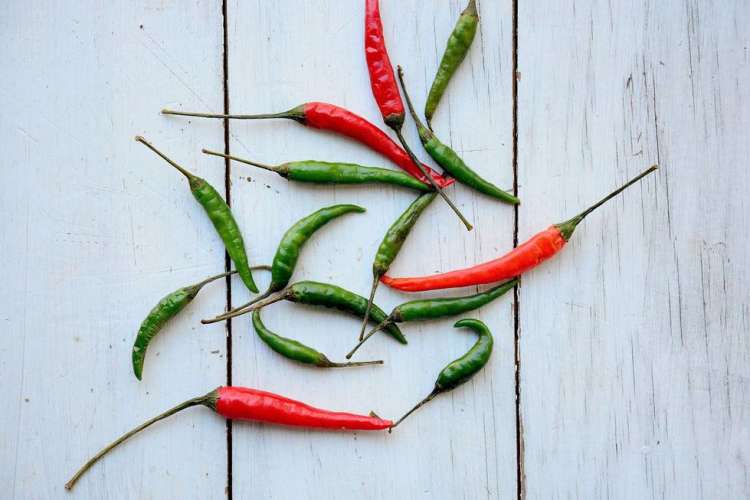
9. Hot Peppers
Hot peppers can make us sweat. And, they also love sweat-inducing heat. Summer-loving strains of pepper bear their spicy fruit come the hot-n-humid months, transforming into Thai chili, banana peppers, serrano and the extra-hot habanero.
On the mild side, you can stuff poblano peppers with seasoned rice and melty Mexican cheese — crowning your chile relleno with a green or red enchilada sauce. Poblano peppers can also make the healthiest salad dressing pop with a subtle, smoky heat that won’t overpower other flavors.
Thai chili adds an extra “umph” (technical chef term) to green papaya salads or your eggplant stir-fry. For a quick guacamole upgrade, add slivers of raw jalapeño and fresh lime to your ripe avocado. Not as accustomed to working with the spicy varieties of this summer vegetable? Our article on how to eat hot peppers has you covered.
Recipes Featuring Peppers
10. Tomatoes
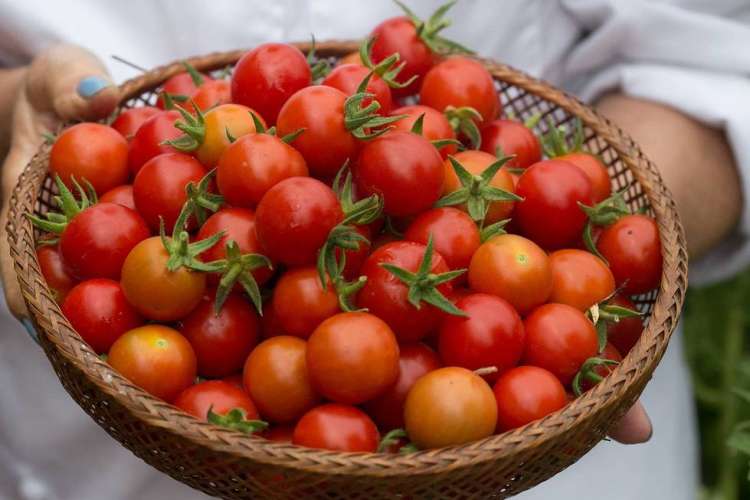
Juicy, plump, unrivaled. Would it even feel like summer without garden-fresh tomatoes gracing your dinner table?
Widely used in both American and international cuisines, the tomato is a multi-talented late summer vegetable — scrumptious right off-the-vine, tasty when slow-stewed and even sweet enough to be churned into ice creams.
Purists will cheer the savory simplicity of the caprese salad, when sun-ripened tomatoes pair with milky fresh mozzarella and fragrant basil leaves. Bakers might instead want to give their tomatoes the tart treatment by marrying fresh tarragon and tangy goat cheese atop a flaky crust.
Paired with angel hair, Parmesan and olive oil, blistered cherry tomatoes top off the perfect summer vegetable pasta dish. And for that perfect summer picnic menu, try Israeli couscous with cherry tomatoes, lemony parsley and cured Kalamata olives.
Recipes Featuring Tomatoes
11. New Potatoes
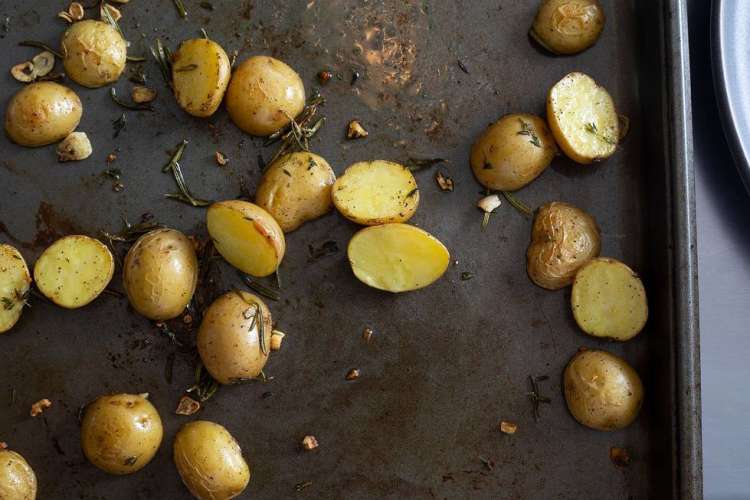
New potatoes are freshly-harvested potatoes that feature soft skin and a moist middle. Because of their thin skin, new potatoes do not tend to store well.
This summer vegetable is best eaten when freshly-harvested, before the potatoes have been bruised or begun to dry out. These delicate tubers don’t require a sous vide machine to shine on your plate. According to chefs, a simple (and simply addictive) way to cook them is a gentle boil, followed by a mustard and dill vinaigrette.
Alternatively, new potatoes are perfect roasted summer vegetables — roast them with olive oil, garlic cloves and several stems of fresh rosemary until crisp on the outside and tender inside.
Recipes Featuring Potatoes
- Dill Potato Salad
- Easy Boiled Potatoes by Natasha's Kitchen
12. Fresh Basil
Pesto. Stir-fry. Lemonade. What do these dishes all have in common? Well, one yummy herb: Basil.
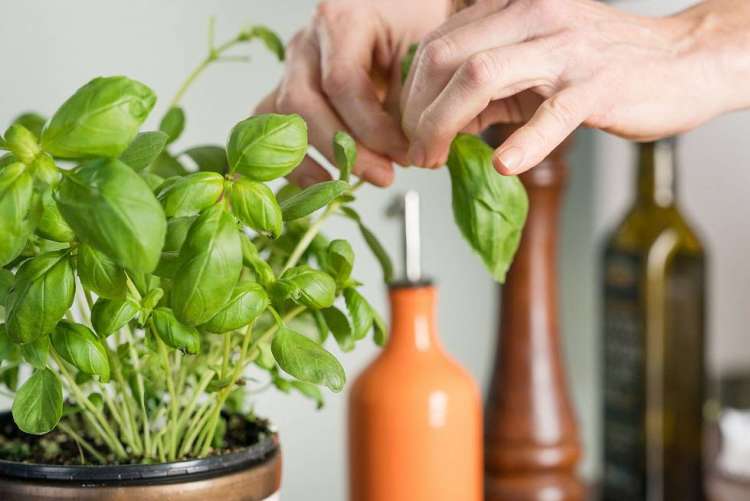
Garden basil, whether it’s the Thai or Italian variety, will gussy up your adventures in the kitchen. Stir a handful of fresh basil into a slow-simmered tomato sauce for an extra layer of aromatic addictiveness to your summer vegetable pasta dishes.
Southeast Asian cuisines, like Thai or Vietnamese, rely on raw and frizzled basil to add both fragrance and sweetness to stir-fries and slurpable soups.
If you grow basil at home, you can harvest the leaves all summer. After you harvest a pinch of leaves, two more basil stems will grow from where you plucked!
Recipes Featuring Basil
13. Summer Squash
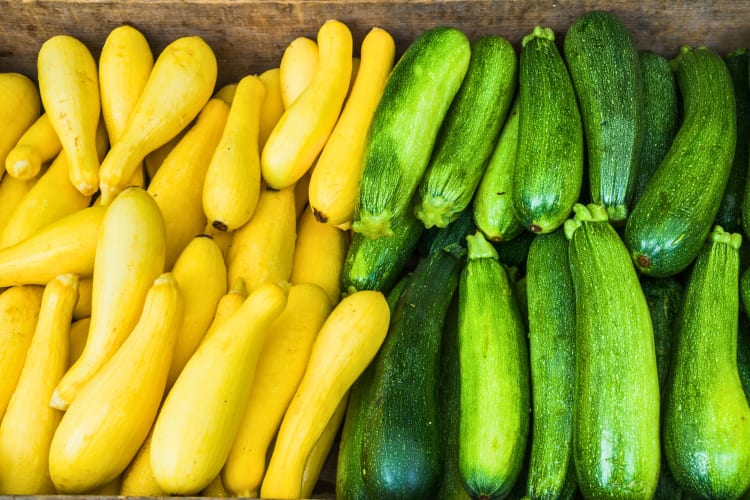
While zucchini often hogs the limelight, the broader summer squash family boasts an array of sun-loving stars like yellow crookneck, pattypan and zephyr squash.
Just like their green cousins, these warm-weather gourds are picked young while their skin is completely soft, tender and entirely edible. They offer a mild, slightly sweet and nutty flavor profile that makes them an incredibly versatile addition to your seasonal cooking.
Summer squash makes a magnificent roasted summer vegetable, but it also shines when sliced into raw ribbons, tossed with olive oil and fresh lemon juice, and served as a crisp salad. Alternatively, you can hollow out round pattypan squashes, stuff them with seasoned quinoa and goat cheese, and bake them for an elegant meatless centerpiece.
14. Cherry Tomatoes
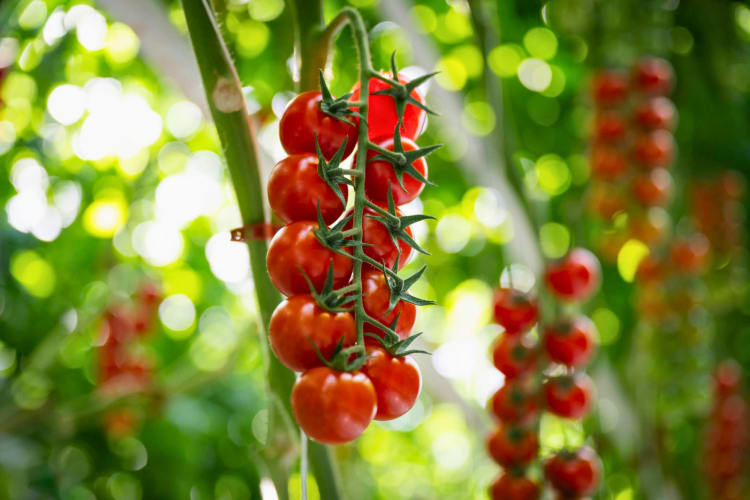
If heirloom tomatoes are the undisputed rulers of late summer, cherry tomatoes are the playful crown princes. These bite-sized beauties burst onto the scene in mid-to-late summer, packing a highly concentrated punch of sugary sweetness and juicy acidity. Because they grow abundantly and require minimal prep, they're the ultimate low-fuss ingredient for quick weeknight meals.
They can be used to whip up the freshest summer vegetable pasta dish. Just toss a handful of cherry tomatoes into a sizzling-hot skillet with extra-virgin olive oil and garlic until their skins blister and pop, releasing their natural juices to form an instant sauce. They're also easy to thread onto skewers for a backyard barbecue, or simply tossed raw with fresh mozzarella pearls and a chiffonade of garden basil.
Recipes Featuring Cherry Tomatoes
15. Sweet Peppers
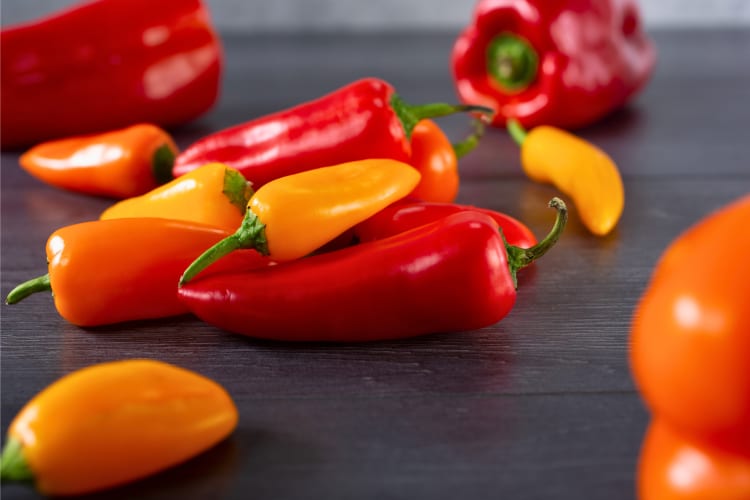
Sweet peppers offer a crisp, refreshing taste to your summer menu. There's also a range of flavors, from blocky bell peppers to elongated Italian frying varieties. These colorful pods spend all summer soaking up the sun to develop their characteristic high sugar content and juicy crunch.
Slice them raw and dip them in a cooling yogurt (like tzatziki) or a hummus dip. You can also expose them to high heat for a quick stir-fry or thread them onto skewers alongside eggplant and zucchini for a colorful grilled summer vegetable medley before throwing them on the fire for your summer cookout.
For a classic comfort dish, stuff whole sweet bells with wild rice, field peas and savory spices before baking them to tender perfection.
Recipes Featuring Sweet Peppers
16. Green Beans
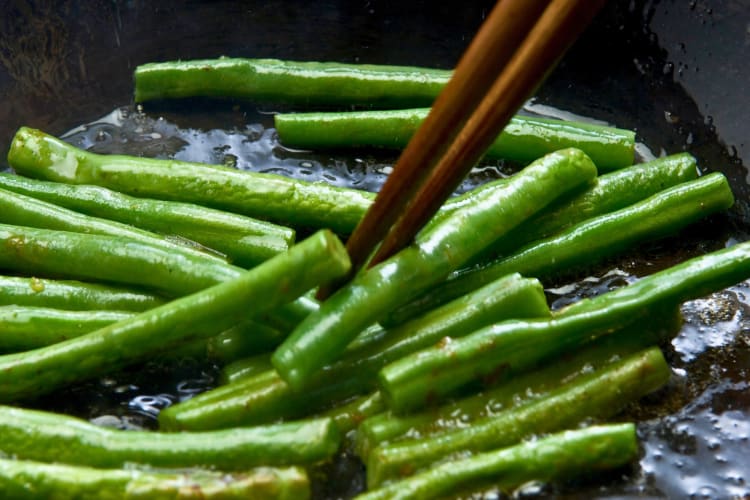
If you're growing your own summer vegetables, you'll want to try and pick fresh green beans and toss them into your midsummer salad for a satisfying crunch. This variety is different from the snap beans found in a tin can. They're fresh, seasonal and vibrantly green, while being flexible and bursting with a clean, sweet flavor.
To keep their gorgeous color and signature snap, blanch your green beans in boiling salted water for just a couple of minutes before plunging them into an ice bath. From there, you can toss them with a light citrus vinaigrette, toasted almonds and shaved Parmesan for an effortless cold bean salad. If you prefer them warm, quickly sauté them in a hot pan with minced garlic, cherry tomatoes and a squeeze of fresh lemon juice.
Recipes Featuring Green Beans
- Green Bean Fries
- Air Fryer Green Beans
- Green Bean Almondine
- Keto Green Bean Casserole
- Fried Green Beans
17. Beets
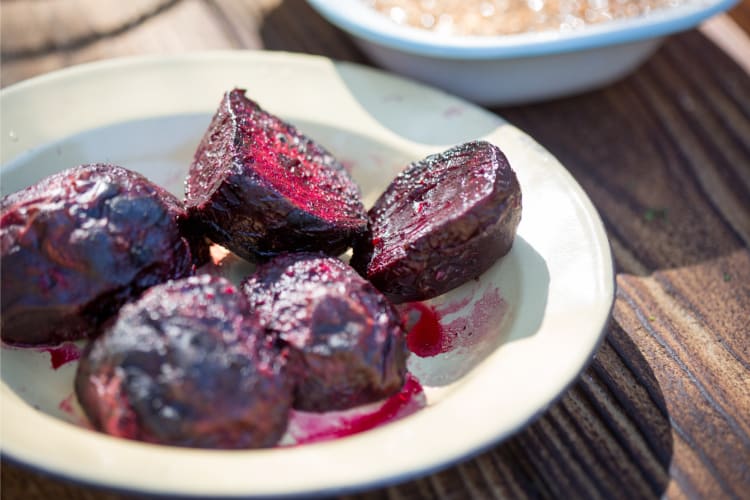
Beets reach their first peak in early summer, and when cooked right, they're absolutely delicious. These nutrient-dense root vegetables are packed with natural sugars that intensify when cooked. If you didn't already know, fresh summer beets are edible from the roots to the leafy green tops.
To draw out their natural sweetness, roast them in foil for a while until tender. Then slip off the skins and toss them with crumbled feta cheese, chopped walnuts and fresh mint. You can also shave raw beets paper-thin using a mandoline to add a dramatic ruby-red pop and an extra crunch to your summer salads.
Recipes Featuring Beets
18. Fennel
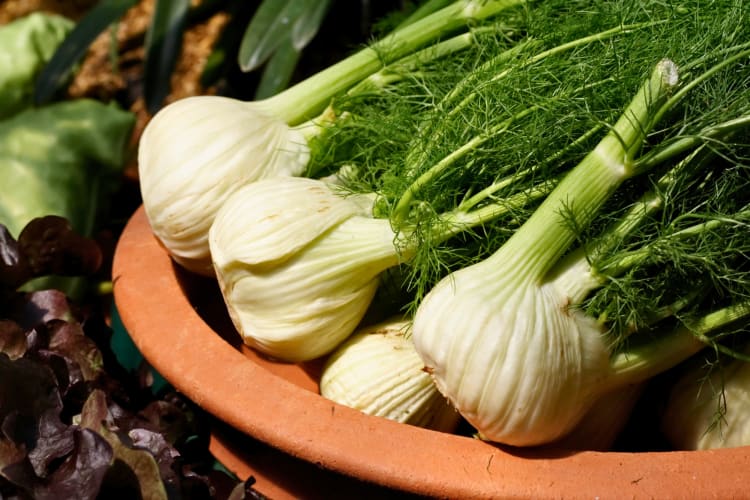
When you're wandering around the farmers' market stalls in early summer, you'll most likely see this pale green bulb with feathery fronds. This unique vegetable delivers a crisp texture and a bright, refreshing flavor profile defined by clean notes of anise and licorice.
The best part about fennel is that it is actually quite diverse in the kitchen. You could slice it paper-thin and soak it in ice water to become satisfyingly crisp in a refreshing summer salad. If you slice the bulb into wedges and braise or roast it in olive oil, the sharp licorice notes fade away so that is transforms into a sweet side dish that pairs well with grilled seafood.
Recipes Featuring Fennel
19. Radishes
For a sharp, peppery bite in your meals, you'll want to add some radishes. When harvested early, these small, powerful globes are sweet, solid and crisp. They're classically used to add a peppery crunch to tacos and garden salads, but can also be used in French cuisine. Slice them thin and serve them on top of a crusty baguette with salted butter. For a surprising twist, try roasting them whole in olive oil, as the high heat mutes the peppery taste and changes the flavor profile to sweet and juicy, similar to a turnip.
Recipes Featuring Radishes
- Cowboy Steak with Pan-Fried Radish and Bacon
- Beer Battered Fish Tacos
- Pulled Pork Tacos
- Skirt Steak Tacos with Avocado Crema

20. Swiss Chard
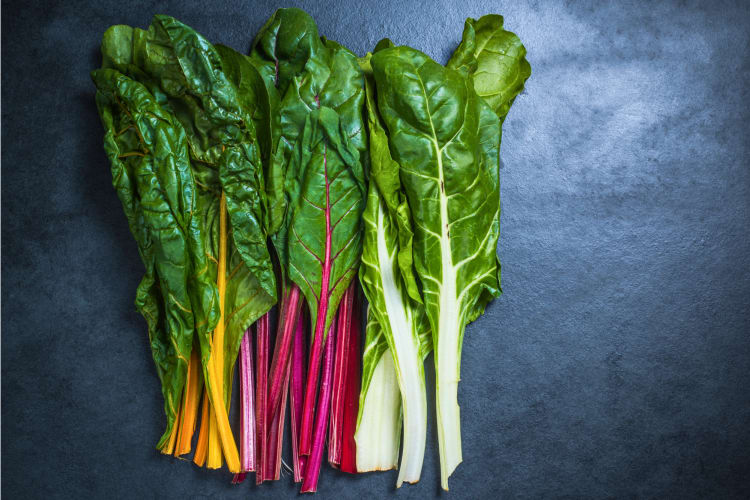
Swiss chard is a hardy, heat-tolerant leafy green. You'll clearly notice it at the farmers' market when you see its broad, tender dark-green leaves and thick, crunchy stalks. But they aren't only green, they actually come in a vibrant array of hot pink, yellow, orange and white.
We recommend chopping the stems and cooking them first, as they take a bit longer to cook. Sauté the colorful stalks in extra-virgin olive oil with plenty of sliced garlic and a pinch of chili flakes, then toss in the chopped leaves for the final 2 minutes, until they start to wilt. Finish with a splash of fresh lemon juice or red wine vinegar for a quick, iron-rich summer side.
Recipes Featuring Swiss Chard
21. Summer Cabbage Or Lettuce
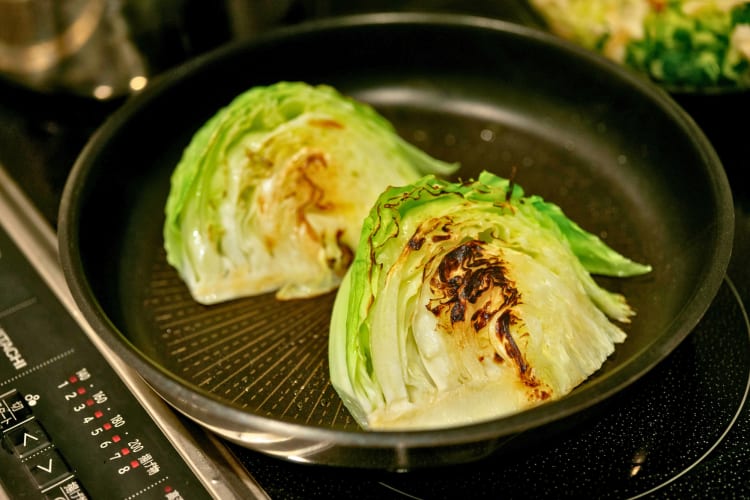
Apart from the dense cabbages usually used in winter stews, summer cabbages and early-season lettuces are crisper, with a light and refreshing crunch. From loose-leaf butterheads to conical pointed cabbages, these leafy treats are harvested early in the morning during the warmer months to ensure they stay sweet and free of bitterness.
The summer cabbage variety has thinner, more delicate leaves, which are great for coleslaws or toppers for grilled fish tacos. Crisp summer lettuces like romaine or butter lettuce are a low-carb addition to wraps, especially when blended with chopped cucumbers, sweet corn and field peas.
Recipes Featuring Cabbage or Lettuce
Best Summer Vegetables Per Meal
You could just toss all your summer vegetables into a wok and hope for the best, but if you really want to get the most out of your seasonal goodies, we recommend matching each ingredient with a specific cooking method. This way, you can highlight the natural sugars, moisture content and unique textures. Here is how to prepare your summer vegetables for the ultimate seasonal flavor.
Best Summer Vegetables For Grilling
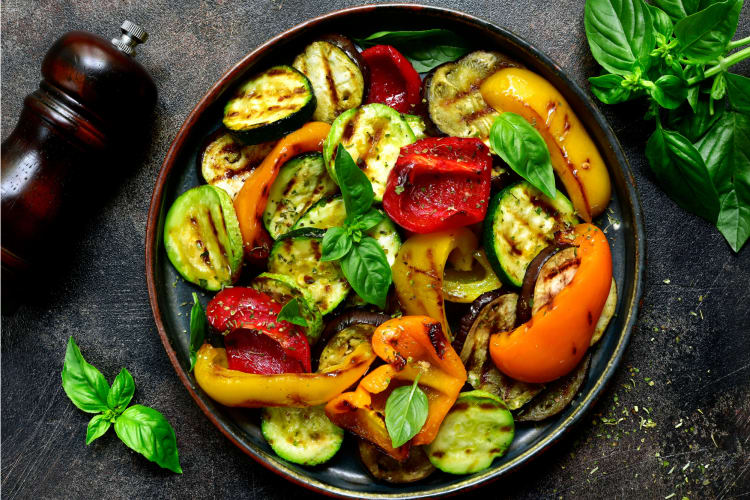
The intense heat of your outdoor grill can caramelize the natural sugars in summer produce, which adds a smokiness to your meals. The best summer vegetables for grilling include corn, zucchini, summer squash, eggplant, peppers, okra, new potatoes and tomatoes.
To prevent smaller items like okra or sliced peppers from falling through the grates, thread them onto skewers or use a grill basket. For an incredibly tender and sweet side dish, you can even grill whole corn in its husk, which acts as a natural steamer.
Best Summer Vegetables For Salads
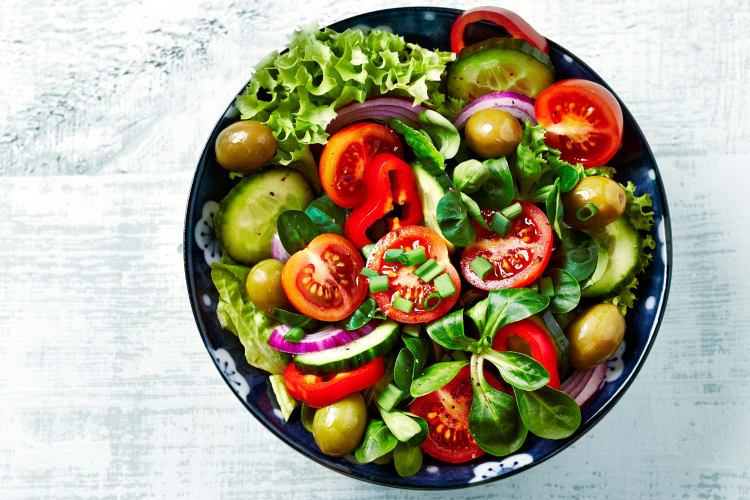
A no-cook salad is the classic starter for your picnic menu. The best summer vegetables for salads are tomatoes, cucumbers, corn, radishes, carrots, basil, fennel, green beans and sweet peppers. For an elegant starter, pair shaved fennel with citrus slices or toss raw sweet corn kernels directly off the cob with diced cucumbers and juicy tomatoes for a refreshing side.
Best Summer Vegetables For Roasting
Roasting concentrates the flavors of juicy, sun-ripened summer vegetables. High-heat roasting brings out the deep, rich umami notes from what is usually just a mild taste and flavor profile.
The best summer vegetables for roasting include eggplant, peppers, carrots, beets, new potatoes, zucchini, squash and fennel. Our top tip for making sure everything cooks evenly is to cut the vegetables into uniform sizes. Then add a generous portion of extra-virgin olive oil, along with some sea salt and cracked pepper. Roast them at a high temperature (around 400°F or 200°C) until the edges turn golden-brown and slightly blistered.
Best Summer Vegetables To Grow At Home
If you’re growing your own summer vegetables, start with summer vegetables that love heat and thrive on a sunny balcony or patio. These are more beginner-friendly options that include tomatoes, zucchini, cucumbers, peppers, green beans and basil.
Use this quick guide to see which are the easiest to cultivate at home:
| Require at least 6–8 hours of direct sunlight and sturdy staking or cages for support. |
| Give them plenty of room to spread out, and harvest frequently to encourage new growth. |
| Provide a vertical trellis or climbing stake to keep the vines and crisp fruit off the soil. |
| They love intense heat; ensure the soil drains well and never stays waterlogged. |
| Pole beans will climb high, while bush bean varieties stay compact and thrive beautifully in pots. |
| Pinch off the top leaves regularly to prevent flowering and encourage a bushier plant. |
How To Choose And Store Summer Vegetables
So you're at the farmers' market, and the summer vegetable colors are popping out at you, begging to be picked. But how do you know what to pick? And once you've picked them, how do you know when to actually eat them? We'll share our expert foodie knowledge to help you spot peak ripeness at the farm stand and to care for your produce once you get home.
How To Choose Ripe Summer Vegetables
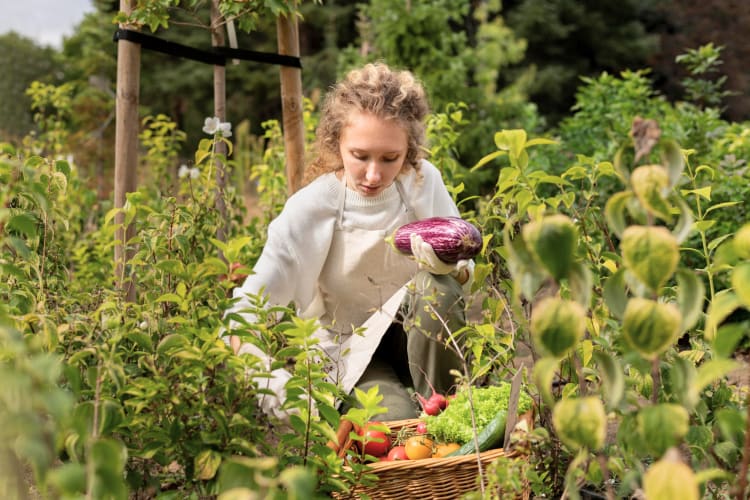
Use your senses of sight and touch to find the best summer produce.
- Tomatoes: Tomatoes should feel heavier than their size and have a deep, uniform color. When sniffing the stem, you'll find that ripe tomatoes have a fragrant, earthy aroma.
- Eggplant: Eggplants should have smooth and glossy skin when ripe. Toss those that look dull or wrinkled, as they're often overripe.
- Cucumbers & Peppers: Both options should feel firm to the touch, with no soft spots or shriveling.
- Corn: When ripe, corn ears should be plump and the husks bright green and slightly damp, rather than dried out. Kernels should also be tightly packed, rounded and full from top to bottom.
- Zucchini & Summer Squash: For a better flavor profile, stick to small- to medium-sized zucchini and summer squash. Oversized squashes usually become watery, woody and packed with large, bitter seeds.
How To Store Summer Vegetables
Here are a few insider tips to keep your summer vegetables tasting their best:
- Tomatoes: Store tomatoes at room temperature and away from direct sunlight. Refrigerating raw tomatoes can make them grainy and dull their flavor.
- Sweet Corn: Keep corn refrigerated in its husk and use it as quickly as possible. The moment corn is picked, its natural sugars rapidly begin converting into starch; eating it within a day or two ensures maximum sweetness.
- Cucumbers: Store cucumbers in the crisper drawer of your fridge. Wrap them loosely in a paper towel before putting them away to prevent them from getting slimy due to excess moisture.
- Fresh Basil: Fresh basil should be treated similarly to a bouquet of flowers. Snip the bottom of the stems and place the bunch upright in a glass of water on your kitchen counter. Don't put basil in the fridge because the cold air will cause the leaves to turn black and wilt.
- New Potatoes: Keep new potatoes in a cool, dark and well-ventilated spot like a pantry or a paper bag. Because they are harvested young with ultra-thin skins, they shouldn’t be exposed to light. Keeping them in the fridge can alter their starch content.
- Eggplant: Use eggplant within a few days of bringing it home. They're highly sensitive to temperature extremes and are best kept in a cool spot on the counter or loose in the refrigerator crisper drawer for no more than three to four days.
Summer Vegetables FAQs
What Vegetables Are In Season During Summer?
As mentioned throughout the article, the best seasonal summer vegetables include tomatoes, cucumbers, zucchini, summer squash, corn, eggplant, peppers, okra, green beans, carrots, beets, new potatoes, tomatillos and basil.
What Vegetables Grow Best In Hot Weather?
Similarly, the best hot weather vegetables include okra, peppers, eggplant, sweet potatoes, tomatoes, zucchini, summer squash and yardlong beans.
Are Tomatoes And Corn Vegetables?
Botanically, tomatoes are a fruit and corn is a grain, but both are commonly used as vegetables in cooking.
What Summer Vegetables Are Good For Salads?
The best summer vegetables for salads are those that add either a crisp texture or a sweet taste, like cucumbers, tomatoes, sweet corn, radishes, carrots, basil, fennel, green beans and peppers.
More Ways To Cook Summer Vegetables
Summer vegetables are at their best when they're treated simply. Grill zucchini, corn and eggplant for smoky summer side dishes, toss cucumbers and tomatoes into chilled salads or roast peppers and new potatoes for an easy seasonal dinner. If you want more hands-on guidance, cooking classes near you and online cooking classes can help you learn new ways to prepare seasonal produce. For a special summer dinner, private chefs near you can also build a menu around fresh, in-season vegetables.
As the warmer months fill our days with sunshine, it's only fitting that we enjoy the bounty of the season. Summer produce is refreshing, versatile and bursting with vibrant flavors.
With so many options at your fingertips, it's time to plan a trip to the market and taste for yourself how delicious summer vegetables can be.
For even more inspiration on how to cook with summer vegetables, check out other experiences happening on Cozymeal.