27 Top Food Trends for 2026

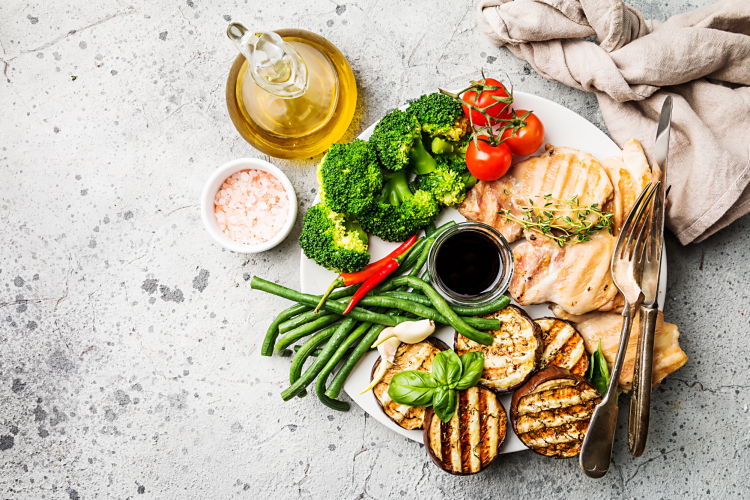
The ever-shifting patterns of what people love to eat make exploring food trends for 2026 a thrilling prospect. What might food trends for 2026 have in store for home cooking, popular ingredients, beloved beverages and beyond?
Thanks to imaginative culinary leanings and a sense of food-based fun, there’s no shortage of tempting tastes and intriguing elements to try in the new year.
Will healthful, comforting ingredients dominate the menu of new food trends in 2026? Or will indulgent delights and exotic flavors become the specials of the day? Luckily for us all, it’s a little of both! Dig into the list below and see what food trends await you in 2026.
- Innovative Dining and Internationally-Inspired Flavors
- Lifestyle and Cost of Living
- Technology and Generational Shifts
- Plant and Planet
- Food for Mind and Body
- Rustic and Rural
Innovative Dining and Internationally-Inspired Flavors
1. Global Flavors and Fusion Cuisine
The popularity of globally-inspired and fusion cuisine will continue to be seen as a food trend in 2026. This will see an increasing number of consumers looking for ways to expand their culinary horizons and blend new and unique flavors with more familiar ones.
From a growth in the number of Korean BBQ and hot pot eateries to a continued obsession with sweets from far and wide (think viral hits like Swedish and Korean candy, mochi ice cream, bubble tea and the like), this food trend offers something for all cravings.
Fusion vs. Cultural Authenticity
Interestingly, while fusion cuisine continues to be popular, there is also a growing interest in cultural authenticity. Consumers want to try dishes in their most authentic form and will prioritize products, recipes and restaurants that achieve that.
Where fusion cuisine does exist, it needs to be purposeful and have a story connected to it, for example, a chef combining their Italian and Vietnamese heritage, instead of being fusion for the sake of it and to simply hop on a food trend.
We Recommend
- Explore a different world cuisine; from classic French food to street foods from Bangkok, there’s a host of options that allow you to expand your cultural knowledge and flavor repertoire.
- Switch out your regular grocery store ice cream for a treat from one of the best mochi ice cream brands.
- Expand your horizons by discovering a new boba flavor.
- If you want to learn to make the best fusion meals or authentic international dishes, local chefs can help you achieve just that. From cooking classes in St. Louis to Denver, there’s an array of options across the U.S. and beyond.

2. International Beverages
Spirit fans will have something new to enjoy in 2026 with a continued increase in the presence of international beverages on the food and drink scene.
Sake is one of the most prominent beverages in the space. This trend can be seen in various forms, including more sake options being offered in bars, restaurants and liquor stores. There will also be an increase in sake-based cocktails and sake tastings in higher-end bars and eateries.
This beverage trend is unlikely to slow down, either. According to Expert Market Research, the Japanese sake market is expected to grow at a compound annual growth rate of 4.9% between 2026 and 2035 to reach a market value of USD 14.59 billion by 2035.
Other Trending Alcoholic Sips
Sake isn’t the only Japanese beverage you might be seeing more of in 2026. The Japanese whiskey market is set to continue expanding through to at least 2028, according to Technavio.
So if sake isn’t your thing, there’s a good chance a great selection of Japanese whiskey will also be available near you this year!
Other spirits to watch out for if you want to make the most of this food and drink trend in 2026 include sotol, a Mexican distilled spirit made from the dasylirion plant, and soju, a Korean spirit often flavored with fruits.
Non-Alcoholic Internationally-Inspired Beverages
Don’t drink alcohol? Don’t worry, you can still take advantage of this food trend in 2026.
Beverages flavored with matcha have been highly in demand for a while now, even causing global shortages. Those who love the flavor will be pleased to learn that matcha will continue to be trending into 2026 and beyond.
Other internationally-inspired beverages that you may see more of on menus include Vietnamese coffee and karak chai, a creamy, spiced milk tea.
We Recommend
- Amp up the fun at your next event by serving sake bombs.
- Turn this beverage trend into a food trend by incorporating sake into savory recipes like flavorful sake salmon.
- Find the best matcha green tea powder for your beverages and bakes with our in-depth buyer guide.
3. Spicy and Swicy Flavors
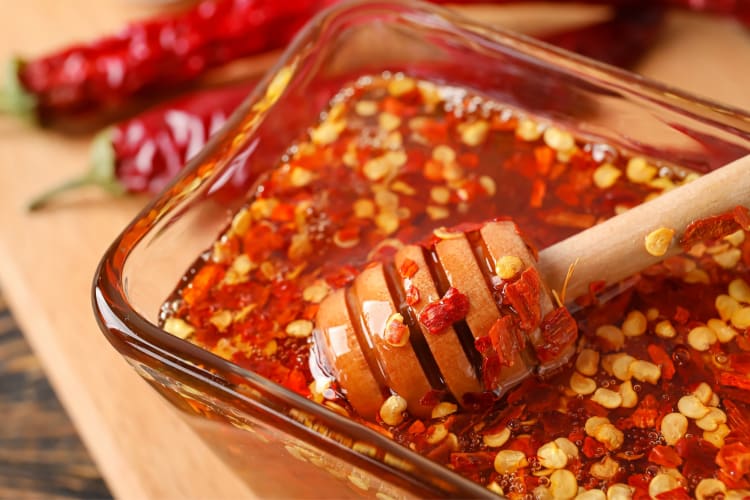
If you’ve eaten out or ordered in lately, you’ve likely seen a dish served with hot honey. This condiment has taken the culinary world by storm, and the popularity of very spicy and spicy-sweet (or swicy) dishes is set to continue as a food trend for 2026.
The viral spread of extreme hot wing and hot noodle eating challenges, along with the growing demand for spicy noodles like Buldak instant noodles, are more indicators of the popularity of this food trend.
You will likely start seeing more of these hot products on grocery store shelves as well. Along with more types of hot sauce and spicy chips becoming available, don’t be surprised to see adventurous, flaming hot flavors expand to snacks that aren't usually spicy, such as Ritz's new hot honey crackers.
Inspired by the chiles of the world, you’ll also want to look out for dishes using the Caribbean’s habanero and Thailand’s prik kee nu chile, among other varieties. Gochujang is also a trending ingredient for 2026 and will be seen in a range of classic and fusion applications.
We Recommend
- Taste your way through the many Buldak ramen flavors, working up to super hot 2x Spicy!
- Add a hit of heat to classic drinks and dishes. Some of our favorites include spicy hummus and spicy margaritas. Or, go swicy with hot honey chicken.
- If you want to crank up the heat in your own recipe rotation, connect with a local chef to learn how to create delicious spicy or swicy recipes. From cooking classes in Napa or NYC to cooking classes in Vancouver or Toronto, there’s guaranteed to be a chef near you to help you take advantage of this top food trend.
4. Experiential Dining and Personalization
One of the most exciting restaurant food trends of the year is the explosion of experiential dining, along with a focus on sensory elements and hyper-personalization of experiences. With many consumers scaling back somewhat on dining out, restaurants must go the extra mile to stand out in a crowded market and effectively compete for more limited and carefully spent dollars.
Experiential dining ranges from a resurgence in popularity of hibachi chains, where food is theatrically prepared in front of you, to experiences that incorporate technology and explain the process of food getting to your plate; something Le Petit Chef has been leading the way in across the globe.
Gen Z
While all generations are calling for this food trend on some level, Gen Z is notably interested in increased dining customization and having one-of-a-kind experiences.
As explained further by QSR Magazine, this consumer base has grown up with a high level of personalization. A one-size-fits-all approach can even cause anxiety among this group.
Therefore, when looking at Gen Z food trends for 2026, ensuring a range of options are available with the ability to customize for health goals, dietary preferences or just uniqueness is paramount.
Quick Service Restaurants
These types of trends extend to the quick-service industry as well. In fact, Kadence International reports that as many as 72% of fast food customers would choose a restaurant with the option to personalize orders. Additionally, about a third of consumers completely avoid quick-service restaurants that don't offer any type of personalization.
Consumer Fatigue
While this type of food trend is exciting and allows for lots of innovation, always keep consumer fatigue in mind when incorporating experiential and customized dining into your brand.
Too many choices and too much novelty can overwhelm and even alienate customers. Providing a good balance of innovation, creativity and familiarity is crucial for most brands looking to hop on this food trend.
We Recommend
- Bring experiential dining to your next event with hibachi catering near you. Whether you’re planning a large family gathering or are looking for out-of-the-box anniversary date ideas, an interactive hibachi dinner is sure to impress!
- You can further personalize your fast food order with the help of secret menus. From customized coffee creations on the Starbucks or 7 Brew secret menu to innovative burger combos on the In-N-Out secret menu, there are many ways to update your favorite dishes if you know how.
- Explore your city or one you’re visiting to discover the best eateries on a food tour. Whether opting for food tours in NYC, Las Vegas, Chicago or beyond, these interactive foodie experiences allow you to see local culinary scenes in a different light.
Lifestyle and Cost of Living
5. Convenience Changing Culinary Consumption
The need for convenience in all aspects of life, especially dining, is a continuing trend in 2026 due to increasingly busy lifestyles. Even though many consumers are looking to cut back on spending, value is placed on convenience, with many willing to spend slightly more to save time.
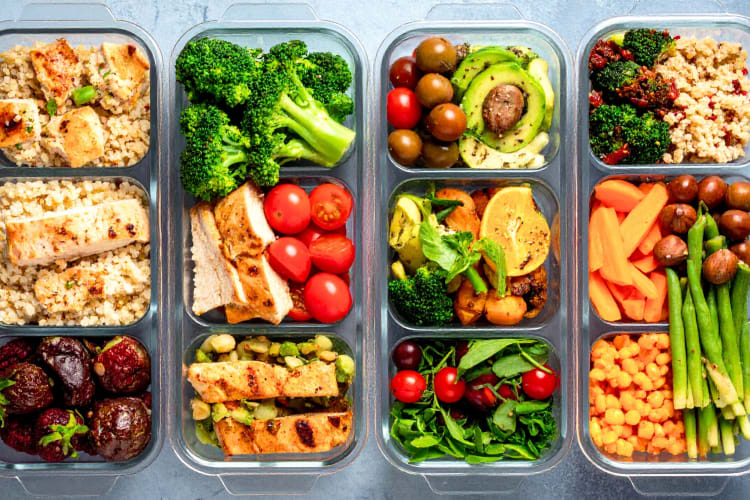
Even when homecooking, consumers are opting for convenient shortcuts, such as using pre-made pasta sauce, opting for canned or frozen vegetables they can have on hand at all times, and meal-prepping to have affordable meals ready to grab throughout the week.
When looking at frozen ingredients alone, the National Frozen & Refrigerated Foods Association highlights that 83% of surveyed shoppers say that frozen foods make meal planning easier.
Meal kits and ready-to-eat or heat meals are also rising in popularity, and these meals are getting a major makeover in terms of ingredient quality and taste. The kinds of dishes being offered are also expanding, with various cuisines and dietary needs now covered.
Healthy Convenience Food
The healthiness of these meals is also crucial to many consumers. Finding ready-to-eat and frozen meals that are as nutritionally balanced as possible is a non-negotiable for many, instead of a nice-to-have.
We Recommend
- Convenience food doesn’t have to be unhealthy; check out our guides to the healthiest frozen meals and healthiest frozen pizzas to discover some delicious convenience food that doesn’t derail your diet.
- Get tasty dishes delivered straight to your door thanks to our picks of the best meal delivery services.
- Find some great frozen products with our helpful buying guides:
6. Cost of Living-Based Dietary Alterations
There’s no denying that the cost of living has altered the way the average shopper eats. Whether by pushing restaurant fans in the direction of home dining or forcing shoppers to trim their grocery lists.
Following on from that, grocery prices will notably continue to drive eating habits, with many already switching to the cheapest grocery stores to keep food costs down. Fluctuating costs of eggs, meat and other kitchen staples could also create a general reduction in portion size of the most expensive products.
Food Product Substitutions
In addition, consumers will have the chance to expand their culinary repertoire while searching for substitutes for products that no longer fit into their budget.
Whether using a lower-cost alternative to ever-costly olive oil or trying affordable tofu in place of continually higher-priced meat, budget squeezes can see consumers’ ingredient and recipe repertoires expand outside what they are used to.
Lower Levels of Brand Loyalty
Branded products may also take a back seat to more affordable store-brand versions. As Zeta Global Corp. explains, economic pressures and searching for the best deal are some of the primary drivers behind consumers becoming less loyal to brands in general.
Concerningly for big-name brands, once consumers switch to store-brand or other more affordable products, they don’t often go back, even if their budgets increase.
We Recommend
- Discover alternatives for ingredients fluctuating in price, such as common olive oil substitutes.
- Learn to create delicious meals with affordable proteins. Start with a tasty lentil chili or General Tso tofu recipe.
7. Small Indulgences and Treat Culture
While many are cutting back on spending, there has also been a rise in treat purchases and small indulgences, which allow consumers to enjoy a slice of luxury without breaking the bank. While this food trend also extends into other buying categories like skincare and books, it’s highly prominent in the food and beverage sector, as further explained by Circana’s research on the topic.
From purchasing food products with notes of classically expensive ingredients like truffle to splurging on an artisanal coffee, matcha and baked goods, mid-priced (often between $8 and $20 per product) food and drink items fit perfectly into treat culture.
According to a Bank of America study, Gen Z is leading the way with this trend, with approximately 57% of Gen Z consumers buying themselves a small treat at least once a week. However, other generations are also increasingly indulging in small treats. As the previously quoted research by Circana explains, around 44% of all Americans purchase little treats weekly.
Brands and Aspirational Luxury
Many brands, including high-end brands, are also noticing this food and beverage trend and are repositioning products as treats to splurge on. Some are even creating lower-priced lines to cash in on the trend and let consumers who are cutting back in most other places have a small taste of a more luxurious way of living.
Making Home Dining More Luxurious
As covered already in this guide to food trends for 2026, many are cooking at home more as a way to reduce costs, especially as a replacement for dining at restaurants. However, this doesn’t mean cutting down in all areas.
Shoppers are adding small restaurant-quality touches to their home-cooked meals, such as spending a little more than usual on a nicer bottle of wine or buying artisan bread to pair with their meal.
We Recommend
- Find the perfect place to splurge on high-quality small treats with our guide to the most expensive grocery stores.
- Discover what’s worth the spend and what can be skipped at the ultimate treat-based grocery store, Erewhon.
- From caviar and truffles to premium balsamic vinegar, uncover the most luxurious, expensive foods that can elevate your home-cooked meal.

Technology and Generational Shifts
8. Social Media and AI Food Trends
Tech and social media will be influencing the way people eat more than ever in 2026. In terms of social media, platforms like Instagram and TikTok are increasingly used to discover recipe ideas, get grocery shopping suggestions and find out about new product launches.
From accounts sharing recipes for various diets to those focused on the best products at budget-friendly stores, this food trend merges with other 2026 food and beverage trends, such as budget shopping, clean eating and even small indulgences.
YouTube remains popular as well for things like recipe how-tos and more in-depth food and beverage review videos.
Viral Food and Restaurant Trends
As Food Navigator explains, TikTok alone is a “launchpad for food and beverage trends,” with brands needing to stay on top of these viral food trends and create products connected to them to stay relevant. Many of these TikTok food trends become so popular that they are connected to shortages, such as the previously discussed matcha shortage and the TikTok cucumber shortage.
It’s also estimated that around three-quarters of Gen Z rely on social media for meal inspiration, with Millennials not being far behind. Furthermore, a survey conducted by marketing agency MGH suggests that around 38% of all TikTok users have ordered food from or visited a restaurant they saw on the social media platform.
AI Food Trends
AI has also been playing a part, with many using the tool for recipe suggestions based on what they have in the house. Certain prompts can also help consumers reduce their grocery spend and even find coupons.
We Recommend
- Test the waters with trending TikTok foods by incorporating viral flavors like pistachio into your recipes. Great options include pistachio lattes and pistachio cream.
- Try a fusion recipe that features a few trending foods, like smash burger tacos with extra pickles.
9. Swedish Candy
Food trends introducing the tradition of Swedish candy into the mainstream are on the cusp of breaking even bigger in 2026. Brands like Bubs, Sweetish Candy and BonBon are helping these European treasures break through the American market, with social media being a major driving force in their popularity.
The most notable differences are the textures and quality of these Nordic novelties, features that may spoil U.S. consumers for domestic candy producers. Demand has become so great already that there are wait times for receiving orders, as documented by TikTok users who share their discoveries and challenges around trying to grab viral Swedish treats.
With such fervor for foreign sweets and treats ramping up, expect to hear more buzz about Swedish sugar in the year ahead. And don’t be surprised to find other providers stepping up to help push these current food trends for fun and profit.
10. Alcohol-Free Alternatives
One of the most exciting beverage trends of 2026 is the continued expansion of the zero-proof spirits movement. These clever little drinks deliver all the flavor with none of the alcohol, making them a perfect replacement for those who want less of a buzz without giving up more grown-up-style sips.
As Forbes highlights, many Gen Z and younger Millennial consumers are drinking less alcohol than older generations. In its place are drinks that are just as delicious and innovative, but the focus is on the experience of socializing together rather than getting tipsy.
What's great about this drink trend is that zero-proof spirits are available in various flavors that mimic their alcohol-based counterparts, such as juniper botanicals for a gin spirit and smoky, wood-aged versions to taste like whiskey. And they blend easily with your favorite mixers to become more recognizable versions of familiar cocktails.
As zero-proof alcohols are technically the healthiest alcohol to drink, opting for these types of beverages is also a top health trend for the upcoming years.
We Recommend
- Mix up alcohol-free drinks that will make you forget all about the real thing at a non-alcoholic online mixology class, like a zero-proof mood-boosting mocktails class.
11. Retro Food and Drinks
Consumers are increasingly looking for comfort and nostalgia in their food, including in the new year. This food trend is leading to a retro revival with childhood favorites and old-fashioned flavors that remind us of simpler times, and we are here for it!
Whether you’re stocking up on your favorite Jell-O flavors from childhood, serving shrimp cocktail at your next event or baking nostalgic treats like Black Forest gâteau, this fun food trend for 2026 is all about treating yourself to your favorite flavors, no matter how long ago they were last trendy.
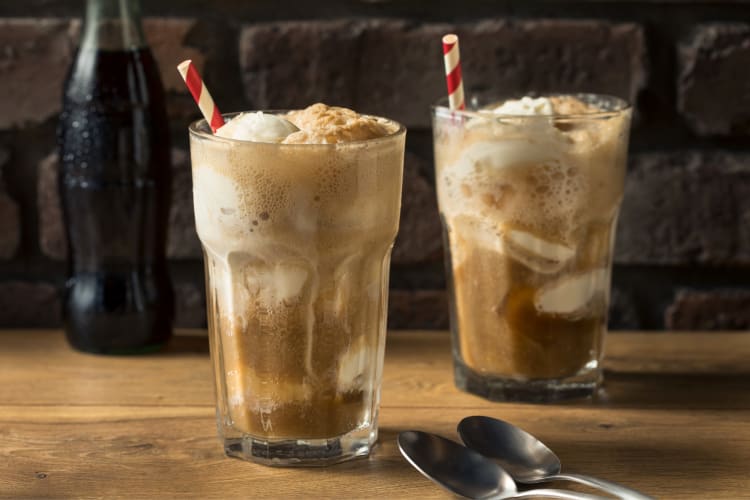
Drinks are also taking a trip back in time as a food trend for 2026. Beverages with candy fruit flavors like cherry, green apple and watermelon will bring a sense of carefree summer days, while sips you haven’t had in decades, like cream soda and root beer floats, will have you feeling like a big kid in no time.
We Recommend
- Discover the best fast food milkshakes to indulge your inner child without breaking the bank.
- Make nostalgic dirt pudding cups, complete with classic gummy worms.
Plant and Planet
12. Culinary Upcycling
This environmentally conscious food trend involves cooking with trimmings, food scraps and other parts of fruits and vegetables that typically get tossed out (but don't need to be!)
Culinary upcycling offers a great way to familiarize yourself with recipes that help fight food waste. But this food trend can also expand your palate, allowing you to take advantage of the variety of flavors, nutrients and textures you usually miss out on with conventional food prep techniques.
Businesses Fighting Food Waste
You could also investigate businesses that are doing their bit for the planet by using fruit and vegetables that are deemed overripe or “the wrong shape” for stores. These businesses include Barnana for tasty and healthy snacks and Hungry Harvest for waste-free produce delivery.
Another great option for those who want something a little more conventional is Too Good To Go. This brand connects consumers with local businesses that have leftover product at the end of the day, offering the likes of takeout food and grocery products for discounted prices in mystery bundle-style bags.
We Recommend
- Find your local CSA (Community Supported Agriculture) to take part in deliveries of locally grown farm products that can’t otherwise be sold on a subscription basis.
13. Climate-Conscious Foods
Sustainability will continue as an element of many food trends in 2026, just as it was a key food trend of the past few years. The availability of ingredients farmed responsibly with lower-impact growing methods will expand the movement in important ways.
Leading the charge: grains and other crops grown with concern for soil health, creating an easier environment for continued cultivation.
Interest in sustainably produced, whole-foods meat alternatives will also continue into the new year, highlighting a desire for mindful ingredient options. Learning to prepare these foods may be an adjustment, but once you get started, you'll find the options are abundant.
Sustainability and Affordability
While cost-of-living concerns may turn people away from this food trend at first, many will soon discover that some of the most affordable foods are also some of the best for the planet.
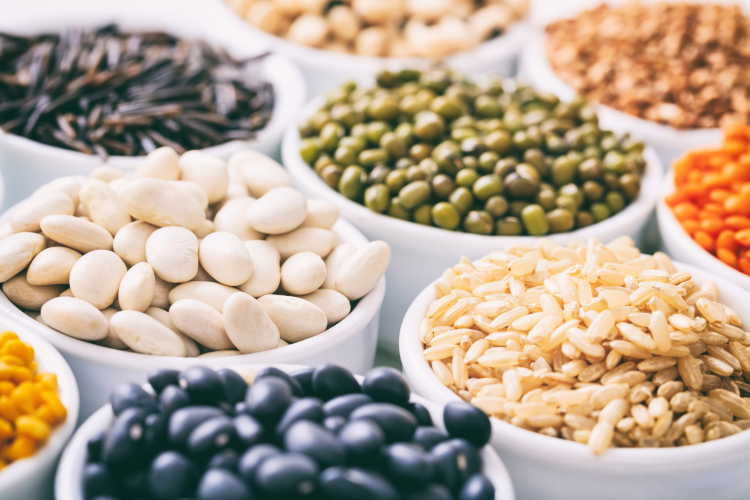
Beans, lentils and grains all rank well in terms of sustainability and affordability. Conveniently, they are also some of the healthiest ingredients to incorporate into your meals.
Climate Transparency
Part of this food trend for 2026 also relates to the labeling of products. Many consumers want to eat more sustainably, but aren’t sure how. This is in part due to labeling not being transparent in regards to how sustainable a product is.
A survey conducted by Strong Roots and shared via European Supermarket Magazine shows that 52% of shoppers are more likely to purchase food products with transparent climate footprint information. Additionally, 46% of Millennial and Gen Z consumers would opt for a product with clear climate labeling over their favorite brands.
So, if you sell climate-conscious food products, you’ll want to ensure this is very clear on your labeling to make your products stand out and ultimately be purchased.
We Recommend
- Incorporate more climate-friendly beans into your meals with recipes like white bean and kale soup or vegan burrito bowls.
- Learn more about how to reduce your food carbon footprint with this BBC Science and Environment guide.
14. Vegetables as the Star
Vegans and vegetarians already know the power of vegetables and fungi. And, thanks to food trends for the new year, a greater number of diners will discover a delicious range of vegetable and mushroom-based dishes.
Instead of using plant ingredients in ways that mimic meat products, such as burgers, this specific food trend for 2026 sees vegetables shine in their element. Although you may see dishes like steak made from lion’s mane mushroom, you’ll also find dishes with seasonal vegetables simply being elevated to something you’d never think a vegetable could be.
Michelin-star eateries like Plates in London, U.K., are leading this food trend, but you’ll also see vegetables as primary ingredients at mid-range and fast casual chains.
Of course, this recent food trend can also make its way into your own kitchen, where you can experiment with seasonal vegetables, fresh mushrooms and legumes, presenting them as the centerpiece instead of a side.
We Recommend
- Whip up some recipes with mushrooms in place of meat, such as portobello mushroom sandwiches or mushroom tacos.
- Take somewhat bland cauliflower and turn it into a delectable main with this recipe for grilled cauliflower steaks with a flavorful chermoula sauce.
15. Reducetarian Eating
As noted by Cambridge University Press, excessive meat consumption, especially red and processed meats, has damaging effects on our health and the environment. Limiting your consumption of animal-based foods is at the heart of the reducetarian movement.
Many are also reducing fish consumption due to the negative impacts of overfishing. Concerns about seafood potentially containing high levels of mercury and microplastics are also turning consumers away from these products and accelerating the reducetarian trend in food consumption.
However, rather than going fully vegan or vegetarian, this food trend for 2026 embraces thoughtful moderation. It’s a great transition for mindful diners working toward a more environmentally conscious way of eating.
For example, reducetarian eaters may remove animal products from one meal a day or avoid animal-based ingredients on weekdays. With incredible alternative meal options available in both ready-to-eat and easy-to-cook forms, shifting away from animal products will be an easier, more delicious decision to make.
We Recommend
- If you need some plant-based additions to your grocery list, check out our favorite Trader Joe’s vegan products, including snacks, ready-to-eat meals and desserts.
- Try this Korean tofu soup (soondubu jjigae) for an easy 30-minute, meat-free meal.

16. Milk Alternatives
There’s no stopping the surge of milk alternatives hitting the market, and food trends for the coming year will see further growth and expansion into new sectors. From those with dietary restrictions to consumers looking for more sustainable milks, the alternative milk market has never been more popular and is set to reach an estimated market worth of 43.6 billion by 2028, according to MarketsandMarkets.
Beyond the usual cartons and bottles already flooding the market, including popular options like oat, almond and soy, new varieties of plant-based milk will take up space in 2026. Intriguing additions like banana, macadamia and even potato milks will take modern beverage and food trends into unique and tasty territory.
This food trend won’t only be seen on supermarket shelves, though. While coffee shops have previously added a surcharge for oat, almond or soy milk in place of dairy, many establishments (including Starbucks at the end of 2024) are forgoing the extra charge to keep the alternative milk customer base coming back for refills.
We Recommend
- Discover the healthiest oat milk or the best almond milk with our helpful shopping guides.
- Make your order tastier by getting one of the most popular dairy-free options at Starbucks.
Food for Mind and Body
17. Mindful Eating
Mindful eating or conscious eating is a practice linked to mindfulness and intuitive eating. Eating mindfully means being fully present and aware of the whole experience of consuming food by paying attention to the emotional and physical senses involved.
The approach involves being fully immersed in the experience, from thinking about where the food comes from before you start eating, to appreciating the smell, texture, flavors and presentation of the food when eaten. Harvard Health’s The Nutrition Source explains that mindful eating also involves eating modest portions, chewing food thoroughly and recognizing when you are eating for reasons other than true hunger, such as due to boredom.
Interestingly, mindful eating can play into other food trends such as experiential dining, which highlights flavors, textures and the like as part of the experience. Sustainable food trends like urban farming and purchasing seasonal produce are also important in understanding where your food is coming from.
Overall, eating in this way can help people better connect with their bodies by recognizing when they’re full, helping to minimize the chance of overeating, while also fully valuing their food. With a move from the quick and indulgent Girl Dinner to a more minimalist way of consuming, the desire to live and eat in a mindful way is set to be a major lifestyle and food trend well into 2026.
We Recommend
- Learn more about ingredients that may improve health and lifestyle, for example, by reading our guide about foods that relieve stress.
- Unwind after a long day with some of the best teas for sleep.
- Pair mindful eating with a more relaxed way of living by participating in some self-care activities.
18. Functional Food and Drink
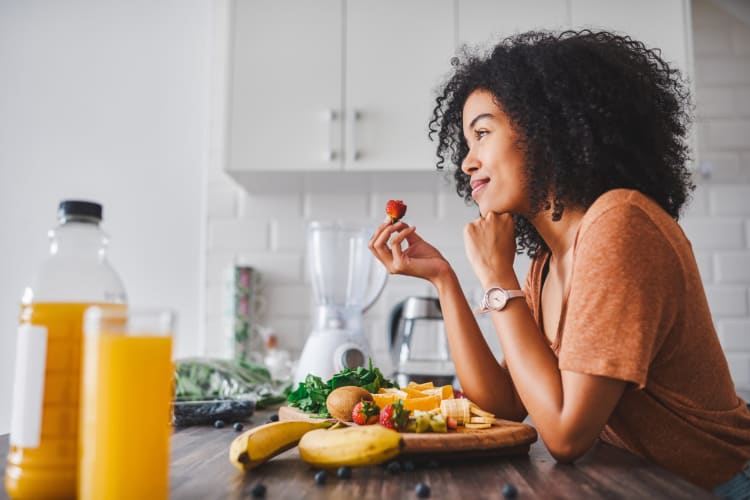
Another of the current trends in the food and beverage industry that will continue into 2026 is functional food and drinks. This involves products that are enriched with functional nutrients and offer, or purport to offer, health benefits, such as improving gut health and helping with focus or sleep.
Not only are entire brands centered around the functional food and beverage trend appearing, but existing brands are also adding new product lines and reformulating existing products to get in on the food trend. For example, you may see some products you buy regularly being fortified with increased amounts of protein, fiber or vitamins.
Already well-known products in this category, like kombucha (which has probiotics) and coconut water (offering natural hydration with electrolytes), are seeing a resurgence in popularity as well.
Newer options, such as probiotic or CBD sodas and beverages enhanced with lion’s mane mushroom or collagen, are also hitting the market to meet the demand for functional food and drink.
Customizable Functional Food and Drink
Pairing up with the personalization-based food and drink trend we discussed earlier, many brands are offering functional add-ons for customers to choose from.
These include salad bowl spots offering nutrient-packed topping mixes and smoothie and coffee chains allowing consumers to add functional extras to their beverage, such as lion’s mane powder, protein powder and pre-mixed nutritional enhancers.
We Recommend
- Sign up for a health-boosting mocktails class with Chef Angela-Michelle.
- Keep it natural with a refreshing glass of the best coconut water.
- Find your favorite prebiotic soda by consulting our guides to the best Olipop flavors and delicious Poppi flavors.
19. Eating for Illness Prevention
Another diet-based food trend for 2026 is eating to prevent illness. While this is technically a food trend, it doesn’t involve anything new.
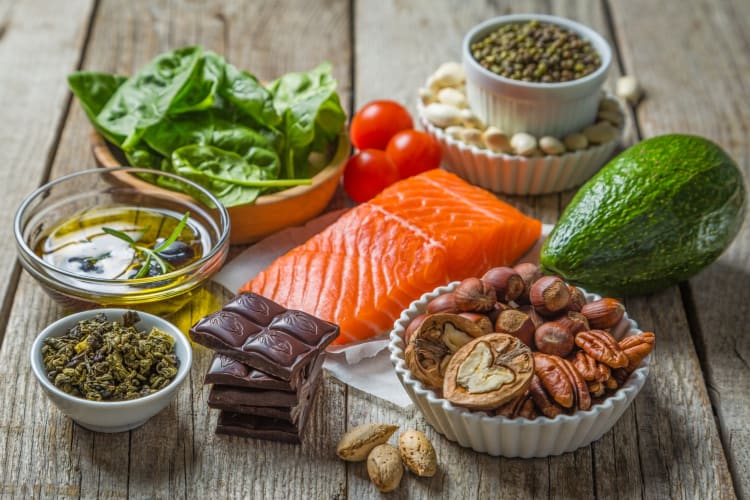
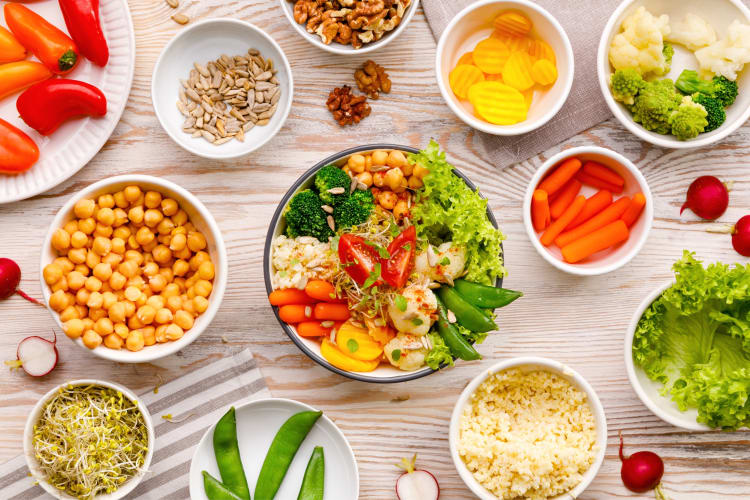
Instead, this way of eating simply sees people consuming a healthy, balanced diet with lots of nutrient-rich “superfoods” like fruits, vegetables, nuts, grains and lean proteins.
But how does this relate to preventing illness? Well, studies, such as those shared by the National Heart, Lung and Blood Institute, show that people who eat at least five portions of vegetables and fruit daily have a lower risk of developing respiratory disease, cardiovascular disease and certain cancers.
Additionally, limiting foods high in saturated fat, salt and sugar can help prevent diseases like Type 2 diabetes, along with conditions such as high blood pressure and cholesterol.
It is also important to make sure you are getting all the vitamins and minerals your body needs to prevent illness. For example, most people should get all the calcium they require from dairy products, but if you are dairy-free, it is a good idea to opt for calcium-enriched food and drinks to help reduce the risk of osteoporosis.
No matter what types of illness you’re looking to prevent, from the common cold to more serious diseases, eating for health and wellness is a food trend in 2026 that’s well worth exploring.
We Recommend
- Start your day with some superfoods by whipping up a chia seed smoothie.
- Fruits, vegetables, nuts and Greek yogurt all rank among the top foods for a balanced diet, but which varieties are healthiest? Find out with our helpful guides:
20. Clean Label Simplicity
Products sporting clean labels with fewer ingredients will also dominate as a food and drink trend in 2026. Due to this, many food and beverage brands, including unhealthier brands, will be doing away with artificial colors, flavors and sweeteners.
One standout example is PepsiCo, which has recently released lines of Cheetos and Doritos made with no artificial flavors or dyes. In addition, Innova Market Insights highlights that 30% of global food and beverage product launches in the last year or so have featured clean label claims.
This trend will affect soft drinks like sodas in a big way as well. Vitamin-fortified and naturally sweetened versions of classic offerings will be rolled out in the new year, often with formulas that also hop on the previously discussed functional food trend.
We Recommend
- Sip on some of the healthiest sodas next time you want a treat without an excess of added sugar and artificial flavors.
- Find the best natural peanut butters featuring minimal ingredients with our grocery shopping guide.
21. Eating To Improve Gut Health
The microbes in the gut play an important role in keeping our bodies healthy. In fact, a healthy gut microbiome may help with a range of health issues, including reducing the risk of heart disease and diabetes, as explained by the University of Alberta.
Much of the general public is now beginning to take note of this health-based food trend. Starting in the last few years and continuing into 2026, gut health has been a major dietary topic of discussion. People have been taking various measures to improve gut health, from adding supplements to their routine to initiating diet changes to improve their gut microbiome.
To eat better for gut health, try to have at least 30 different plant-based foods a week. An easy way to increase the amount of plant foods in your diet is to switch up your snacks. For example, swap potato chips for plain popcorn or vegetable sticks and swap candy for fresh or dried fruit.
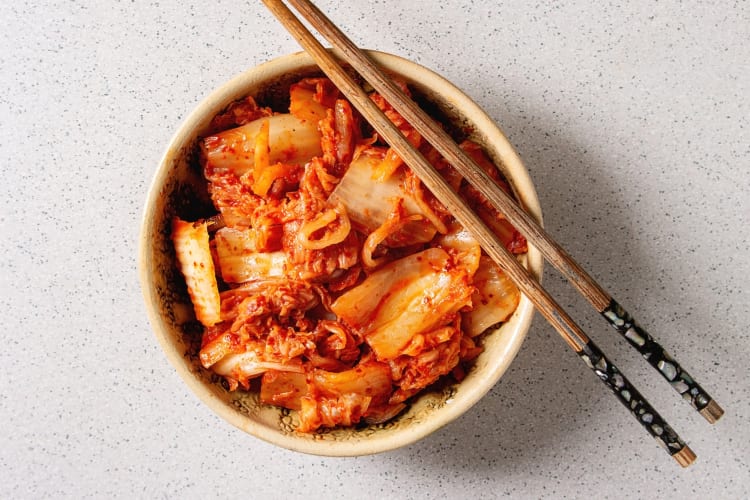
Another way to improve your gut health is to eat a good mix of prebiotic and probiotic foods. Probiotic foods include healthy drinks like kefir and kombucha, as well as fermented foods such as sauerkraut and kimchi. Prebiotic foods include everyday ingredients, such as oats, apples and avocado.
All of these types of foods may help to improve digestive health, which leads to a healthier gut. The desire to improve gut health also plays into the dietary-based food trend of fiber-maxxing, which we cover later in this guide.
We Recommend
- Try a tasty, probiotic-rich drink; for example, by switching out your normal beverages for some of the best kombucha.
- Discover the top kimchi brands to add extra flavor and probiotics to your meals.
- Stock up on the best probiotic yogurt for a healthy breakfast or snack.
22. Protein Power
It’s unlikely that this is the first time you’re hearing about the prevalence of high-protein products. But you may be interested to learn that this food trend likely isn’t going anywhere for 2026.
While some data suggest this food trend will be somewhat quieter in 2026 than in the last few years, this is more related to a desire to balance nutrients (for example, by adding more fiber to diets as discussed below) instead of consumers completely turning away from high-protein foods.
You will continue to see products that are not usually high in protein hit the shelves in 2026 as well. Recent examples include Starbucks’ protein cold foams and lattes and protein-packed cereals, muffins and ice cream. However, more and more consumers will be prioritizing natural protein sources over treat-based versions for optimal health outcomes.
We Recommend
- Give your first meal of the day a boost with these high-protein breakfast ideas.
- Pack some extra protein into your small meals by grabbing some of these high-protein snacks.
- Keep it classic and shop for the healthiest protein bars.
- Check out our guides to protein-packed treat foods, like:
23. Fiber-Maxxing
Protein isn’t the only nutrient in the spotlight in 2026; the importance of fiber consumption is also leading food trends in 2026. Named fiber-maxxing, this healthy food trend involves incorporating more fiber-heavy products into meal plans.
While products in stores have not yet seen a major increase in fiber or prominent “high-fiber” labeling, as has happened with protein, this will likely start to be seen through 2026 and into 2027. In the meantime, consumers are adding high-fiber foods like prunes, chia and chickpeas to their diets to boost daily intake.
This 2026 food trend has been driven by an increased knowledge about gut health and the general health benefits of fiber. As most Americans only consume around 15 grams of fiber a day, as explained by Harvard’s The Nutrition Source (the recommended daily amount is 25 to 35 grams), fiber-maxxing is more than a trend; it’s also incredibly important to the health of many.
Overconsumption Concerns
As with the protein food trend, it’s crucial to keep fiber intake somewhat in check, as consuming too much can cause issues. Some influencers suggest eating 50 to 100 grams of fiber per day, which can cause digestive problems, especially for those who scale up too quickly.
Gradually increasing fiber intake to around 30 or 35 grams a day is recommended if you want to jump on this healthy food trend. Those who consume very high amounts of protein may want to add a little extra, aiming for closer to 40 grams per day.
We Recommend
- Add a little extra fiber to your sweet treats by whipping up some indulgent chickpea cookie dough or sweet potato pancakes.
- Make chickpea coconut curry for dinner, packed with flavor and 21.3 grams of fiber per serving.
Rustic and Rural
24. Eating the Seasons
Seasonal eating is already popular among high-end restaurants where farm-to-table rules the menu and selections change from week to week. While seasonal eating has somewhat made its way into the general market already, this food trend is set to become even more popular among individual consumers in 2026 and beyond.
Farmers markets with in-season goods and produce subscription boxes will provide regional specialties at the peak of freshness, often grown under organic and planet-friendly conditions. A move to growing food at home and making the most of nearby U-Pick offerings will play into the overall food trend as well.
The tariffs that are currently imposed on many grocery products are driving this food trend as well, as explained by SmartBrief. The fact that locally-grown, seasonal produce is always exempt from tariffs adds extra appeal, allowing consumers to get fresh fruits and vegetables, among other products, while supporting local businesses and paying less than they would for out-of-season, imported products. Even with some of these tariffs being rolled back for now, the appeal of eating locally produced foods remains.
We Recommend
- Consult our guides on spring recipes, summer vegetables and fall produce to see what seasonal items you can be cooking up.
- Make the most of peaches when in season with these tasty peach recipes.
25. Urban Farm Produce
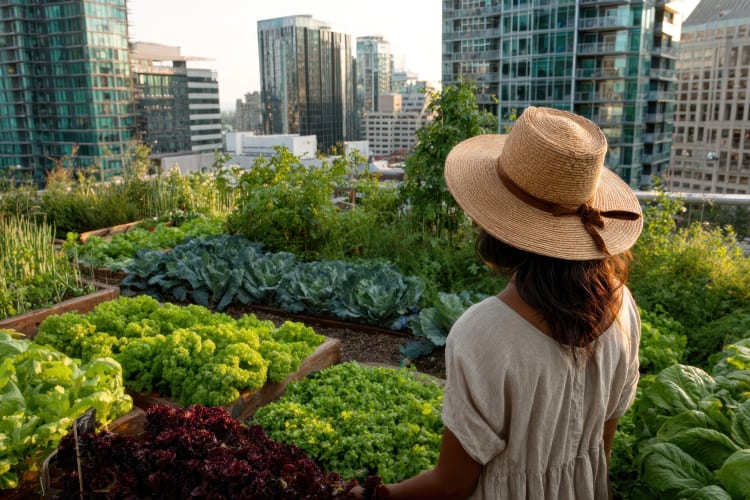
Addressing the issues of urban food deserts and rising grocery costs, growing ultra-urban farm produce is a food trend in 2026 that will bring fresh food to places where it’s needed the most. With options for local community gardens, kitchen crops and home-based hydroponics, there’s a world of novel growing methods to be explored with this sustainable food trend.
From growing food in your backyard or a local allotment to putting pots of produce on a rooftop, balcony or even your windowsill, every option provides critical access to healthy and affordable ingredients grown in responsible ways.
Large-Scale Investment
This food trend for 2026 is so important in urban areas that some city and state governments are creating budgets for the cause.
For example, as reported in a New York State Department of Agriculture and Markets press release, $2.5 million has been made available through the New York State Urban Farms and Community Gardens Grant Program to “strengthen [the] food supply chain, increase access to fresh local food, and support urban farms.”
We Recommend
- Try your hand at growing your own food with a herb garden kitchen, from mint and cilantro to Thai basil and culantro, many flavorful herbs will thrive even in the smallest apartments.
- Once you’ve got your harvest, there are numerous cooking classes near you to help you learn to create salads, sides and vegetable-forward dishes that sing with fresh flavor and goodness. There are also online cooking classes that allow you to boost your culinary skill set from the comfort of your own kitchen.
26. Berry Picking
Finding food where it grows adds a touch of wild mystique to the latest food trends. One of the most popular categories in this trend is berry picking.
From safe (ideally with an expert guide) berry picking in natural spaces to days out at U-Pick farms, gathering the ripest and juiciest berries will prove a popular foodie hobby in 2026.
In fact, McCormick has named blackcurrant the flavor of the year for 2026, signaling how powerful berry flavors will be throughout the new year.
A desire for hyper-local freshness has also driven the popularity of activities like berry picking to an all-time high. Notably, the focus on locally produced food and overall sustainability gives environmentally conscious eaters a chance to put their principles into practice with this interesting food trend.
Berry Picking Safety
Remember that there are both benefits and risks associated with foraging, which includes berry picking outside of U-Pick spaces. Therefore, you should always take care when harvesting and consult a knowledgeable guide to ensure you are only eating things that are safe for you. If ever unsure, always avoid consuming berries found in nature.
We Recommend
- Make the most of safely harvested berries by scattering them over Swedish pancakes or using them to make a delightful berry Chantilly cake.
- Learn how to grow berries at home with this helpful Gardener’s Supply Company guide.
27. Baking From Scratch
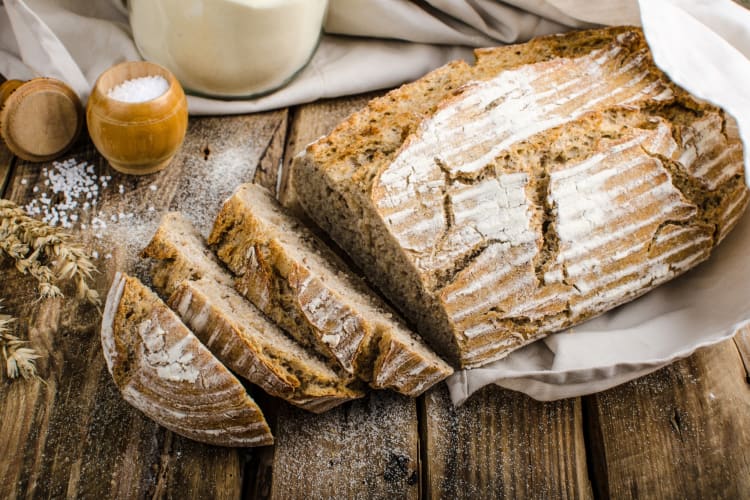
The return of home baking gives food trends the lift required to rise above store-bought and bakery-made options. Home bakers are carrying forward the food trends initiated by the handcrafted sourdough upsurge that took over kitchens back during lockdown.
Spurred on by the ever-expanding collection of television baking competitions and the increasing cost of grocery store baked goods, food trends in 2026 for bakers happily include expansion into other specialty bakes. These include focaccia and croissants as well as fanciful, Instagram-worthy confections, like mochi donuts, designed for maximum delight.
Whether it’s practicing artful decorating techniques on sugar cookies or learning the time-honored craft of handmade macarons, scratch baking lets handy chefs expand their skills while providing their families with the freshest treats possible.
This is also among the latest food trends that bring elements of the homesteading lifestyle to home cooks intrigued by the possibilities of turning their home kitchens into dream bakeries.
We Recommend
- Take some online baking classes, such as online cake baking classes, to give your home baking skills a delicious boost.
- Use your sourdough starter to make something a little different, like sourdough French toast or sourdough waffles. You could also merge two baking-based food trends and make sourdough focaccia.
- Find the best ingredient substitutes with our helpful guides that will keep your favorite baking recipes on track:
A lot of thoughtful, exciting additions to the food world will be making their way into our dining habits this year. Why wait to sample the goodness? Don’t be afraid to jump in and try some of the new food trends of 2026, and see where the culinary road takes you.
With a little open-minded experimentation, you’ll be ahead of the curve on the latest flavors and ingredients as we head into the new year!
For more fun and interesting food trends, check out the other exciting offerings on Cozymeal.