Is Sushi Healthy for You To Eat?

Few foods spark as much debate as sushi. On one hand, it’s elegant, fresh and filled with ingredients that sound like they belong in a health magazine. On the other, it can be a minefield of hidden calories, creamy sauces and deep-fried extras that quickly change its nutritional profile.
So, is sushi healthy? The answer depends less on the cuisine itself and more on what ends up on your plate.
For those who view sushi as a wholesome, healthy option, the reality may be more nuanced. Some types deliver lean protein, beneficial fats and vegetables, while others pack excess calories, sodium and added fats that may not align with your health goals.
The good news is that with thoughtful choices, the answer to “Is sushi healthy?” can absolutely lean in your favor.
This guide breaks down how healthy sushi really is, including its nutritional benefits, potential drawbacks and which types of sushi are best enjoyed regularly versus occasionally. With a clearer understanding, you can make smarter sushi choices without sacrificing enjoyment.
Jump to Section
- Is Sushi a Healthy Food?
- How Healthy Is Sushi for You?
- What Are the Health Benefits of Sushi?
- What Is the Healthiest Sushi?
- What Is the Unhealthiest Sushi?
Is Sushi a Healthy Food?
If you’ve been asking, “Is sushi a healthy food?”, the answer largely depends on the ingredients used. Sushi can fit into a balanced diet thanks to its combination of protein, fats and carbohydrates.
Fresh healthy fish provides high-quality protein and omega-3 fatty acids linked to heart and brain health. Nori, the seaweed wrapper used in many rolls, contributes minerals like iodine along with small amounts of fiber and antioxidants.
Some observational research, such as from Harvard Health, suggests that seaweed consumption may be associated with cardiovascular and metabolic benefits. However, these findings are preliminary and do not mean sushi or seaweed acts as a disease-preventing food on its own.
Overall, simpler sushi options made with fish, healthy vegetables and modest portions of rice can offer a satisfying and nourishing meal. Light toppings such as tobiko add flavor and texture without dramatically increasing calories when used sparingly.
What To Avoid
When evaluating “Is sushi healthy?”, ingredient choices matter. Not all types of sushi are nutritionally equal.
Rolls loaded with tempura, sugary glazes or creamy sauces raise calorie, fat and sodium levels quickly. While these options can be enjoyed occasionally, they are less supportive of overall health when eaten frequently.
In these cases, the answer to “Is sushi healthy for you?” is generally no, especially if these rolls make up the bulk of your order.
Is Sushi Healthy for Weight Loss?
Many people wonder, “Is sushi healthy for weight loss?” Sushi can work within a weight loss plan, but portion size and preparation are key.
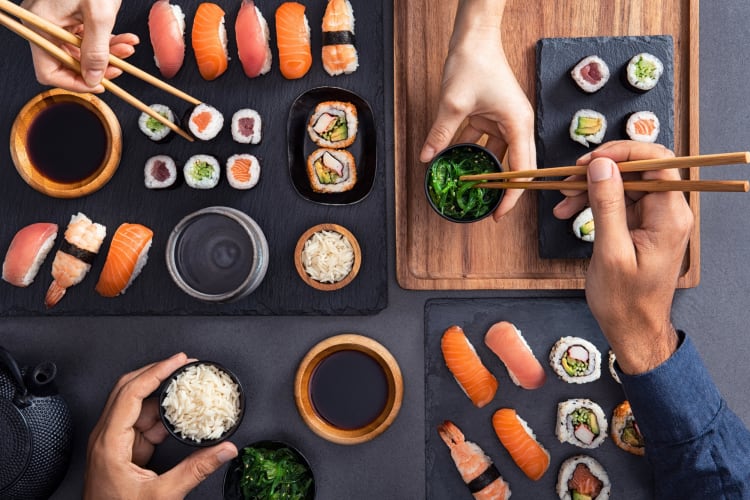
Choosing options like nigiri or sashimi helps keep calories lower while still providing protein. Sashimi is also suitable for those following lower-carbohydrate eating patterns.
Rolls with fried ingredients, cream cheese or heavy sauces are more calorie-dense and easier to overeat. Sticking with simpler rolls makes it easier to manage intake without feeling restricted.
Consume Sushi in Moderation
Even when the answer to “Is sushi healthy?” is yes, moderation still matters. Weight management ultimately depends on overall calorie balance, not individual foods.
Enjoy sushi as part of a broader eating pattern that includes a variety of foods and regular movement. No single meal determines health outcomes on its own.
How Healthy Is Sushi for You?
Sushi includes a wide range of ingredients, each contributing differently to its nutritional value. Understanding these components helps clarify how healthy sushi is for you.
1. Fish
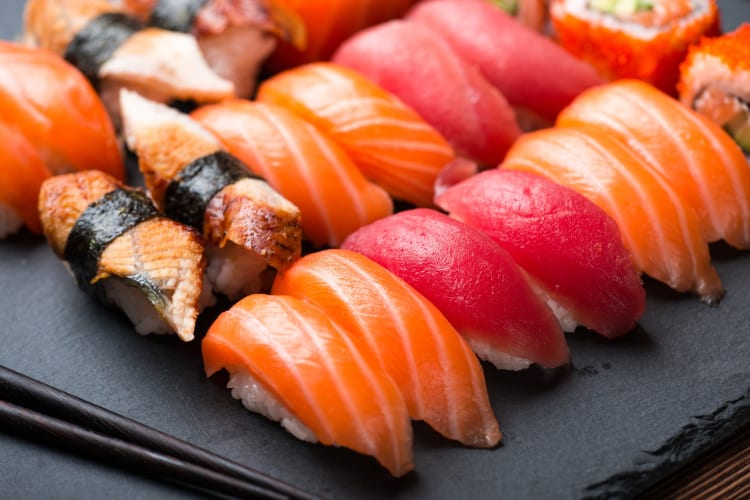
Fish provides protein and omega-3 fatty acids, which support cardiovascular and neurological health. Common sushi fish like salmon and tuna can be beneficial additions to the diet.
That said, some fish contain higher mercury levels. Tuna and certain types of mackerel should be eaten in moderation, particularly for children and those who are pregnant, may become pregnant or are breastfeeding.
2. Rice
So, is sushi healthy even with rice? In reasonable portions, yes.
White rice is traditional but lower in fiber due to processing. Brown rice offers more fiber and minerals, which may help with satiety.
Sushi rice is typically seasoned with sugar and salt, which adds flavor but also increases carbohydrate and sodium content. Choosing brown rice or limiting portion size helps keep sushi more balanced.
So, if you are searching for the healthiest sushi, try making some yourself with help from a sushi-focused cooking class near you or an online Japanese cooking class.
3. Fruits and Vegetables
Vegetables and fruits contribute fiber, vitamins and minerals that enhance sushi’s nutritional profile. Some "superfood" ingredients like avocado, cucumber and carrots support overall dietary quality.
Avocado provides unsaturated fats, but it is also calorie-dense, so portion awareness remains important.
Adding vegetable-based rolls or sides like regular or spicy edamame or Japanese cucumber salad can improve meal balance. Be mindful of added sugars and sodium in prepared sides.
4. Nori
Nori supplies iodine and trace nutrients and adds minimal calories. It also contributes small amounts of fiber. Those following very low-sodium diets should be aware that some seaweed products contain added salt.
5. Sauces and Toppings
Creamy sauces and sweet glazes significantly increase calories, fat and sodium. This is often where sushi shifts from balanced to indulgent.
If choosing these toppings, consider limiting them to one roll or requesting sauces on the side. Soy sauce should also be used sparingly or replaced with low-sodium versions when available.
What Are the Health Benefits of Sushi?
When prepared thoughtfully, sushi offers several nutritional benefits:
- It is often a source of omega-3 fatty acids.
- Protein supports muscle maintenance and repair.
- Vegetables contribute fiber for digestive health.
- Simple preparations can support weight management.
- Many ingredients provide essential vitamins and minerals.
Below is a closer look at these benefits.
Rich in Heart-Healthy Omega-3s
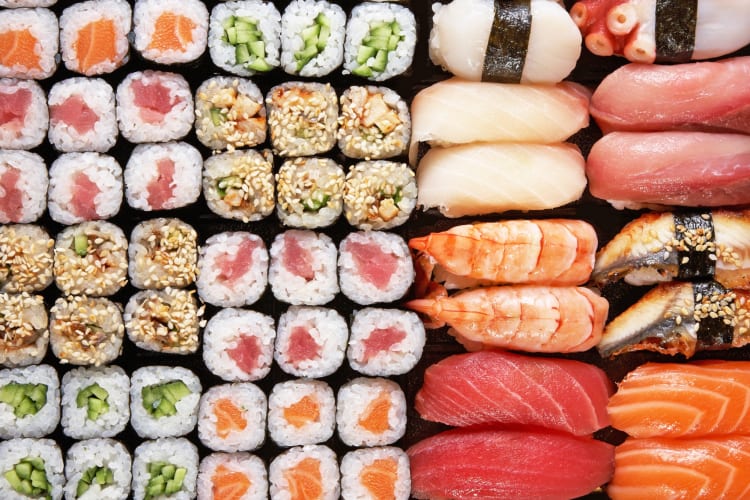
Fish like salmon and tuna provide omega-3 fatty acids associated with reduced inflammation and cardiovascular support. This is one reason many people answer “Is sushi healthy?” with confidence.
Plant-based sushi does not provide omega-3s in the same amounts, though avocado still contributes beneficial fats.
Helps With Muscle Repair and Recovery
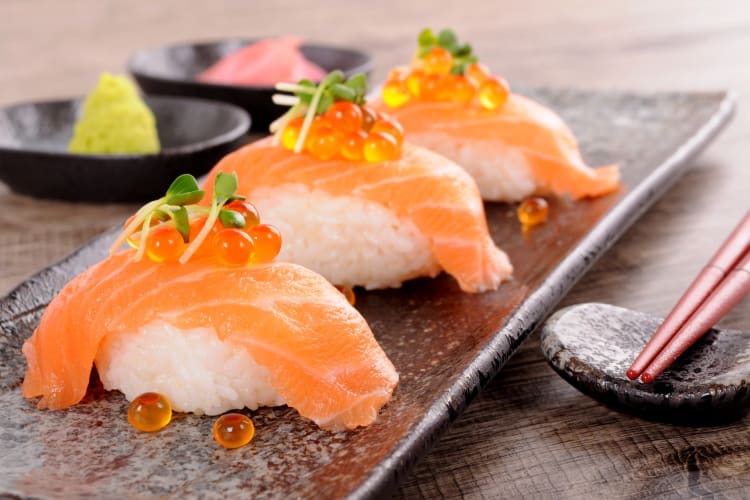
Protein from fish and tofu supports muscle repair and overall tissue maintenance. Sushi containing these ingredients can be a convenient post-workout meal when portions are appropriate.
Protein also contributes to satiety and supports skin, hair and nail health.

Supports Digestive Health
Vegetables and seaweed provide fiber, which supports normal digestion. Pickled ginger and wasabi contribute antioxidants, though they should be viewed as flavor enhancers rather than digestive treatments.
Helps Manage Weight
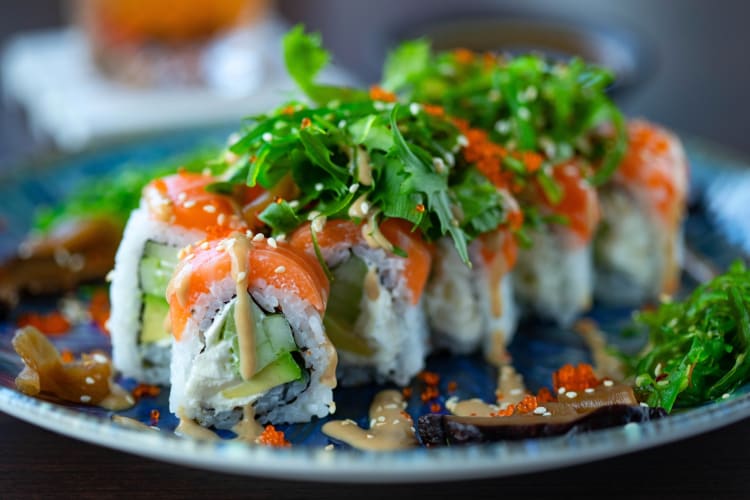
When made with minimal sauces and fried components, sushi can be relatively low in calories. Brown rice options increase fiber, which may help with fullness.
As always, portion size plays a central role in whether sushi supports weight goals.
Delivers Essential Vitamins and Minerals
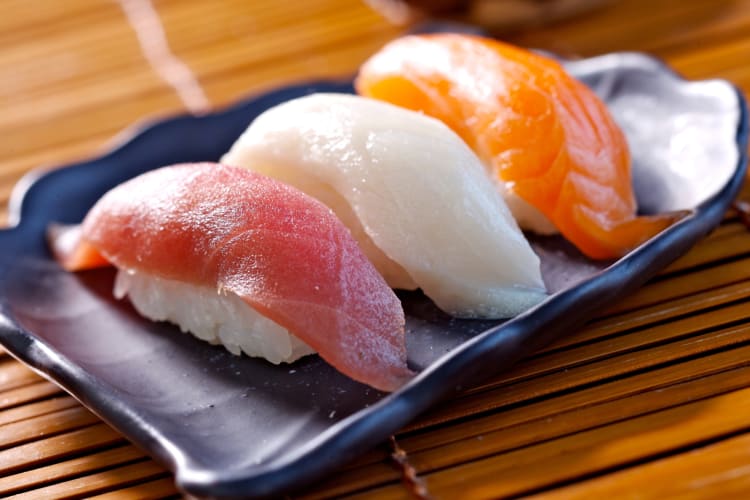
Fish and seaweed provide nutrients such as iodine, vitamin D and B vitamins, while vegetables add additional micronutrients. Together, these ingredients help explain why sushi can be part of a balanced diet.
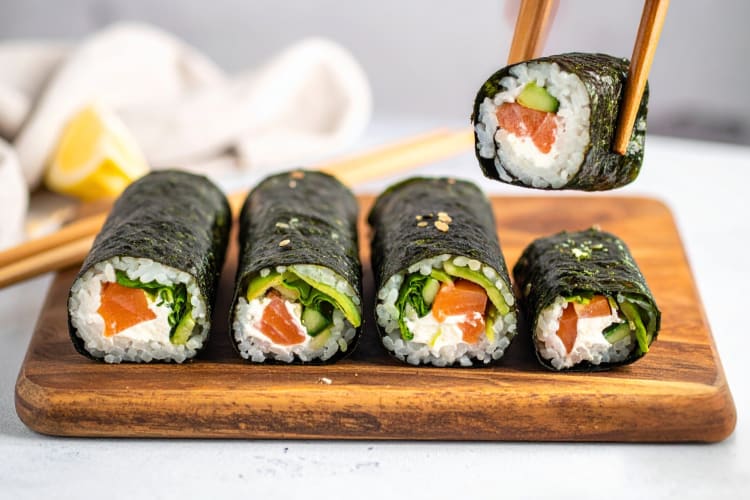
What Is the Healthiest Sushi?
Now that we’ve explored the answer to: “Is sushi healthy?”, let’s dive into the healthiest options you can choose.
As we've covered, sushi can be a nourishing addition to your diet when you prioritize fresh vegetables, lean protein and whole grains like brown rice while skipping heavy sauces and fried components.
To help you further narrow down which sushi options are best for healthy eating, we've rounded up a few of the healthiest and most popular types of sushi to consider.
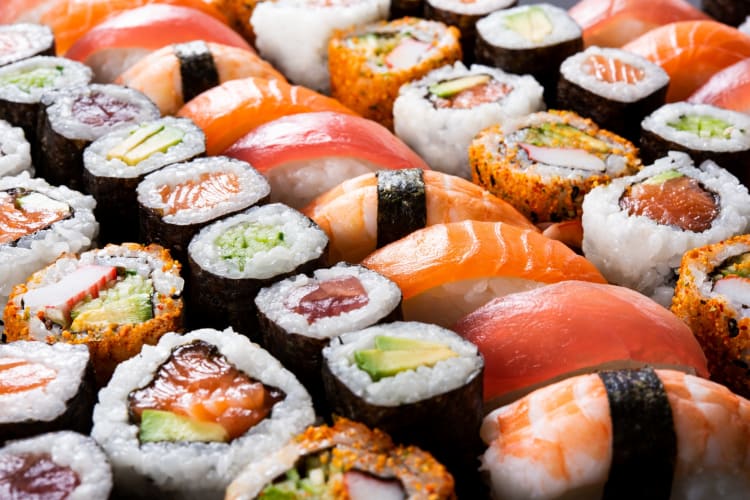
Tuna Roll With Masago
Opting for a tuna roll or tuna nigiri is a simple, protein-rich choice. But, is sushi healthy when tuna and masago are used together? Generally, yes, this popular preparation is healthy.
Adding masago on top gives this sushi roll a flavorful boost along with asmall amounts of omega-3 fatty acids and nutrients like vitamin B12. Portion size matters, but this remains a relatively balanced choice.

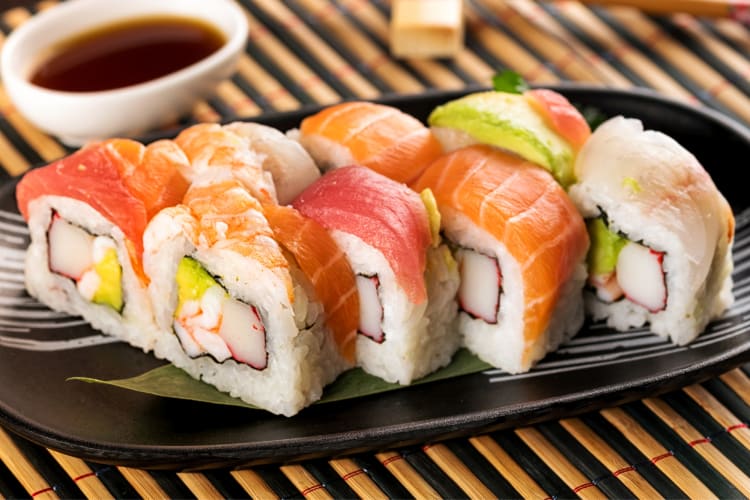
Rainbow Roll
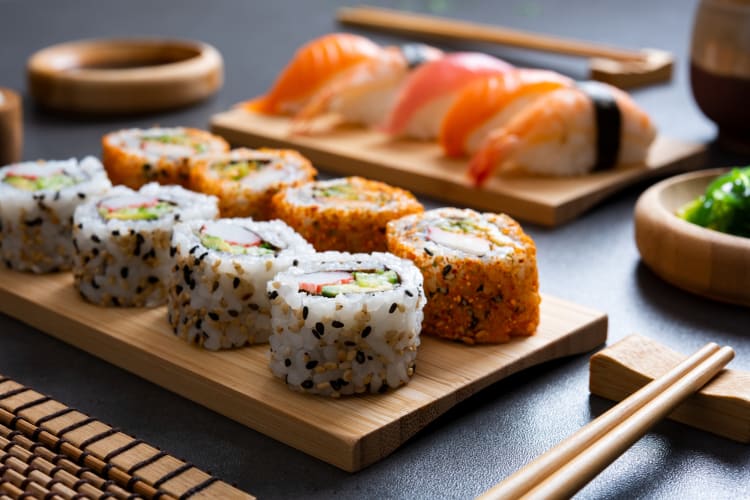
The rainbow roll is a popular order that layers fresh slices of various kinds of fish. This usually includes ingredients such as tuna, salmon and snapper, often over a vegetable-filled base. However, some variants only include various types of fish.
Rainbow rolls feature multiple types of fish over a vegetable-based roll. When prepared without heavy sauces, they provide protein and beneficial fats. Asking for brown rice increases fiber content.
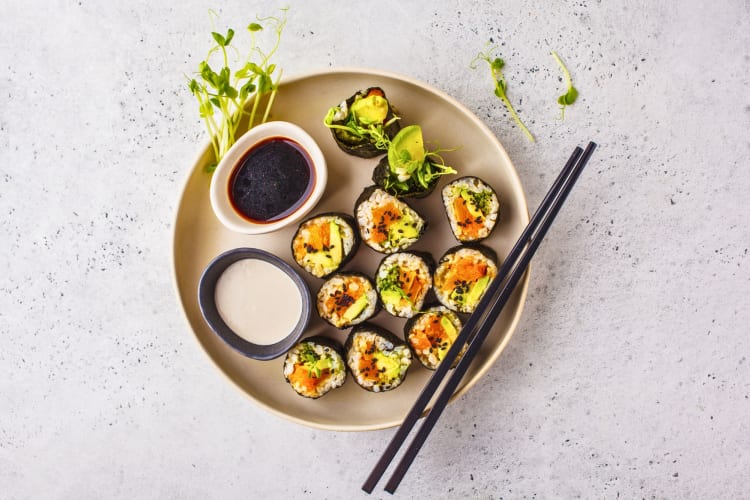
Vegetable Roll With Brown Rice
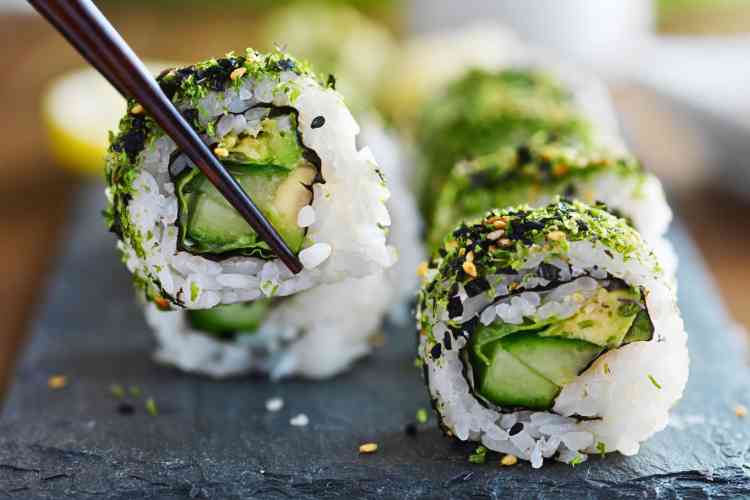
For plant-based eaters or anyone looking to increase fiber intake, vegetable rolls are a fantastic choice. Ingredients like cucumber, avocado, carrots and oshinko are high in vitamins and minerals.
Opting for brown rice instead of white rice further boosts the fiber content and improves satiety. If you're debating whether sushi is good for you and what to order to eat as healthily as possible, a vegetable roll with brown rice is a solid contender.
Salmon Avocado Roll
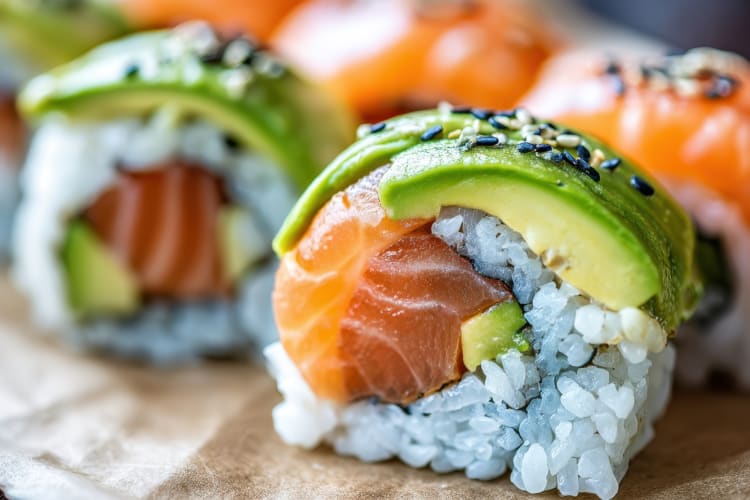
Being one of the most popular types of sushi, many will ask, "Is salmon sushi good for you?" And, is it healthy with the addition of avocado? Yes, while moderation is still important, both plain salmon sushi and salmon sushi with avocado rank among the healthiest types of sushi to eat.
Salmon and avocado combine omega-3 fats with unsaturated fats and fiber. This roll is filling and nutrient-dense when kept simple.
This fish-infused type of avocado roll is typically simple and avoids the calorie overload of sauces or fried toppings, which makes the dish a win for anyone wondering: “Is sushi healthy?” Salmon sashimi is a good alternative for those limiting carbohydrates.
Homemade Sushi
Making sushi at home is an excellent option when eating healthily, as you can control exactly what goes into each piece. It also allows you to switch white rice for brown and avoid sugar being added to the rice, which can be challenging to do at many sushi restaurants. Plus, making sushi at home is a super fun activity!
If you’re inspired to incorporate sushi into your diet by preparing it yourself, consider exploring healthy online cooking classes or trying your hand at online sushi-making classes. These experiences can help you make healthier, balanced sushi at home while perfecting your culinary skills.
Purchasing one of the best sushi-making kits is also a good idea, providing you with all the tools you need, including bamboo rolling mats. Some kits even come with nori and sushi rice, so all you need to shop for is your favorite healthy sushi fillings and toppings.

What Is the Unhealthiest Sushi?
Sushi often carries a reputation for being light and nutritious. However, as we have previously discussed, the answer to “Is sushi healthy?” depends heavily on the ingredients and preparation.
While many options showcase fresh fish and vegetables, others lean on calorie-heavy additions that can outweigh the benefits.
These ingredients include anything deep-fried, like tempura or panko, which may be added to the outside of rolls, and rich sauces like eel sauce or mayonnaise-based sauces. Sushi featuring these types of ingredients is what you’ll want to enjoy in moderation or avoid altogether.
Some sushi options rely heavily on fried ingredients and sauces, which shifts their nutritional profile.

Tempura Roll
If you’re wondering, “Is sushi healthy for you?”, the answer would be no if you're ordering a tempura roll.
Tempura involves battering and deep-frying seafood or vegetables, turning a potentially healthy ingredient into something high in calories and fat. Rolls that include tempura often have other high-calorie ingredients as well, such as sugary sauces and cream cheese.
While tempura offers flavor and a good textural component, these rolls often include sugary sauces, making them better suited for occasional enjoyment rather than regular meals.
However, healthier sushi isn't lacking in taste or texture. While they offer a different taste and texture to tempura, sushi rolls with cucumber or oshinko are a good choice if you want a little textural crunch.
Spicy Tuna Roll
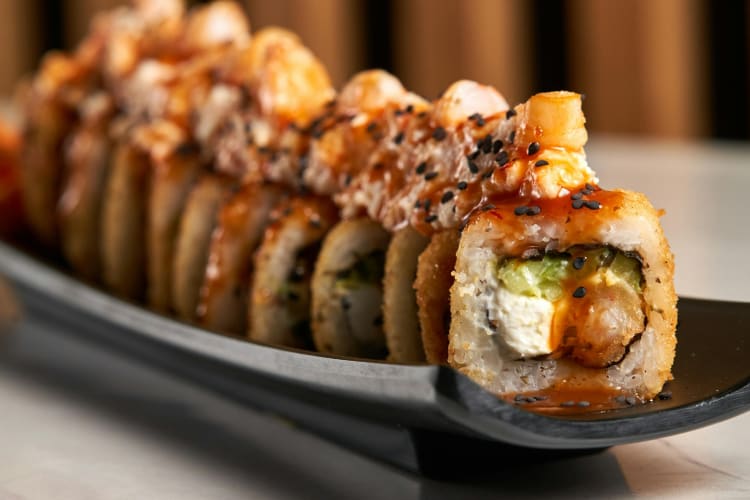
Sushi like spicy tuna rolls can be a mixed bag. While tuna itself is nutritious, spicy mayonnaise significantly increases calories and fat.
This creamy topping often overshadows the roll’s healthier elements, like fresh fish and vegetables. To keep your sushi meal on the healthier side, opt for a simple tuna roll without the mayonnaise or ask for the spicy sauce on the side to better control portions.

Dragon Roll and Other Specialty Rolls
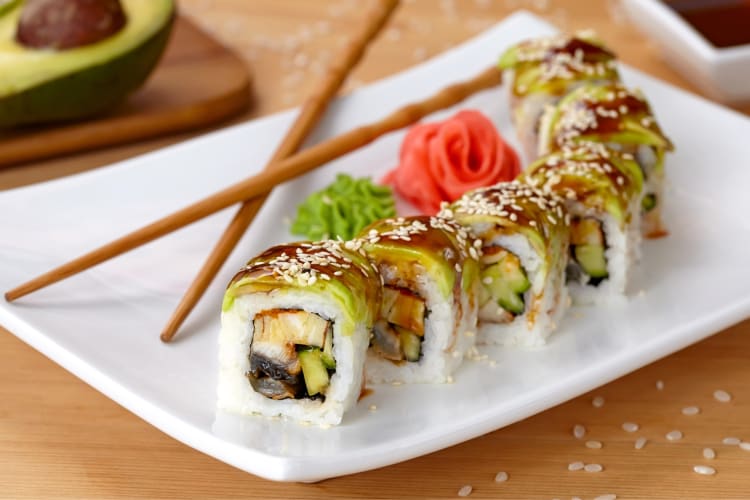
Dragon rolls and similar specialty rolls often come drizzled with sweet or creamy sauces like unagi sauce (eel sauce) or teriyaki.
Although these sauces enhance flavor, they are usually high in sugar and sodium, which isn’t great for overall health. So, be mindful of these toppings and consider asking for sauce on the side to better control your intake.
Philadelphia Roll
If you’ve ever asked, “Is sushi good for you?”, rolls like the Philadelphia roll are where things get tricky.
Cream cheese adds saturated fat and calories without contributing meaningful nutrients. This makes the Philadelphia roll less ideal compared with simpler salmon-based options.

Some Types of Fish Sushi
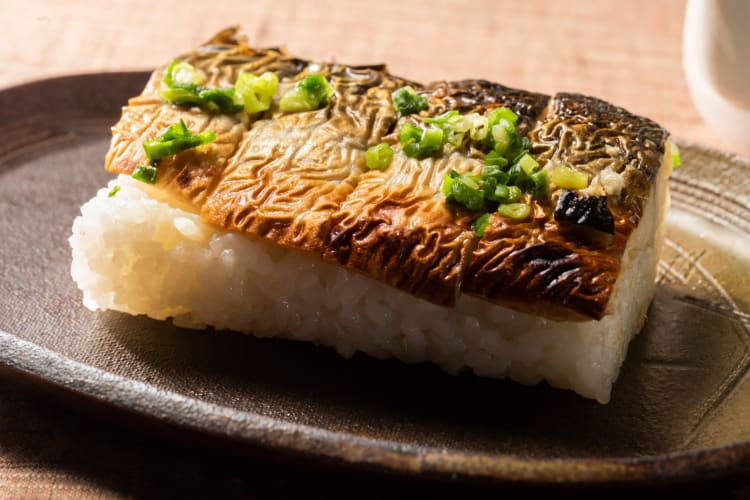
Fish such as swordfish, marlin and shark are high in mercury. Certain types of mackerel, including king mackerel, also contain higher levels. These fish should be limited or avoided, especially for vulnerable populations.
via Canva
Sushi’s popularity makes the question “Is sushi healthy?” an understandable one.
The answer is yes, when choices prioritize fresh fish, vegetables and balanced portions. By limiting fried ingredients and heavy sauces, sushi can fit comfortably into a healthy eating pattern.
How healthy sushi is ultimately depends on how it’s ordered and how often it’s enjoyed. With mindful choices, sushi can remain both nourishing and enjoyable.
For even more ways to explore your favorite foods, check out other experiences happening on Cozymeal.