Heart Healthy Foods: What to Eat for a Stronger Heart

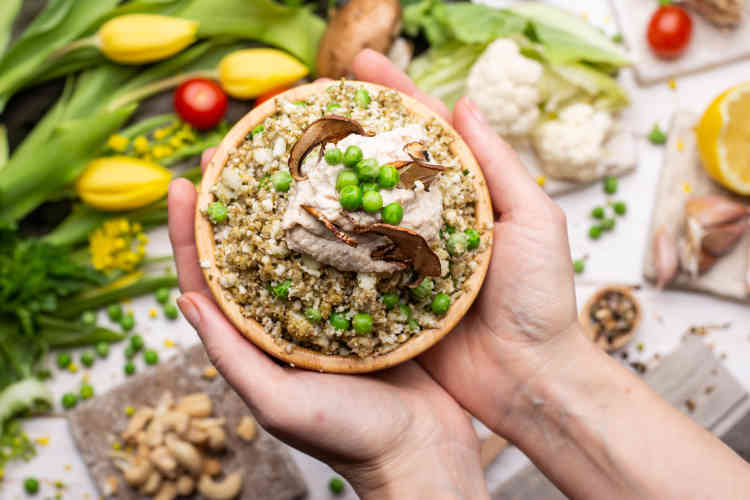
Are you searching for heart healthy foods to slip into your diet? The most effective choices are often simple, everyday foods that support healthy cholesterol levels, steady blood pressure and overall cardiovascular function.
In this guide, you’ll find 25 heart healthy foods to add to your routine, along with what to limit and easy ways to build balanced meals. Make small swaps and rethink your diet with these choices to support long-term heart health without completely changing how you eat.
- What Are Heart Healthy Foods?
- The 25 Best Heart Healthy Foods to Add to Your Diet
- Foods to Avoid for Heart Health
- The Best Diets for Heart Health
- Easy Ways to Start Eating Heart Healthy
- Heart Healthy Meal Ideas (Quick Inspiration)
- Frequently Asked Questions About Heart Healthy Foods
What Are Heart Healthy Foods?
So, what foods are good for your heart? Heart healthy foods are minimally processed and nutrient-dense. They typically include your whole grains, fruits and vegetables, beans, skinless poultry and fish and fat-free or low-fat dairy. Their goal is to reduce inflammation, prevent and manage high blood pressure, type 2 diabetes and high cholesterol. Additionally, according to the U.S Department of Agriculture, adapting to heart healthy diet foods can help to avoid non-hereditary heart problems that can creep up in the future.
The 25 Best Heart Healthy Foods to Add to Your Diet
1. Leafy Greens (Spinach, Kale, Swiss Chard)
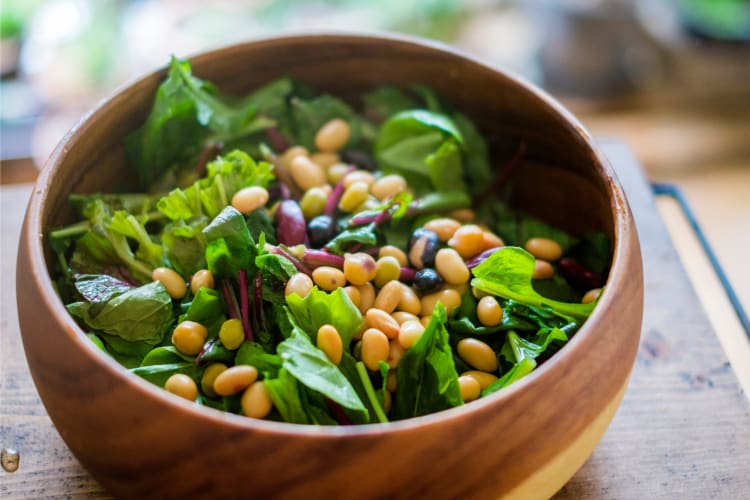
Leafy greens like spinach, kale and Swiss chard are very healthy, thanks to their vitamins, minerals and plant compounds that support overall health. They’re considered heart healthy foods courtesy of their high nitrate content, which helps relax and widen blood vessels and improve circulation. That means better blood flow and support for healthy blood pressure levels over time.
To bring them into your meals, sauté a handful with garlic and olive oil, fold them into omelets or blend them into a smoothie with your favorite fruits to disguise the earthy taste. Just be careful with the additions to your smoothies, like adding sugars or refined carbohydrates. You can also whip up soups marbled with leafy greens or upgrade your pasta with a green spinach hue.
Note: Leafy greens are nutrient-dense whether you eat them raw, blend them or juice them, but the form does change how your body experiences them. Eating greens whole (like in salads) preserves their full fiber content, helping to slow digestion and support gut health, and also contributing to steadier blood sugar levels. Blending greens into a smoothie keeps that fiber intact but breaks down the plant cell walls, which can make certain nutrients like carotenoids slightly easier to absorb. Because smoothies are quicker to consume, it’s also easier to take in larger quantities than you might eat in a bowl.
Juicing is where the biggest difference shows up. When you juice leafy greens, most of the fiber is removed, leaving a concentrated source of vitamins and minerals that are absorbed more quickly. That can be useful in some cases, but it also means less satiety and fewer gut-health benefits compared to whole or blended greens. For most people, eating or blending leafy greens offers a more balanced nutritional profile, while juicing is better seen as a supplement rather than a replacement. For a clear, evidence-based overview, see Harvard T.H. Chan School of Public Health’s guidance on fruits, vegetables and dietary patterns.
2. Salmon and Fatty Fish
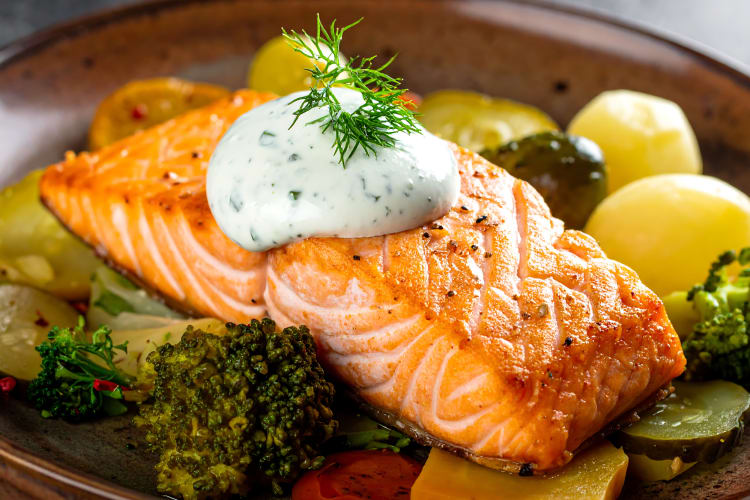
Salmon and other fatty fish like mackerel and sardines are good heart healthy foods thanks to their impressively rich supply of omega-3 fatty acids, which can help combat inflammation. These healthy fats also help lower triglyceride levels, supporting a steadier, healthier heart rhythm over time.
Fatty fish can also be great for anti-inflammation for the heart. Incorporating them into your meals is as simple as roasting salmon with olive oil, lemon and herbs or flaking it into your salad or rice bowl. For added convenience, canned options work just as well, so you can easily pull together protein-packed pastas, salmon toast and more that you can get straight from your pantry.
3. Berries
Berries, including strawberries, blueberries and raspberries, bring a naturally sweet touch to your heart healthy foods selection while providing real benefits for the heart. They’re rich in antioxidants called anthocyanins, which protect the body against inflammation and oxidative stress that is linked to heart disease.
Their bite-sized nature makes it easy to carry on the go for a quick heart healthy snack by the handful. There's no effort required for breakfast as you can scatter them over your cereal or yogurt and blend them into your creative smoothies.

4. Oats and Whole Grains
Oats and whole grains, including brown rice, whole wheat and quinoa, are staple heart healthy foods that do more than provide steady energy. These whole grains are rich in soluble fiber, especially the beta-glucans in oats, which is your body's best friend for keeping LDL cholesterol and high blood sugar stable, both of which can contribute to coronary heart disease.
The easiest way to add whole grains into your diet is through simple swaps, like switching from white bread to brown, starting your morning with a warm bowl of oatmeal topped with berries and nuts instead of sugary cereal and choosing brown rice or quinoa instead of white rice. Once you’ve eased into it, you can try making your own hearty grain salad.
5. Avocados
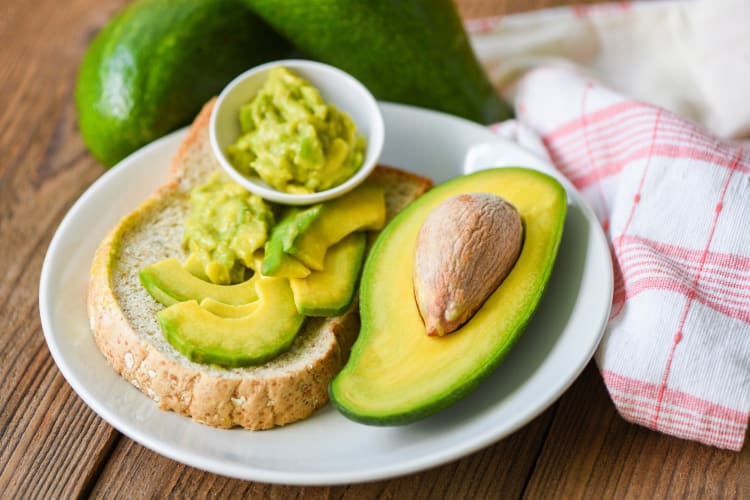
Sometimes the best foods that improve cardiovascular health come in palm-sized green packages. Avocados are fantastic heart healthy foods because they are packed with heart-friendly nutrients. These include monounsaturated fats that help lower LDL cholesterol and quietly but consistently protect the heart. Their creamy texture and delicious taste are a bonus.
Avocados are multifaceted. They make a great healthy snack or a tasty part of a full meal and overall, they’re easy to slip into your everyday diet. Try slicing or smashing them onto a piece of toast. You can also put their creamy texture to good use in a smoothie or dice them into a salad for some contrast. Its versatility means adding it to your breakfast, lunch or dinner doesn’t feel like an extra step.
6. Nuts (Almonds, Walnuts)
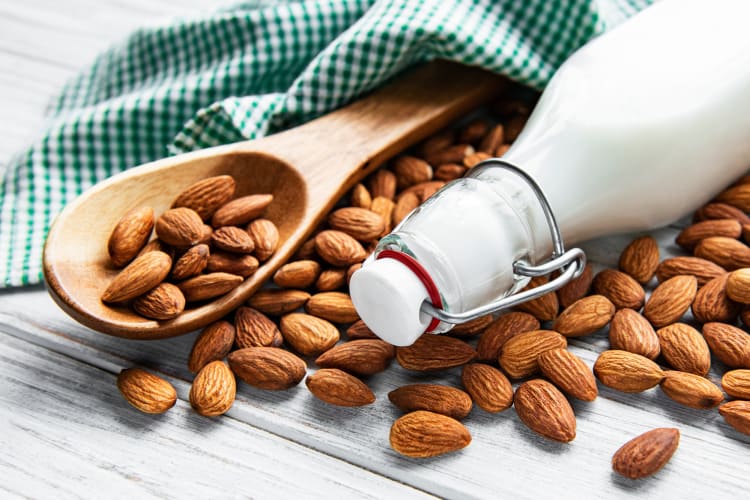
A handful of nuts, from almonds to walnuts and cashews, provide your body with healthy fats and fiber. These tiny powerhouses of unsaturated fats and plant-based compounds help lower cholesterol and reduce your risk of developing a stroke, coronary heart disease and other cardiovascular conditions.
For a simple addition to your day and depending on which of these healthy nuts you pick, sprinkle some almonds over oatmeal, mix cashews into your yogurt and pair walnuts with your favorite baked goods. If you’re feeling adventurous, you can turn your nuts into nut butter for spreads and skip all the unnecessary added sugars lurking in store-bought versions.
Are some nuts better than others for your heart?
Most nuts are good for heart health, thanks to their high levels of unsaturated fats, which help lower LDL (“bad”) cholesterol and support overall cardiovascular function. They also provide fiber, plant sterols and antioxidants, all of which contribute to better heart health when eaten regularly in moderate portions.
Some varieties offer more targeted benefits. Walnuts stand out for their omega-3 fatty acids (ALA), which are linked to reduced inflammation, while almonds are particularly effective for supporting healthy cholesterol levels due to their mix of monounsaturated fats, fiber and vitamin E. Pistachios may help support blood pressure and cholesterol, and pecans provide antioxidants that help reduce oxidative stress.
The bigger factor to watch isn’t the type of nut, but how it’s prepared. Heavily salted, sugar-coated or oil-roasted nuts can reduce the overall benefit by adding excess sodium, sugar or unhealthy fats. For the most heart-friendly option, choose raw or dry-roasted, unsalted nuts and stick to small portions, like a handful at a time.
7. Olive Oil
Olive oil has long been hailed as the holy grail of cooking oils and a cornerstone of heart healthy foods. It’s packed with monounsaturated fats and antioxidants that help keep your blood vessels healthy and support balanced cholesterol levels.
Adding this heart healthy food into your daily routine can quietly strengthen your heart health over time. It’s among the best foods for heart health to use as a finishing drizzle over roasted vegetables or salads or to sauté meats in place of less healthy fats.

8. Beans and Lentils
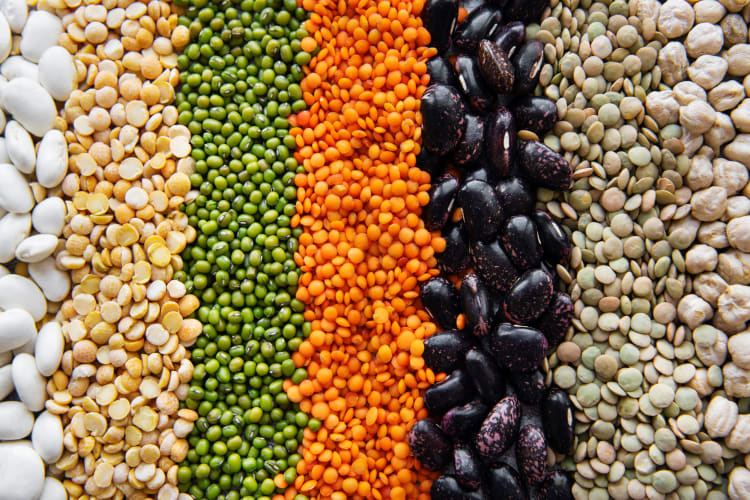
As far as heart healthy diet foods go, beans and lentils are a versatile must, packed with fiber, essential minerals and plant-based protein if you’re meat-free, all of which support cardiovascular wellness. This soluble fiber eases the strain on arteries by reducing LDL cholesterol.
You don’t have to scratch your head when deciding how to add them to meals. Cooked lentils go great in salads or grain bowls, while beans add texture to soups or stews. Either way, they are a heart healthy food that provides a nourishing foundation for lunches and dinners and do well to support long-term heart health.
Drizzling vs using olive oil for cooking. Using olive oil raw (like drizzling it over salads or vegetables) preserves its full range of antioxidants and polyphenols, which are compounds linked to reduced inflammation and better heart health. These are especially abundant in extra virgin olive oil and are more sensitive to heat. So when you use it raw, you’re getting the maximum cardiovascular benefit.
Cooking with olive oil is still very heart-healthy, particularly because it’s rich in monounsaturated fats that remain stable at typical cooking temperatures. However, some of the more delicate antioxidants can degrade when exposed to high heat, especially during prolonged cooking or frying. That said, extra virgin olive oil is relatively heat-stable compared to many other oils, so it’s still a strong choice for sautéing or roasting.
In practical terms, the best approach is to use olive oil both ways: cook with it as your primary fat, then add a small drizzle at the end to retain those extra beneficial compounds.
9. Dark Chocolate (High Cocoa)
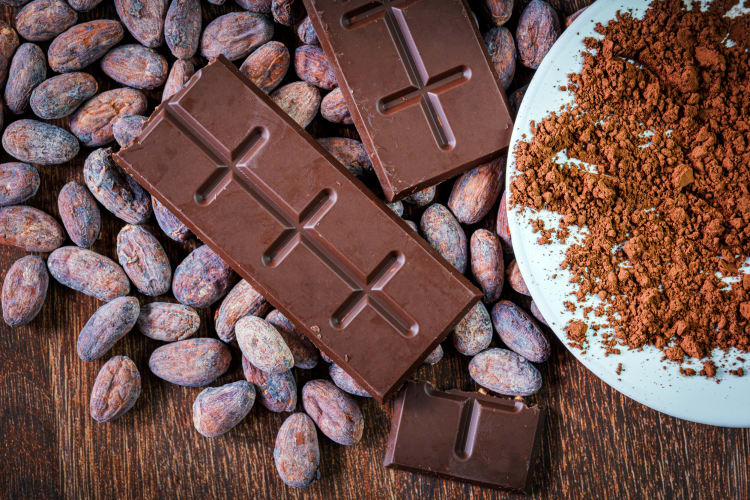
Aside from the magnesium that helps you fall soundly asleep, dark chocolate is also a heart healthy food rich in flavonoids that relax blood vessels and help lower blood pressure.
For an easy way to enjoy it, keep a few squares on hand for a mindful post-dinner snack, shave some delicate curls over your oatmeal or yogurt or melt a small portion to drizzle over fruit for a decadent but overall healthy dessert.
10. Tomatoes
Tomatoes are high in vitamin C and a lycopene-rich antioxidant dynamo that does more for your heart than you might realize. Regularly including these glossy-skinned berries in your diet can help lower blood pressure and support overall heart health.
Fresh or cooked, tomatoes aren’t picky about their final destination. They add a pop of color to salads, make a tasty accompaniment when roasted or grilled and are equally delicious blended into hearty soups. If no fuss is your motto, cherry tomatoes also work well for a quick, heart healthy snack.

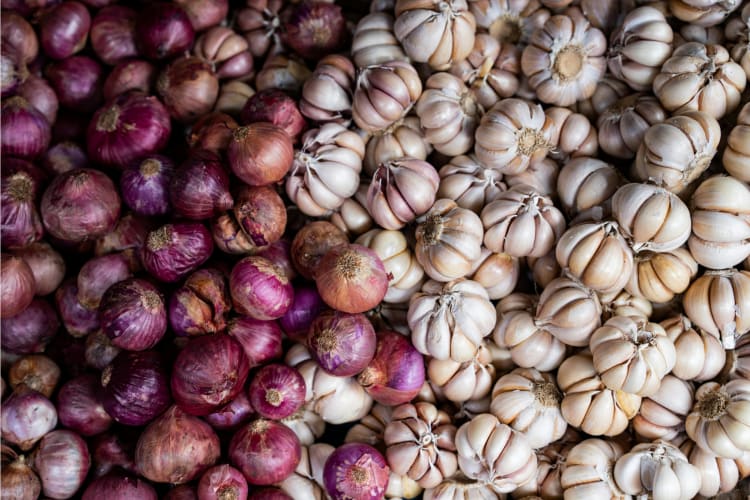
11. Garlic
Pungent breaths aside, garlic is a flavorful addition to this list of heart healthy foods. It’s rich in compounds like allicin, which is released when garlic is crushed or chopped and may help relax blood vessels and improve circulation.
It’s a fantastic addition to an uncountable number of heart healthy meals. Mince or crush cloves into marinades, simmer them into rich sauces paired with protein or whip them into a fragrant, smooth garlic compound butter. You can easily add garlic to plenty of heart healthy recipes without changing your usual cooking routine.
12. Green Tea
Green tea is a subtle but effective heart-healthy drink, loaded with antioxidants called catechins (especially EGCG) that help lower LDL cholesterol and triglyceride levels, reduce inflammation and improve blood vessel function.
The easiest way to include green tea in your diet is to brew a cup in the morning or afternoon, but not at night, as it contains caffeine. Depending on your taste, you can enjoy it hot or iced and add a splash of lemon for good measure.
Green tea vs matcha. Both matcha and green tea come from the same plant, so they provide the same benefits. While regular intake of both versions is associated with modest improvements in cardiovascular health, particularly when they replace sugary drinks, they differ in concentration. With traditional green tea, you usually steep the leaves and discard them, so you only consume what’s extracted into the water. With matcha, you consume the entire powdered leaf, which means a higher intake of antioxidants, as well as more caffeine and compounds like L-theanine. In practice, that can translate to a stronger dose of heart-supportive polyphenols — but also a more noticeable stimulant effect.
For most people, both are heart-healthy choices. Matcha may offer a slightly more concentrated benefit, while green tea is easier to drink throughout the day in larger quantities. The bigger impact comes from consistency and overall diet rather than choosing one over the other.

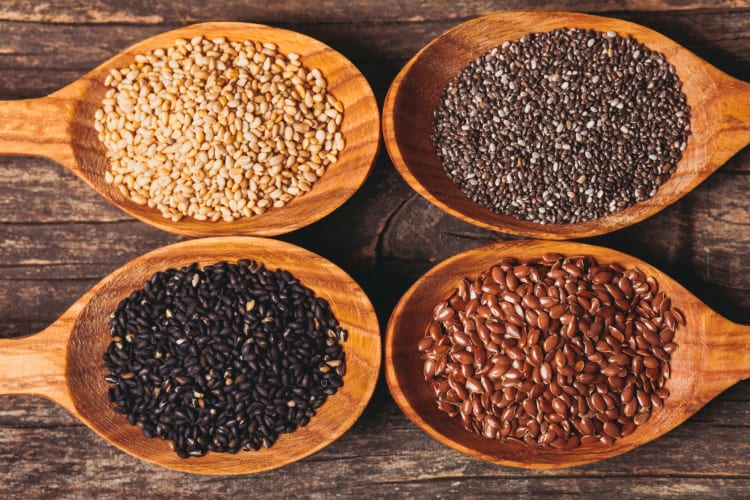
13. Seeds (Flax, Chia)
Small but mighty, seeds such as flaxseed and chia are heart-healthy foods that make it almost too easy to incorporate into your diet. They are a concentrated source of omega-3 fatty acids, fiber and plant compounds that support cardiovascular function and, in turn, protect your heart.
It’s as simple and low-effort as sprinkling some on top of your bowl of oatmeal for double heart-healthy goodness, or adding them to your blended smoothie.
Blend, soak or steep? When you blend flax and chia seeds into a smoothie, you mechanically break them down, which can make certain nutrients more accessible for absorption, especially the omega-3s in flax. This is particularly important for flaxseed, which is best consumed ground rather than whole. You also retain all the fiber, which supports cholesterol management and overall heart health. Chia seeds don’t need to be ground, but blending still helps distribute them more evenly and may improve digestibility.
When you soak (or steep) them overnight, the seeds absorb liquid and form a gel-like texture. This doesn’t increase nutrient content, but it can improve digestion and how your body handles the fiber, particularly soluble fiber, which helps lower LDL cholesterol and stabilize blood sugar. Gel formation may also slightly slow digestion, which can be beneficial for satiety and metabolic health.
From a heart health perspective, both methods are effective. Blending may give you a slight edge in nutrient availability (especially for flax), while soaking may support digestion and sustained metabolic benefits. In practice, the best option is simply the one you’ll use consistently, but both support cardiovascular health when included regularly.
14. Apples
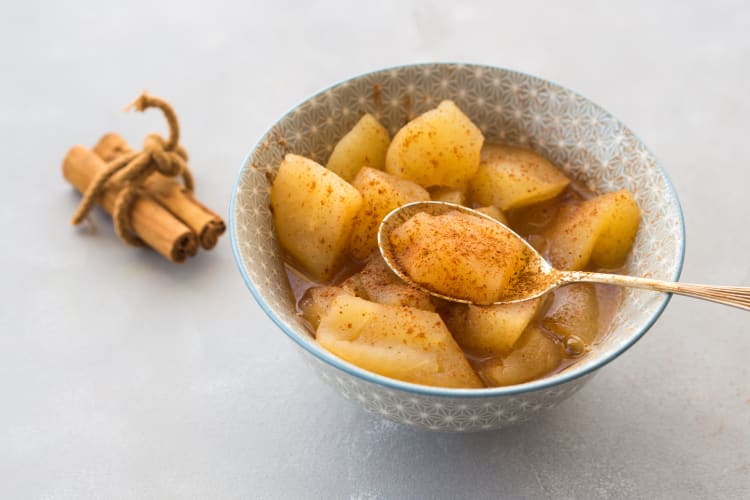
Out of all the foods that lower cholesterol, apples are arguably the most likely to be found in most shopping carts. This crisp, everyday staple among heart healthy foods provides soluble fiber, including pectin, which works to lower cholesterol. It gives new meaning to “an apple a day,” because incorporating one of the healthiest fruits into your diet goes a long way and there’s no prep required beyond a rinse. You can enjoy one on the go by itself, like most people do or upgrade your oatmeal or yogurt with dainty apple slices.
Different varieties vary in polyphenols (antioxidants) and fiber content, especially in the skin. For example, darker-skinned apples like Red Delicious or Fuji tend to have higher antioxidant levels, while tart varieties like Granny Smith are a bit lower in sugar and may have a gentler effect on blood sugar. While this is true, the differences aren’t dramatic enough to make one “heart-healthy” and another not. What matters most is eating the whole fruit regularly, ideally with the skin on, because this is where much of the fiber (like pectin) and antioxidants sit.
Cooking method has a more noticeable effect. Raw apples retain their full fiber structure, which helps lower LDL cholesterol and supports steady blood sugar. Cooked apples (like baked or stewed) still provide fiber and nutrients, but heat can reduce some vitamin C and certain antioxidants. At the same time, cooking softens the fruit, which can make it easier to digest. When you use apples for baking, watch out for the additions. Sugar, butter or syrups can quickly turn a heart-healthy food into a less beneficial option. So while cooking is still a healthy option, keep added sugars and fats in check.
15. Citrus Fruits
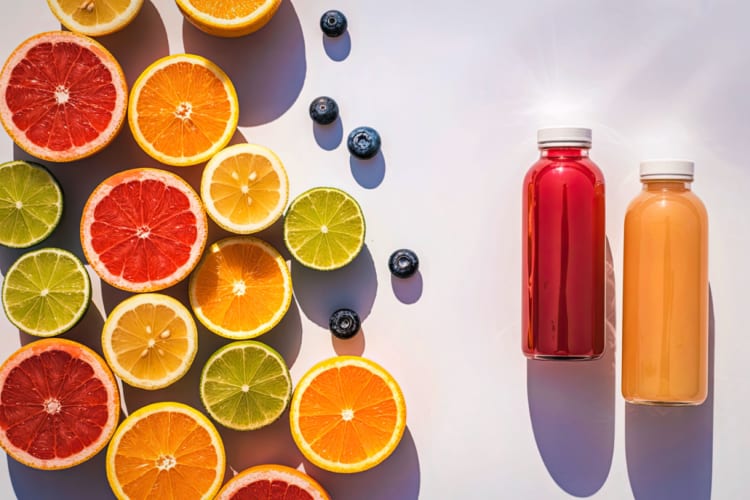
Citrus fruits like oranges, lemons and grapefruits are refreshing contenders and bring vitamin C, flavonoids and compounds that improve circulation and keep your blood vessels in top shape. Add orange segments to salads, squeeze a lemon slice into your glass of water, start your day with half a grapefruit or blend a citrus fruit of your choice into a smoothie.
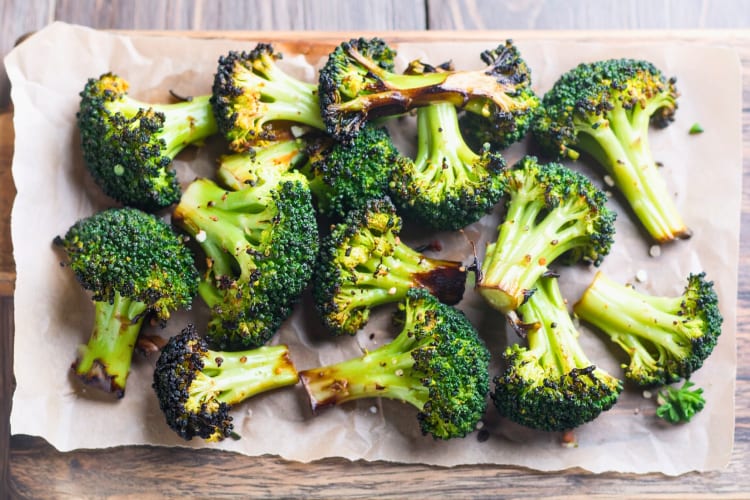
16. Broccoli
Broccoli is an unassuming vegetable that does it all, from being surprisingly high in protein to being a reliable staple for a healthy heart. Each of these mini trees is packed with antioxidants and soluble fiber that help manage cholesterol and support clearer arteries.
It’s also very easy to bring into everyday meals without much thought. Steam it and add it to your rice dishes or go the classic stir-fry route (with olive oil, of course) to add extra texture and nutrients. Incorporate these foods into your diet to improve cardiovascular health.
17. Sweet Potatoes
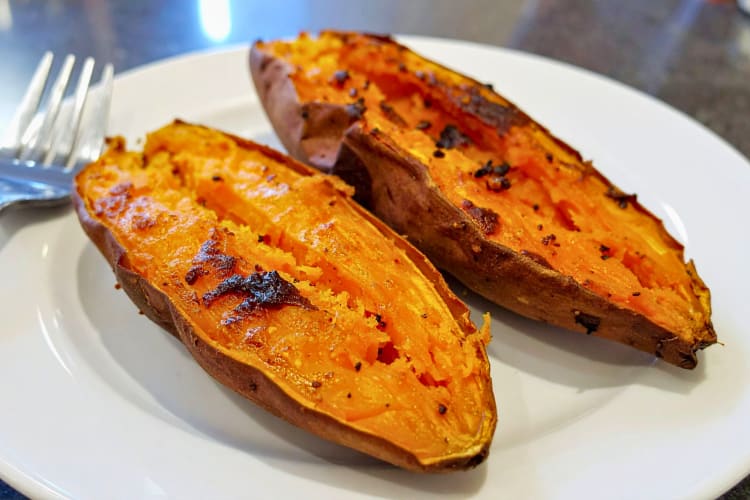
It’s not only Thanksgiving foods that incorporate sweet potatoes. They’re actually a satisfying staple year-round and a heart-healthy food option when you need it. This tuberous root is rich in fiber and potassium, which help ease tension in blood vessels by countering excess sodium.
If you’re looking to bring the best foods for heart health into your meals, consider roasting cubed sweet potatoes with olive oil and seasoning, especially if you like deep flavors. You can also mash them for a more comforting dish. Sweet potatoes for breakfast? You bet! Prepare a delicious sweet potato mash for something different.
18. Yogurt (Low-Fat)
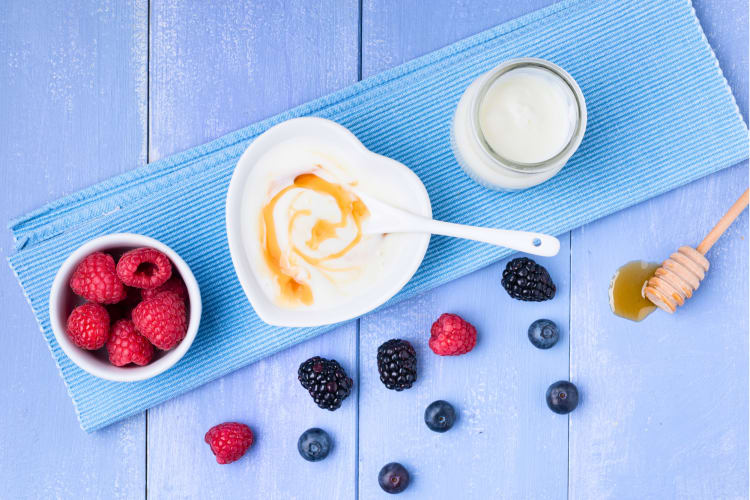
Low-fat yogurt is considered a heart healthy food thanks to its potassium content, which helps regulate blood pressure and supports steady heart function. It’s one of the best foods for high blood pressure, improving cardiovascular health and is easy to add to your daily routine. All you really need is a spoonful in a bowl with fresh fruit and oats for breakfast, blend it into smoothies or use it as a lighter swap for creams and dressings.
19. Tofu and Soy
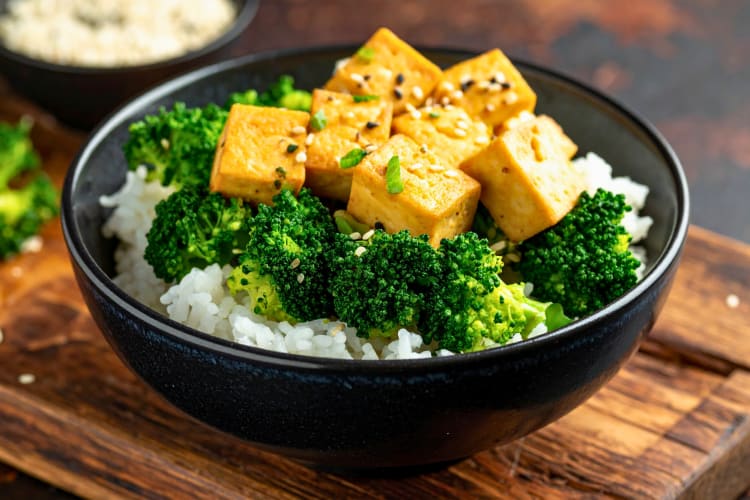
Tofu and other soy-based favorites like edamame and tempeh are exactly what you need to add to your plant-based diet if a healthy heart is important to you. These heart healthy foods can help lower LDL cholesterol and make a great swap for higher saturated fat proteins.
There’s also no fuss required because they’re easy to work into your weekly dishes. Pan-sear tofu for stir-fries, toss edamame into your salads or add tempeh to your lunch wrap. They also absorb flavor well, so if you’re worried about the taste, a simple marinade makes a world of difference.
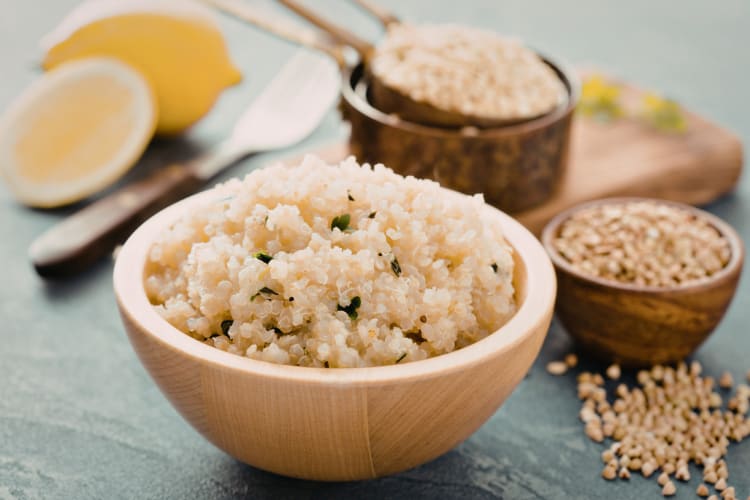
20. Quinoa
Fiber and plant-based protein are a powerful combo found inside compact but powerful quinoa. This nutrient-dense edible seed is a great source of magnesium and potassium, which helps support healthy blood pressure, making it a great anti-inflammatory food for the heart.
Cook a batch and use it as the base for a simple grain bowl or serve it alongside roasted vegetables and proteins for an equally filling meal.
21. Eggs (In Moderation)
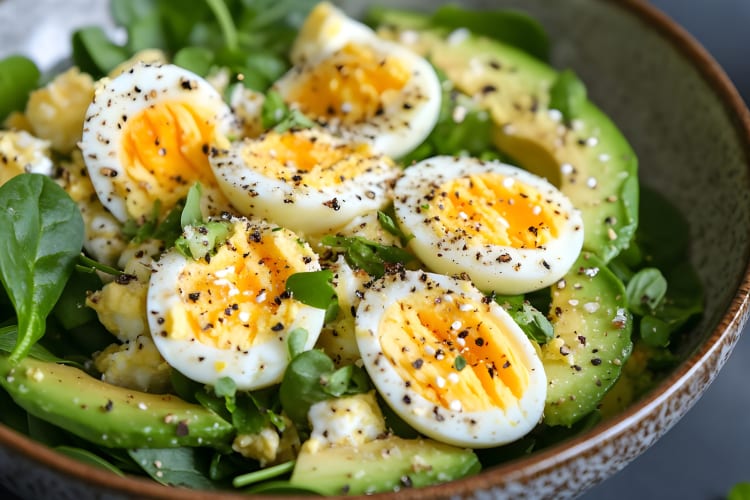
How many eggs are considered too many eggs? It’s debatable, but in moderation, they are considered a heart healthy food, offering high protein and healthy unsaturated fats that have minimal impact on blood cholesterol for most people.
For most people, eggs don’t significantly raise blood cholesterol on their own. They provide high-quality protein plus nutrients like choline, selenium and vitamin B12 that support overall health. Current guidance generally supports up to about 1 egg per day (or about 7 per week) for healthy individuals. If you have high LDL cholesterol, diabetes or existing heart disease, a more cautious range — around 3–5 whole eggs per week — is often suggested, with the rest coming from egg whites or other proteins.
Cooking method makes a meaningful difference. Boiled, poached or lightly scrambled eggs keep things heart-friendly, especially when paired with vegetables or whole grains. Frying in butter, adding processed meats (like bacon) or cooking at very high heat can add saturated fats or create less desirable compounds. Using a small amount of olive oil and avoiding overcooking is a good middle ground.
Yolk vs. white: the yolk contains most of the nutrients (including vitamins and beneficial compounds), but also all the cholesterol. The white is almost pure protein with no fat or cholesterol. For heart health, a balanced approach works well. This means including whole eggs for nutrition and mixing in extra whites to increase protein without adding more cholesterol.
22. Mushrooms
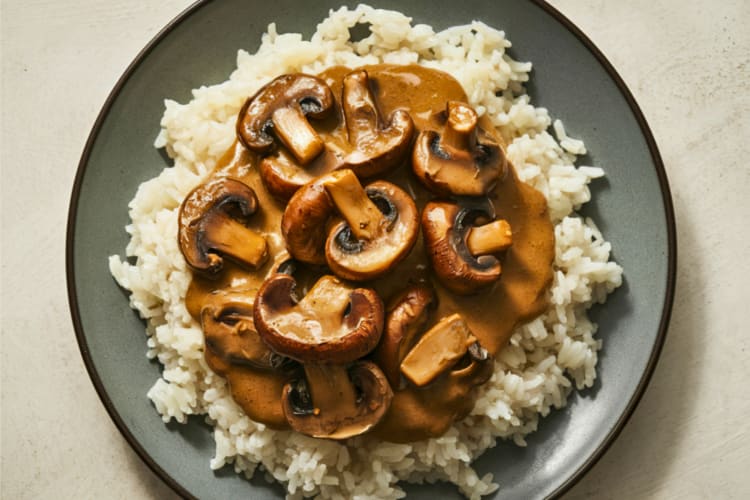
Mushrooms are the mini earthy forest-dwelling fruiting bodies of a fungus that, as alien as they sound, do so much good for our beating hearts. Underrated among the heart healthy foods, they bring a mix of fiber, antioxidants and compounds that support lower cholesterol levels and help to reduce LDL cholesterol, giving your heart a bit of reinforcement.
They’re easy to work into meals, even if you don’t know what you’re doing. Start by tossing them into your breakfast omelets or roasting them first to deepen their flavor. You can even blend them into sauces or soups and stews for a hearty base.
23. Bell Peppers
Colorful, vitamin C-rich and a heart healthy food, bell peppers are a truly versatile vegetable. The antioxidants and fiber help support cardiovascular function, which in turn lowers inflammation and oxidative stress. Your heart will thank you when you sauté slices into your breakfast omelet or grill them to bring out their smoky sweetness in a healthy appetizer. If you’re not into the fanfare, you can also eat them raw for a quick snack. If you do enjoy a bit more flair, roast them over an open flame.

24. Whole Grain Bread
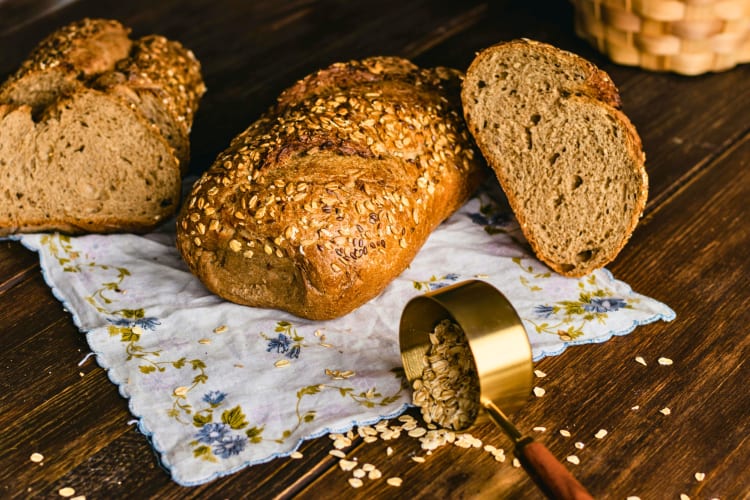
Chances are that you’re familiar with whole-grain bread being touted as the superior swap to white bread and there’s plenty of truth to this. It's made from intact grains that retain fiber, vitamins and minerals. Each slice provides soluble fiber, which helps keep cholesterol low and supports your arteries over time.
You don’t have to change how you already eat; it’s as easy as a simple swap. Use it for avocado toast in the morning or build a hearty sandwich with lean proteins and leafy vegetables.
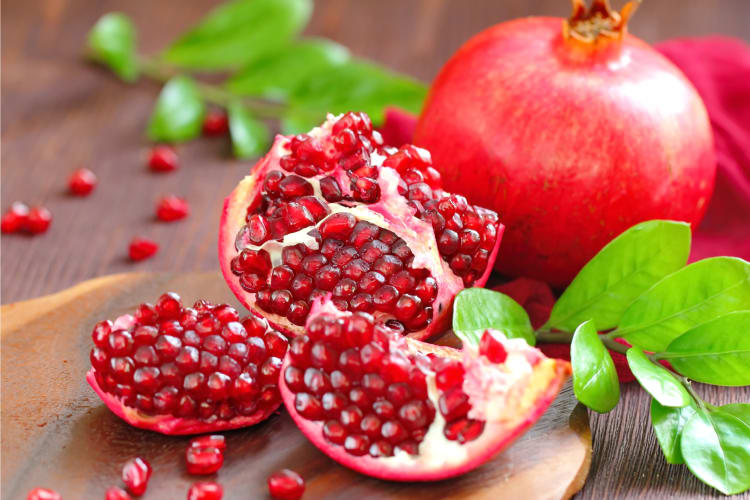
25. Pomegranate
Slightly tedious to prepare and eat, pomegranates make up for it by being rich in antioxidant polyphenols that help protect blood vessels, reduce oxidative stress and support healthy blood circulation. Pomegranates work well when the juicy seeds are sprinkled over salads, yogurt or oatmeal, or you can enjoy them on their own by the spoonful.
Foods to Avoid for Heart Health
Learning how to start eating healthy begins by cutting out unhealthy habits and making more intentional food choices.
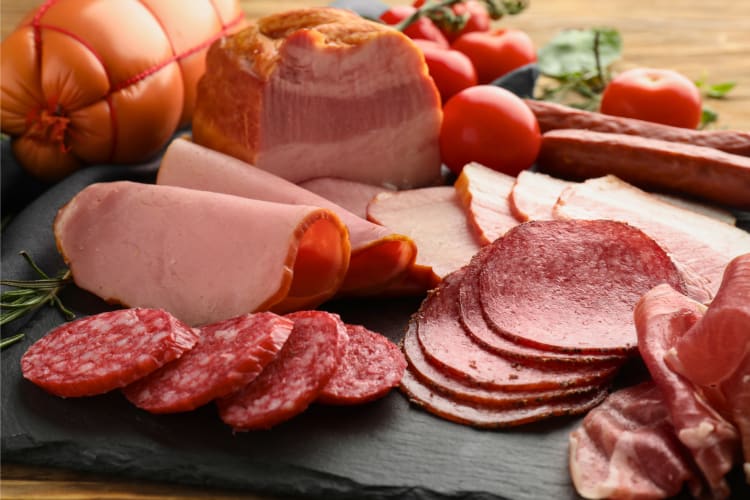
1. Processed Meats
Processed meats are one of the biggest culprits for high sodium content and are ranked among foods to avoid for heart health, especially if you already have high blood pressure. Processed meats like sausages, bacon, hot dogs and deli slices can raise blood pressure and increase cholesterol, making them a poor fit for your diet.
It’s essential that you make a heart-conscious change, try replacing them with fresher protein options like grilled chicken, fish or tofu. Reading labels and choosing minimally processed alternatives can also make a noticeable difference without overhauling your meals.
2. Sugary Drinks and Snacks
Resisting the urge to give in to sugary drinks and snacks that seem to be stocked everywhere you go can be hard, but once you know how bad they are for your heart health, you’ll think twice about grabbing a soft drink for lunch.
Sugary drinks and snacks like soda, energy drinks and cookies can drive up your daily caloric intake, which can make you pack on the pounds. They’re often loaded with fructose, corn syrup, dextrose and other added sugars you want to avoid. Above all, they hold little nutritional value and cause your blood sugar levels to spike. Make a simple change by reaching for water or unsweetened tea. Craving something sweet? Grab a fruit.
3. Refined Carbohydrates
Refined carbohydrates like white bread, pastries, white rice and many packaged snacks are best consumed in limited amounts. These foods are often ultra-processed and stripped of fiber during processing, which can lead to quick spikes in blood sugar and contribute to higher triglyceride levels over time.
A simple swap to whole-grain options like brown rice, oats or whole-grain bread provides steadier energy, reducing the strain on your cardiovascular health that frequent blood sugar spikes can cause.
4. High-Sodium Foods
High-sodium foods are the silent killers we’re all too often warned about but seldom take as seriously as we should. According to the National Heart, Lung and Blood Institute, adults and children over 14 should keep sodium intake at or below 2,300 milligrams per day.
This number is even lower if you suffer from high blood pressure, since too much sodium can lead to stroke, kidney failure and heart disease, while also driving blood pressure up without you even knowing. Making a conscious effort to choose low-sodium or no-salt-added versions of your favorite processed soups, canned meals or packaged snacks is an easy way to work towards a healthier heart and lifestyle.

5. Trans Fats and Fried Foods
Fast food is irresistible, yes, but ultimately should be limited or cut out completely, especially when focusing on your heart health. These include fried chicken soaked in oils, crispy French fries with that signature deep-fried snap that can only come from a deep fryer and fast food pizza loaded with trans fats. There are even a few healthier vegan fast foods you could swap out. They're by no means healthy, but can be healthier than the alternatives.
These are the types of foods to avoid for heart health because they’re loaded with saturated and trans fats, which create an imbalance by raising LDL cholesterol while lowering HDL. This can increase your risk of heart disease over time. A better move is to cut back on fast food and cook at home using healthier fats like olive oil or switch things up with baking, roasting or air frying. Choose minimally processed foods and always check the labels.
The Best Diets for Heart Health
There are different ways to incorporate heart healthy foods into your daily routine. There are fads that come and go, which can be confusing, but ultimately, our recommendation s to focus on two specific diets: the Mediterranean diet and the DASH diet. Before choosing either of these approaches, it’s important to consult a healthcare professional to ensure it aligns with your individual health needs.
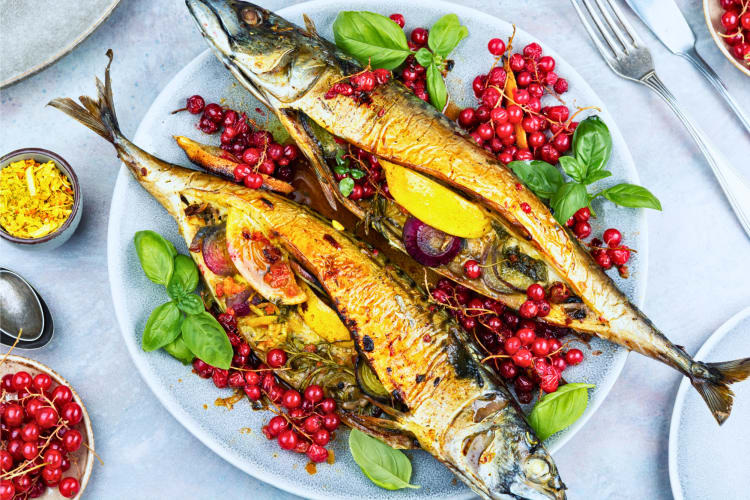
1. Mediterranean Diet
The Mediterranean diet is widely recognized for emphasizing healthy fats, especially from olive oil and fatty fish. It emphasizes incorporating naturally low-processed foods and limiting added sugars, making it a strong example of a heart-healthy diet. You’ll find plenty of fruits, vegetables, whole grains, beans, nuts, olive oil and lean proteins like fish in Mediterranean diet foods, which favors the addition of plant-based alternatives, too.
2. DASH Diet
Dietary Approaches to Stop Hypertension (DASH) is a straightforward dietary plan that focuses on incorporating heart healthy foods like fresh fruits and vegetables, low-fat dairy, nuts, beans and lean proteins in your diet. One of the key focuses of DASH diet foods is reducing sodium intake to ease pressure on blood vessels and combat high blood pressure. It also emphasizes reducing the number of foods high in saturated fats that you consume.
Easy Ways to Start Eating Heart Healthy
Here's a full guide to getting started with healthy eating if you want to change your habits right away. For bite-sized guidance, see the following tips.
1. Build Meals Around Plants
One of the easiest ways to lean into heart healthy foods is to focus on plant-based ingredients. Ingredients including vegetables, fruits, beans and whole grains are fiber-rich and nutritious, helping overall heart function and lowering cholesterol. You can start simple by filling half your plate with vegetables, then add a whole grain like quinoa or brown rice and a protein source such as beans or fish. It doesn’t have to be complicated; small changes add up.

2. Swap Instead of Restrict
Life is too short to be restricted completely. Sometimes smart swaps lead to long-term success and don’t feel limiting when building heart-healthy foods into your routine. Try replacing saturated fats with olive oil to improve cholesterol levels, choose whole grains over refined carbs, opt for baked over fried and go for water or no-added-sugar juice instead of sugary drinks.
3. Cook More at Home
Preparing more meals at home makes it easier to enjoy foods that support heart health because the ingredients are simple and intentional, making it easier to focus on heart healthy foods. You have better control over sodium and added fats and you save money at the same time. Start with easy dishes like roasted vegetables and lean proteins, then mix and match throughout the week.
4. Read Labels Smarter
Another easy hack to eating healthier is to pay attention to labels. That way, you’re able to identify and avoid hidden ingredients and stick with heart healthy foods. Check serving sizes, look for lower-sodium options and keep an eye on added sugars and saturated fats.
5. Focus on Consistency Over Perfection
Building habits around heart healthy foods works best when it's sustainable, not strict. Consistency matters more than perfection and occasional treats are completely fine if most of your choices are healthy. Aim for steady improvements and repeated choices, and remember you don’t have to get every meal right. It’s more important to create patterns that support your heart in the long run.
Heart Healthy Meal Ideas (Quick Inspiration)
It doesn’t take much to prepare your own heart healthy food at home. It’s as simple as choosing easy heart healthy recipes, straightforward cooking methods, adding more whole foods to your dishes and taking small steps to cut back on excess salt, sugar and unhealthy fats.

Breakfast Ideas
Heart healthy foods at breakfast can be quick and balanced. Try oatmeal with berries and chia seeds for fiber and antioxidants or whole-grain toast with avocado and a boiled egg. Greek yogurt with fruit and flax seeds is another great option.
Lunch Ideas
At lunchtime, keep things fibrous with heart healthy foods like a quinoa bowl with chickpeas, leafy greens and olive oil dressing. A whole grain wrap with grilled chicken, avocado and vegetables is another easy option for steady energy.
Dinner Ideas
For dinner, heart healthy foods like grilled salmon with roasted broccoli and sweet potatoes provide omega-3s, fiber and potassium. A stir-fry with tofu, bell peppers, garlic and brown rice is another equally delicious and healthy choice packed with plant-based protein. Lentil pasta with a tomato and olive oil sauce is a hearty option for cholesterol support without relying on heavy ingredients.
Snack Ideas
Snacking on heart healthy foods is as straightforward as a handful of almonds and walnuts, apple slices with nut butter or bell pepper sticks dipped in delicious hummus. Nothing is overcomplicated; just go easy on the nut butter and nuts because they are calorie-dense.
Frequently Asked Questions About Heart Healthy Foods
What Is The Number One Heart Healthy Food?
There isn’t a single “number one” heart healthy food, since heart health depends on overall eating patterns rather than one ingredient. That said, heart healthy foods like fruit and vegetables, such as spinach and citrus fruits, are often highlighted because they support healthy blood pressure through their natural nitrates and antioxidants.
What Foods Should You Eat Daily For Heart Health?
Your daily diet should include a mix of heart healthy foods like fruits, vegetables, whole grains, healthy fats and lean or plant-based proteins. Aim for foods rich in fiber, like oats, beans and leafy greens, to support cholesterol levels and sources of healthy fats like nuts and olive oil to support your overall heart function.
What Foods Unclog Arteries Naturally?
While there is no magic fix to unclogging arteries, you can eat a variety of heart healthy foods that help to prevent injury to your arteries and support their function. Aim to include foods good for heart health in your diet, such as high-soluble-fiber foods like beans and oats, and antioxidant-rich foods like berries and olive oil.
Are Eggs Good For Heart Health?
In moderation, eggs can fit comfortably into a heart healthy food diet. They provide high-quality protein and essential nutrients and, for most people, have minimal impact on blood cholesterol levels. One thing to keep in mind is that preparation matters. Keep them boiled or poached rather than fried, and try to pair them with whole, nutrient-dense foods.
By now, you should know what foods are good for your heart and that heart healthy foods don’t have to be complicated or restrictive to fit into your daily routine. You can comfortably support your heart by making small, consistent choices, such as adding more plants to your plate, choosing whole grains or incorporating Mediterranean or DASH diet foods into your lifestyle.
Over time, these habits will develop into a routine that feels doable, not forced. Focusing on foods good for heart health is less about perfection but more about creating a balanced approach you can stick with long term.
For even more ways of creating heart healthy meals at home, check out other experiences happening on Cozymeal.