Healthy Fats: What They Are, Benefits and the Best Foods to Eat

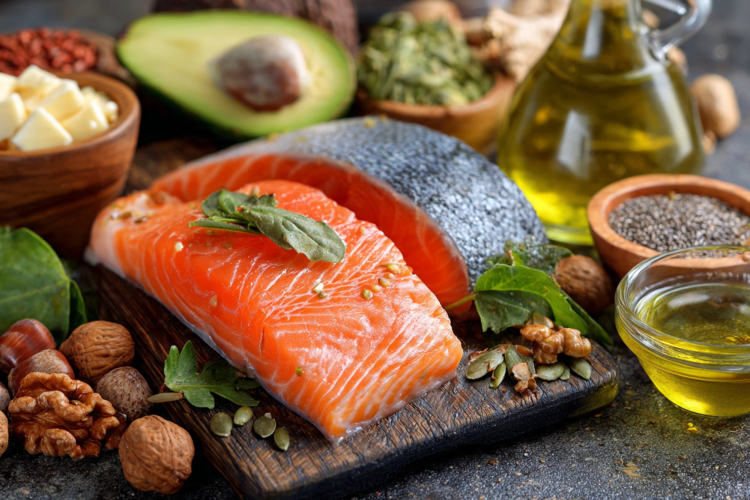
Healthy fats have gone from being something to avoid to something many people actively seek out. And this is for a good reason. While fat was once broadly labeled as "unhealthy," we now know that certain types play an essential role in supporting heart health, energy levels and overall nutrition.
Still, the details can be confusing. What’s the difference between monounsaturated and polyunsaturated fats? Which foods actually contain them? And how much fat should you be eating each day? In this guide, we break down what healthy fats are, why they matter and how to include them in your diet in a practical, balanced way.
- What Are Healthy Fats?
- Why Your Body Needs Fat
- Types of Fats Explained (Good vs Bad)
- 20 Foods High in Healthy Fats
- How Much Healthy Fat Should You Eat Per Day?
- How to Add More Healthy Fats to Your Diet
- Healthy Fats vs Unhealthy Fats: What to Avoid
- Are Healthy Fats Good for Weight Loss?
- Frequently Asked Questions About Healthy Fats
What Are Healthy Fats?
When you hear the phrase “healthy fat,” you’re probably hearing about unsaturated fats. Far from bad for you, these fats are nutritional powerhouses that lower cholesterol and impact cognitive and heart health as well as nutrient absorption. There are two types of these fats, monounsaturated and polyunsaturated; we’ll dive deeper into the benefits and best sources of these fats later.
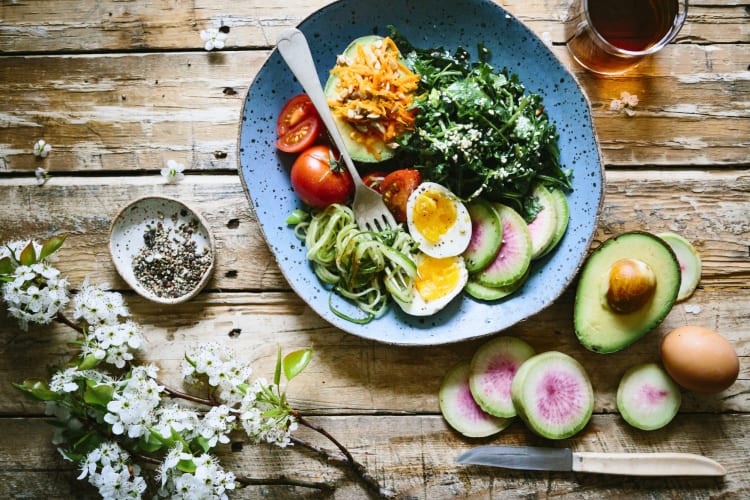
Why Your Body Needs Fat
Let’s get one thing out of the way from the start: the correct type of fat is not bad for you. You may have been told that fat causes weight gain or heart problems, and there is some truth to that idea, but this is a gross oversimplification that only takes unhealthy fats into account. In fact, an understanding of healthy fats is essential if you’re wondering how to start eating healthy. To debunk this often-repeated myth, we have to examine what makes a good vs a bad fat.
As mentioned before, “healthy” fats are monounsaturated and polyunsaturated. Contrasted with “bad” saturated fats, these are fats that lower cholesterol, help your body process key nutrients and compounds, and keep you satiated after you eat. Your body needs these fats to process Vitamins A, D, E, and K, and they also help to regulate hormones and maintain energy levels.
Your body needs fat to maintain optimal health. In order to eat healthy fats, though, you need a little bit of background knowledge. Let's unpack this further.
Types of Fats Explained (Good vs Bad)
Broadly speaking, there are four types of fat, two of which are healthy fats and two of which are best to limit or avoid.
Monounsaturated and polyunsaturated fats are the two healthy varieties: they’re naturally occurring and liquid at room temperature, which is how you know they’re unsaturated. We’ll explain the differences in monounsaturated vs. polyunsaturated fats a little later.
Less-healthy fats also come in two forms. Saturated fats are solids at room temperature and, though naturally occurring, best to limit. Finally, trans fats are primarily man-made and best avoided because they can raise your body’s levels of harmful LDL (bad) cholesterol.
The actual effects of different fats on the body are a little more nuanced than this, though. Here’s what you need to know about each type of fat in order to healthily incorporate it into your diet.

1. Monounsaturated Fats (The Everyday Healthy Fat)
Monounsaturated fats are one of the two healthy fats and the easiest to get from your everyday diet. They aid nutrient absorption and positively impact countless other bodily systems and processes.
Found in most unprocessed foods that contain natural fats, monounsaturated fats are everywhere. Examples of healthy fat-containing foods high in monounsaturated fat include:
- Most dairy products
- Avocadoes
- Olive oil
- Walnuts
- Sunflower seeds
- Peanuts
- Meat
These fats have been shown to lower artery-clogging LDL cholesterol, lowering risk of heart disease and stroke. These are also healthy fats for heart health. Especially of note for avid cooks is that many of the best oils for cooking healthy foods, including olive and peanut oil, are high in monounsaturated fats.
2. Polyunsaturated Fats (Including Omega-3s)
Polyunsaturated fats are the other healthy fat type, but their function in the body is very different from that of monounsaturated fats. That’s because the two kinds of compounds that contain polyunsaturated fats, Omega-3s and Omega-6s, are vital nutrients that the human body can’t produce on its own.
You’ve no doubt seen Omega-3 supplements for sale or heard about the importance of Omega-3 foods for overall health, but it’s less commonly known what they actually do. They curb inflammation throughout the body, reducing the risk of numerous health conditions. Omega-6s, on the other hand, lower LDL cholesterol, keep blood sugar levels in check, and improve circulation. Both are hugely important for heart health.
An optimally healthy diet will include both types of omegas. Omega-6 and Omega-3 foods high in polyunsaturated fats include:
- Salmon
- Pumpkin seeds
- Sunflower oil
- Flaxseeds
- Tuna
As a rule of thumb, oily fish, seed oils and many types of whole seeds are going to be the best sources of these fats. Omegas are also available as supplements, though it's always best to get them naturally through your diet if you can.
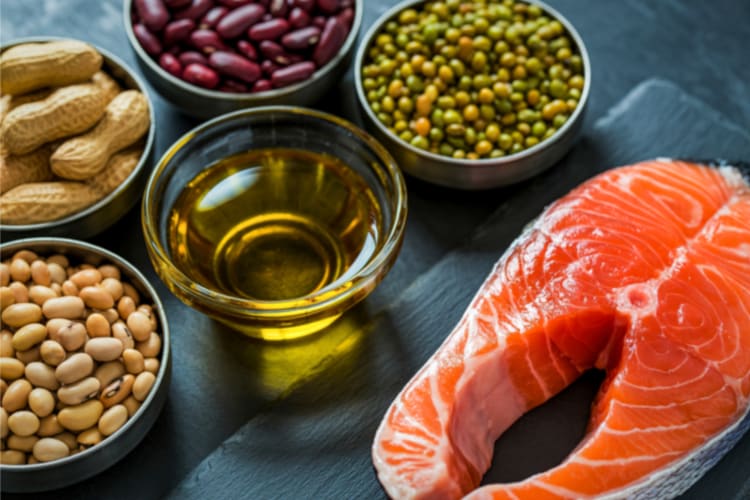
3. Saturated Fats (Limit, Not Eliminate)
Now we’re getting into the less-healthy fats. Saturated fats, which are identifiable by their generally solid state at room temperature, are frequently discussed as a nutritional no-go, raising harmful LDL cholesterol and subsequently the risk of heart disease and stroke.
It's important to know that saturated fats raise both good and bad cholesterol. So, it’s okay to consume the occasional treat containing saturated fats — as long as you watch your intake.
There are many foods that can be part of a healthy diet despite containing saturated fats. Some examples are:
- Cheese
- Beef
- Whole-milk dairy products
- Coconut oil
- Pork
None of these foods is unequivocally “bad for you,” but portion control matters when consuming saturated fats. So, are saturated fats bad for you? Yes and no – it’s all about moderation.
4. Trans Fats (Avoid Completely)
Trans fats have so many potential adverse health impacts that the U.S. Food and Drug Administration has banned their use in foods sold in the United States. Even if you do encounter them, they’re best avoided due to their hugely adverse impacts on LDL cholesterol levels and heart health.
20 Foods High in Healthy Fats
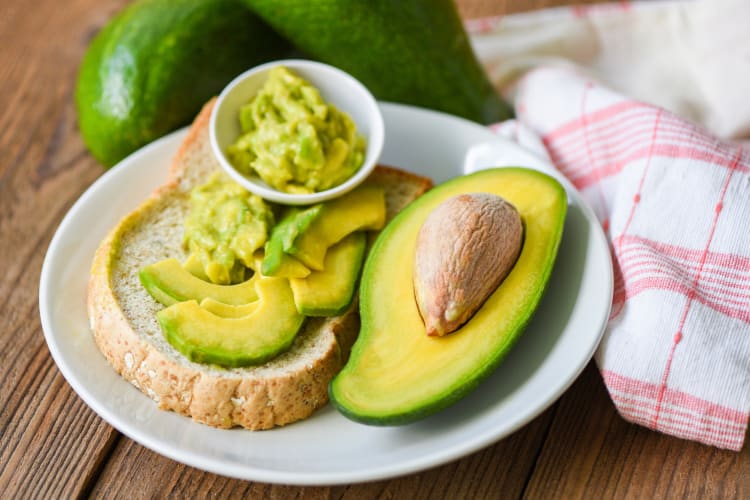
1. Avocados
Obsessed about avocado toast? Then you're in luck. The suave, ever-popular avocado is one of the hands-down best sources of monounsaturated fats and the key ingredient for countless healthy snacks, brunch favorites and midday meals. No list of healthy fats would be complete without it, both because of the nutritional punch it packs and because it’s so versatile and easy to use.
With one of the highest concentrations of monounsaturated fat in any food, measuring roughly 20-30g per fruit, the avocado is a great defense against harmful LDL cholesterol, which routinely tops lists of the best healthy fat foods for heart health. It is important to note, however, that avocados are also high in calories, and you’ll want to watch your portions if you’re trying to lose weight.
Moreover, avocados are very easy to use. Avocado toast has lately been a foodie fad, but it can just as easily be added to salads, sandwiches or even soups. As long as you switch the chips for something a little healthier, guacamole is one of the most crowd-pleasing healthy appetizers out there.
2. Olive Oil
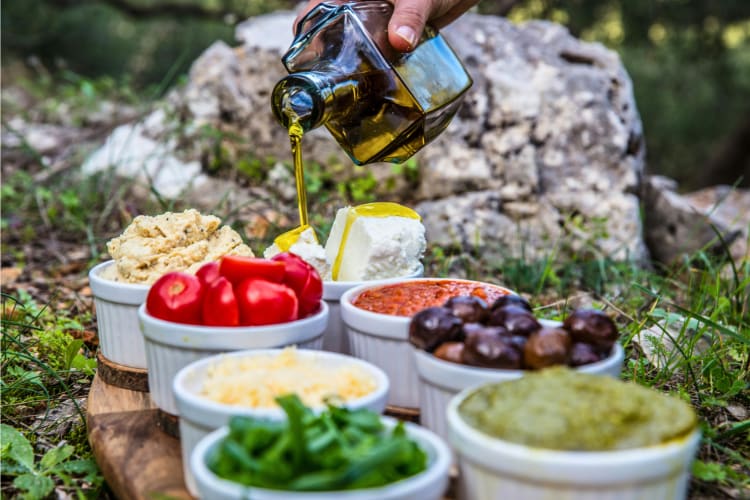
Another well-known source of monounsaturated fats, olive oil is just as powerful as avocado for combating bad cholesterol buildup, but even more versatile. Moreover, its anti-inflammatory properties benefit the brain, and it’s one of the best healthy fats for heart health. The frequent use of olive oil is one of the main reasons that the Mediterranean diet is said to be so healthy, and is perhaps the best oil for cooking with healthy fats.
Using olive oil is easy, too. It can be used almost any time you want to cook with oil (though it’s better to use regular rather than extra-virgin oil if you’re going to heat it), or as the base for a salad dressing. Many baking recipes also work well with olive oil, substituting for a less-healthy fat like butter or vegetable oil, though you should note it’ll probably change the flavor of the finished product, since olive oil has a less neutral taste than more common baking fats. And, of course, there is the Italian standby of using it as a condiment for bread — for nutritional purposes, it beats butter any day of the week.
3. Salmon
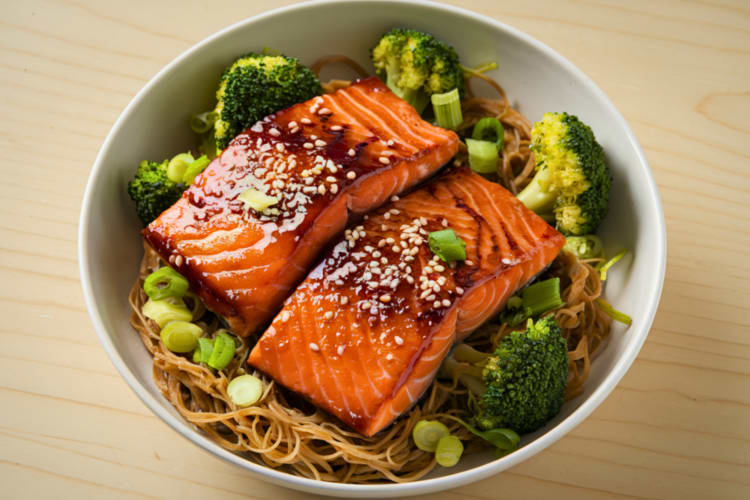
If you’re trying to eat more Omega-3s, salmon will likely be one of the first foods people recommend to you. Salmon is among the best sources of polyunsaturated fats, and if you struggle to get enough Omega-3s, it’s probably the best way, short of supplementing, to meet your body’s needs. So if you’re looking to get more healthy fats in your diet, you should consider picking up a pack of salmon fillets in the freezer aisle next time you go to the supermarket.
And the best part? Salmon is a meal-prepper’s dream. There are almost endless ways to prepare and consume it, from baking it with vegetables to using it as a bagel topping, and it’s frequently sold pre-portioned in the frozen section of grocery stores for even more versatility.
4. Walnuts
Ask around about healthy fats, and you’ll find that a lot of people’s favorite healthy fat examples are various types of nuts. And if you aren’t a big seafood person, walnuts might just be your best shot at getting enough Omega-3s without taking a supplement. They’re known for their rich source of a very important Omega-3 called ALA (alpha-linolenic acid), which reduces inflammation, and they’ve been shown to lower harmful LDL cholesterol, too.
Walnuts are a very easy way to get Omega-3s into your diet, partly because you don’t have to prepare them at all. Buy a bag of plain walnuts, and you’ve already got a healthy, fat-rich snack, no additions needed. That said, they’re also a great salad topping and work well in many baked goods. Note that walnuts — like most nuts — are very high in calories, so pay attention to serving sizes.

5. Almonds
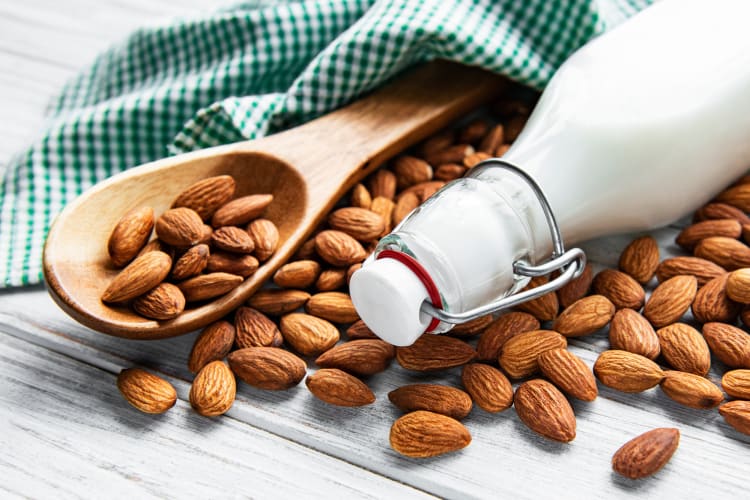
Nuts are going to show up over and over again on any list of healthy fat-rich foods, but not all nuts have the same benefits. In the case of almonds, you'll load up on monounsaturated fats when you grab a handful.
These monounsaturated fats lower LDL cholesterol and can help you feel energized and stay fuller than a typical carbohydrate-based snack might. They’re also high in protein and fiber, making almonds an all-around nutritional heavy hitter that requires no preparation but is nevertheless as versatile as it gets.
Like walnuts, almonds work well as a snack on their own, but they’re also a good garnish or addition to salads, baked goods, and anything else that needs a little bit of crunch.
6. Chia Seeds
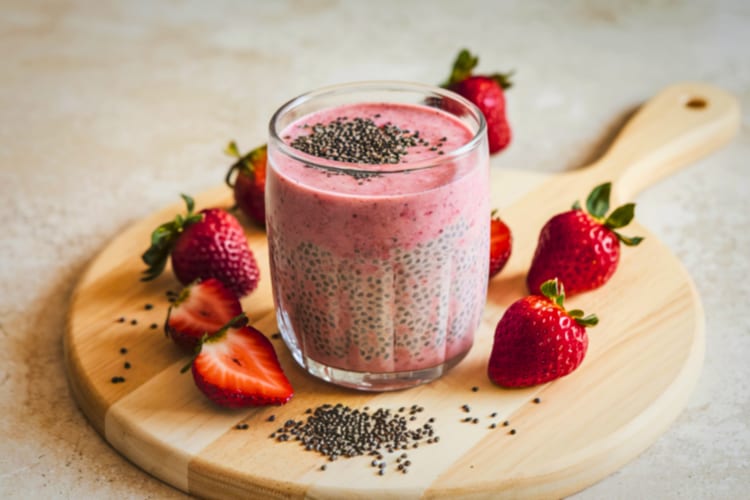
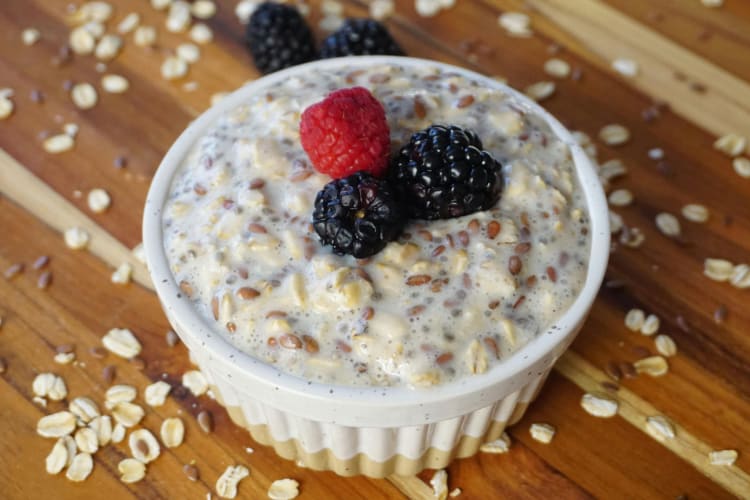
With the meteoric rise of chia pudding in recent years, trend-savvy foodies will be glad to know that the tiny seeds of this Central American wonderplant have genuine health benefits. Chia seeds are an amazing source of polyunsaturated fats, especially the Omega-3 ALA, so if you need some of the anti-inflammatory benefits of Omega-3s in your life, that viral chia pudding recipe you saw on Instagram this morning might just be the ticket. All those influencers were right about one thing: the healthy fats in chia pudding make it a nutritional superstar.
While the aforementioned chia pudding has recently become the best-known way to eat chia seeds, it’s far from the only option. You can also add them to oatmeal, yogurt, or a smoothie for some extra texture. Just keep in mind that chia seeds are also very high in fiber, so if you aren’t used to high fiber intake, don’t go too wild with the chia seeds right away, or you might end up with a stomachache.
7. Flaxseeds
Another trending seed product with lots of healthy fat is the flaxseed. Like chia seeds, it’s full of ALA Omega-3s, so it offers many of the same benefits and is a good alternative if the texture of chia (or any of its typical preparations) isn't your favorite. It should be stated that whole flaxseeds are hard for humans to digest, so you’ll get the most useful healthy fat out of a serving of flaxseeds if you grind them first.
Flaxseed is also a bit more versatile than chia seeds, since it can be ground into a flour-like substance. You can use it as a partial substitute for wheat flour in many baked goods, or as a breading for fish or meat. Sprinkle some in a smoothie to round out its nutritional profile, perhaps, or even use it as an egg substitute: when combined with water in a specific ratio, flaxseeds can take the place of eggs in vegan baked goods.
8. Sardines
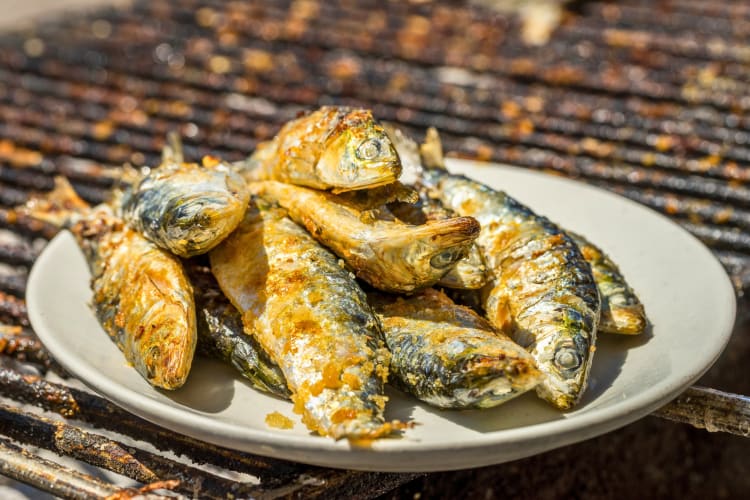
Sardines are another of the many oily fish rich in healthy polyunsaturated fats. They’re rich in many omega-3 fatty acids, which are polyunsaturated fats that support brain health, and, like all polyunsaturated fat-rich foods, they have anti-inflammatory properties and reduce LDL cholesterol levels. And, of course, they’re high in lean protein, which makes them especially filling and a great way to round out two macronutrient goals in one.
Sardines may be a little polarizing, but there are enough ways to prepare them that you might be able to be convinced of their merits. They’re popular on pizza or salad, and some enjoy them as an addition to pasta dishes or on crackers as a snack.
9. Mackerel
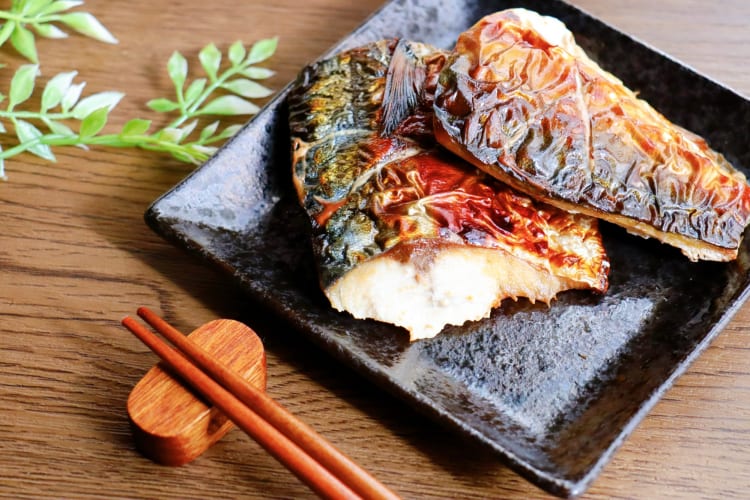
If you really need a heavy dose of Omega-3s, turn to mackerel. Widely known as one of the best healthy fats for brain health, mackerel is very high in polyunsaturated fats, and more specifically in Omega-3s. Thus, you’ll get all the anti-inflammation benefits of Omega-3s and the cholesterol-lowering power of both polyunsaturated and monounsaturated fats in one seafood meal.
Mackerel also makes a substantial, high-protein entree that you can prepare in a number of ways. Baking, barbecueing, and pan-frying are all tasty ways to cook up a mackerel filet; pair with some roasted vegetables for a tasty, nutritional knockout of a meal.
10. Dark Chocolate
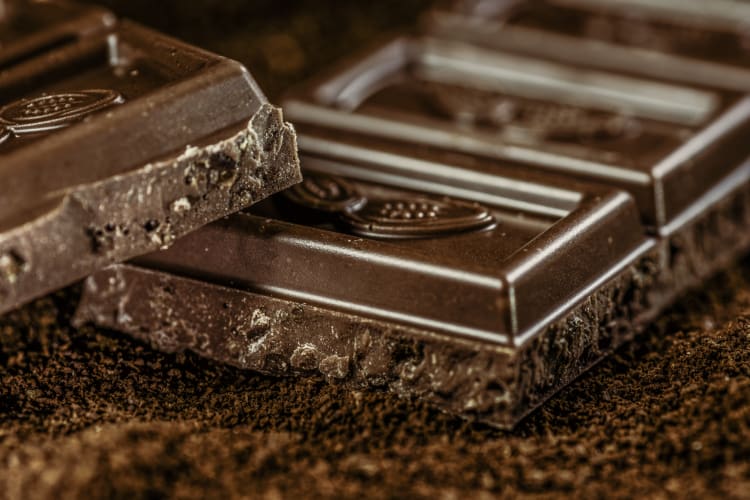
Shockingly, yes: one of the best healthy fats for heart health, lowering inflammation, and keeping your LDL cholesterol levels down is, in fact, chocolate! While you shouldn’t take this as carte blanche to treat chocolate as a healthy snack, dark chocolate is actually rich in healthy fats. That’s thanks to oleic acid, a monounsaturated fat linked to lower cholesterol. Dark chocolate also has antibiotic properties, so you wind up with a surprising superfood.
If you’re aiming to find a way to eat healthy fats for weight loss, you’ll definitely want to limit your chocolate consumption. But if you’re just hoping to incorporate healthy fats into your everyday diet, baking with dark chocolate (as long as it’s really dark — think 70% cacao or more) is possibly the most fun way to eat more healthy fats.
11. Eggs
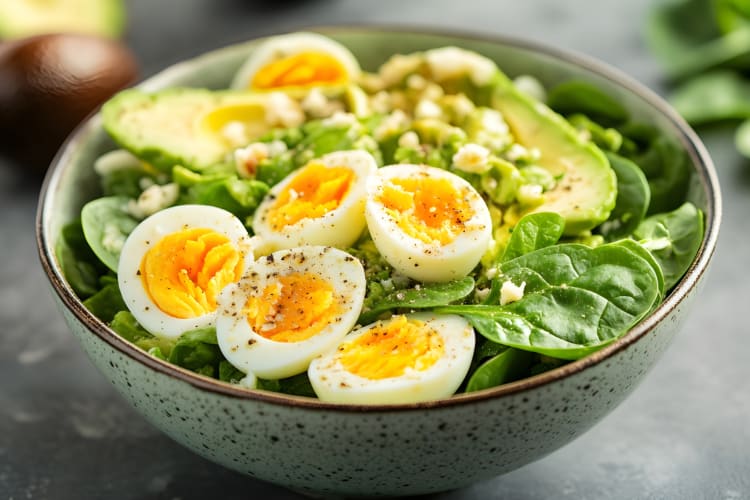
Eggs are often considered a benchmark for a balanced breakfast, and much of that comes down to their fat profile. While eggs do contain fat, the majority is unsaturated fat. A single large egg also delivers around 6 grams of high-quality protein, along with nutrients like choline and vitamin D, making it more nutritionally complete than many quick breakfast options.
It’s worth noting that nearly all of an egg’s fat and nutrients are found in the yolk, not the white. For years, dietary advice focused on limiting egg yolks due to their cholesterol content, but current guidance from organizations such as the American Heart Association suggests that, for most people, eggs can be included in moderation without significantly affecting heart health.
Cooking method matters too. Boiling or poaching keeps added fats to a minimum, while frying in butter or processed oils can shift the overall nutritional profile.
12. Full-Fat Yogurt
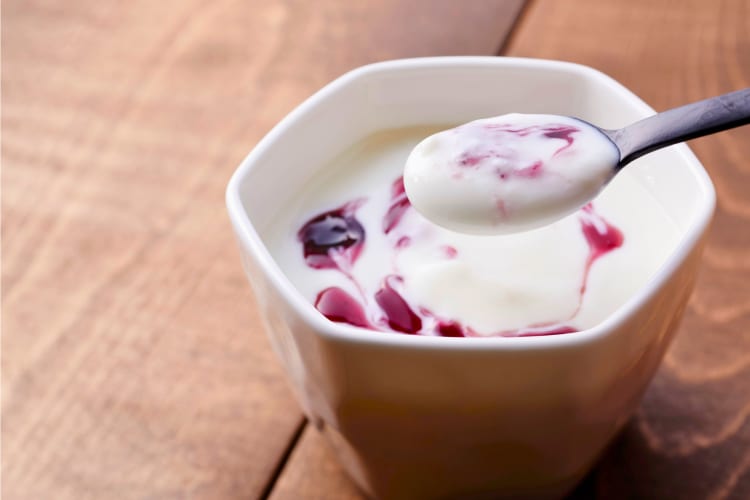
Skip the nonfat options next time you’re shopping because full-fat yogurt offers more than just a creamier texture. While it contains some saturated fat, it also provides beneficial nutrients such as protein, calcium and probiotics, which support gut health and may help with satiety. The fat content can also slow digestion slightly, helping you feel fuller for longer. When choosing a yogurt, look for options with minimal added sugar to get the most nutritional benefit from its naturally occurring fats.
13. Tofu
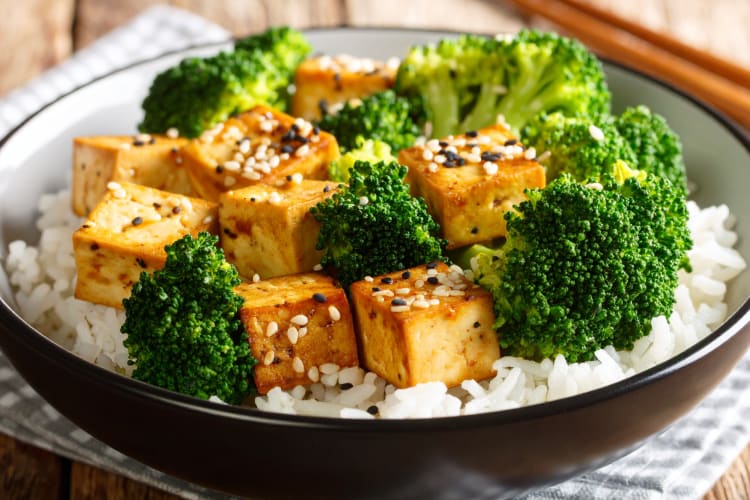
Tofu is a versatile, plant-based protein that delivers a mix of polyunsaturated and monounsaturated fats without many of the downsides associated with processed or fatty meats. It’s also a good source of essential nutrients like iron and calcium (when fortified), making it a strong option for balanced eating. Some research suggests that incorporating soy-based foods like tofu into your diet may help support healthy cholesterol levels, especially when used to replace higher-saturated-fat protein sources.
14. Peanut Butter
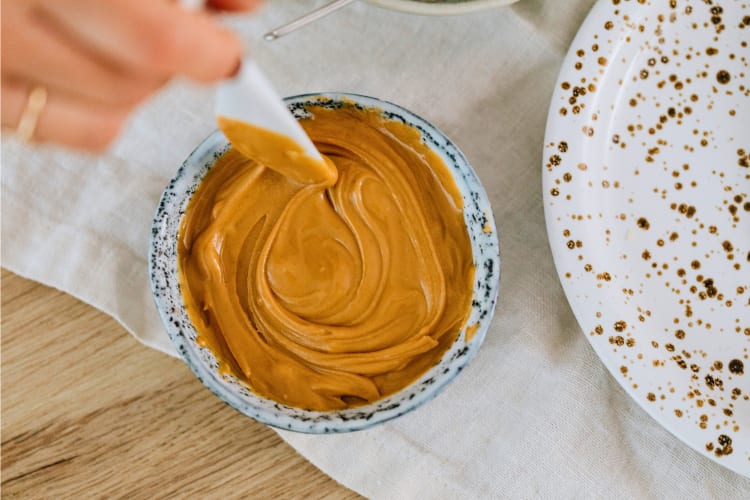
Not all peanut butters are created equal. Wide commercial varieties include added sugars and hydrogenated oils, which can shift the fat profile away from the naturally occurring healthy fats found in peanuts. Opt for versions made with just peanuts, and maybe a pinch of salt, to get the best balance of monounsaturated and polyunsaturated fats. Peanut butter is also rich in protein and fiber, making it a satisfying addition to meals or snacks, but portion size matters since it’s calorie-dense.
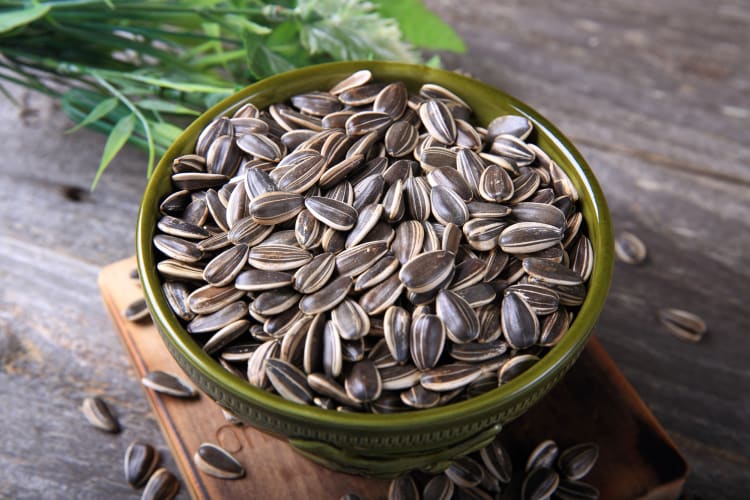
15. Sunflower Seeds
Whether eaten on their own or sprinkled over salads and soups, sunflower seeds are a convenient way to add healthy fats to your diet. They’re primarily rich in monounsaturated fats, which are associated with supporting healthy cholesterol levels and reducing inflammation. Sunflower seeds also provide vitamin E and other antioxidants, making them a small but nutrient-dense addition to meals. Sunflower oil shares a similar fat profile, though less processed versions are generally the better choice for retaining nutritional value.
16. Pumpkin Seeds
Another seed punching above its nutritional weight in the healthy fat category is the pumpkin seed, an ever-popular autumnal garnish used on everything from salads to baked goods, and it is just as tasty when toasted and eaten on its own. Pumpkin seeds may be small, but they deliver a strong mix of polyunsaturated fats along with nutrients like magnesium, zinc and plant-based protein. They’ve long been used in traditional diets, and today they’re valued for their potential to support heart health and overall nutrition. Enjoy them toasted as a snack or added to salads, oats or baked goods for an easy boost of healthy fats and texture.

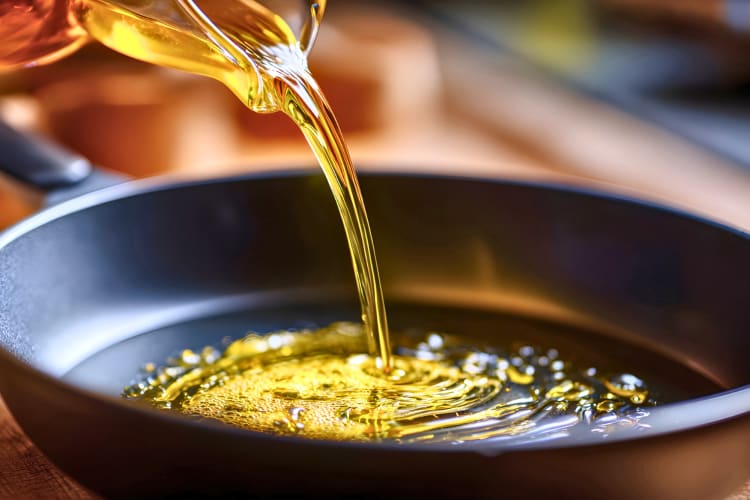
17. Canola Oil
Despite some skepticism about seed oils, canola oil remains one of the more balanced options in terms of fat composition. It contains a mix of monounsaturated and polyunsaturated fats, including omega-3 fatty acids, and is relatively low in saturated fat compared to many other cooking oils. Its neutral flavor and moderately high smoke point make it a practical choice for everyday cooking, from sautéing to baking. As with any oil, moderation is key, but canola oil can fit into a heart-conscious diet when used appropriately.
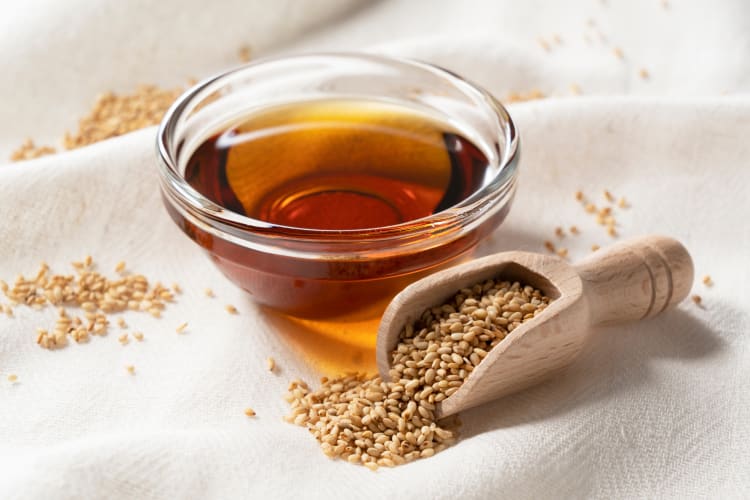
18. Sesame Oil
While not as neutral-tasting as canola oil, sesame oil is another cooking oil rich in healthy fats that you might opt for if you’re trying to shift your fat intake away from saturated fats. More than 80% of its fat content is unsaturated, including a mix of monounsaturated and polyunsaturated fats that can support heart health when used in place of saturated fats. Its distinct, nutty taste makes it better suited to dressings, sauces and light sautéing rather than high-heat frying, where its flavor can overpower a dish.
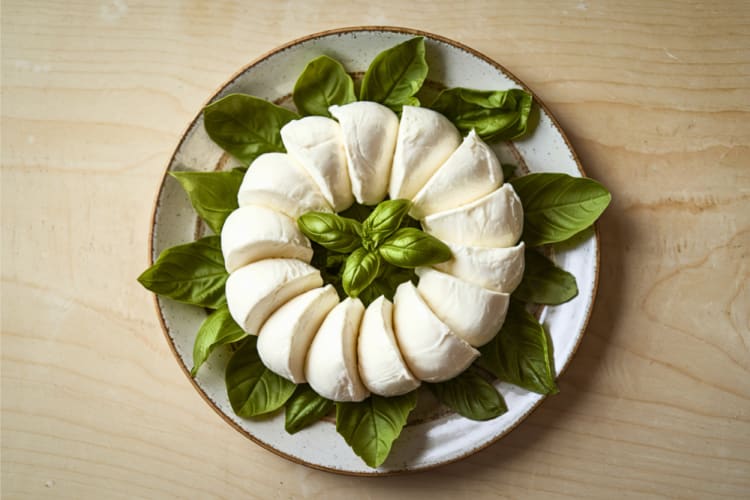
19. Cheese (In Moderation)
Cheese can absolutely fit into a healthy-fat-focused diet, but the key is portion size. While it does contain saturated fat, it also provides protein, calcium and other nutrients that contribute to satiety and overall nutrition. Small amounts of flavorful cheeses, especially when paired with whole foods like vegetables or whole-grain crackers, can add richness and help make meals more satisfying without overdoing it.
Here's our breakdown of the types of cheese and their specific fat content:
Soft and rich cheeses are typically the most concentrated sources. These are more energy-dense and can add up quickly in terms of saturated fat, especially when eaten in larger portions. They include:
- Brie and Camembert
- Cheddar (especially aged varieties)
- Cream cheese
- Blue cheese
Some cheeses are generally lighter or easier to portion, tend to have slightly less saturated fat per serving, or are naturally portion-controlled, making them easier to include in a balanced diet. These cheeses include:
- Mozzarella (especially fresh or part-skim)
- Feta
- Ricotta
- Cottage cheese
But what actually matters more is portion size. Even higher-fat cheeses can fit into a healthy diet in small amounts. So, the context of your overall diet matters more than one food. Pairing cheese with fiber-rich foods (like vegetables or whole grains) can help balance meals. So the bottom line is that you don’t need to “avoid” cheese altogether, just treat richer varieties as occasional additions rather than everyday staples.
20. Olives
Snack on them whole, throw them on a salad — olives are a simple, whole-food source of monounsaturated fats. It's actually the same type found in olive oil, which is linked to supporting healthy cholesterol levels. They’re also rich in antioxidants and naturally low in carbohydrates, making them a smart option for a savory snack. Whether added to salads, grain bowls or eaten on their own, olives offer a flavorful way to incorporate more heart-healthy food into your diet.

How Much Healthy Fat Should You Eat Per Day?
How much fat you should eat each day depends on your overall calorie intake, which is influenced by factors like activity level, age and health goals. As a general guideline, dietary fat should make up around 20–35% of your total daily calories. On a 2,000-calorie diet, that works out to roughly 44–77 grams of fat per day.
Rather than focusing only on the total amount, it’s also important to consider the type of fat you’re eating. Emphasizing unsaturated fats — like those found in olive oil, nuts, seeds and fatty fish — while keeping saturated fats in moderation is a widely recommended approach for supporting overall health.
How to Add More Healthy Fats to Your Diet
In many cases, adding healthier fats is easier than eliminating less beneficial ones. Small, practical swaps can make a noticeable difference over time.
1. Swap Butter for Olive Oil
Butter is higher in saturated fat, while olive oil is rich in monounsaturated fats. Use olive oil for sautéing, roasting or finishing dishes where its flavor complements the ingredients.
2. Add Seeds to Everyday Meals
Seeds like flax, chia and sunflower are easy to incorporate into meals without much effort. Sprinkle them over oatmeal, yogurt, salads or soups for a quick boost of healthy fats, fiber and nutrients.
3. Snack Smarter
Nuts, seeds and natural nut butters (made with minimal ingredients) are convenient, portable options that provide a mix of healthy fats, protein and fiber. Keep portions in mind, as they are calorie-dense.
4. Choose Better Cooking Oils
Opt for oils that are higher in unsaturated fats, such as olive, canola or avocado oil. Each has a different flavor and smoke point, so choosing the right one depends on how you’re cooking.
5. Build Meals Around Whole Foods
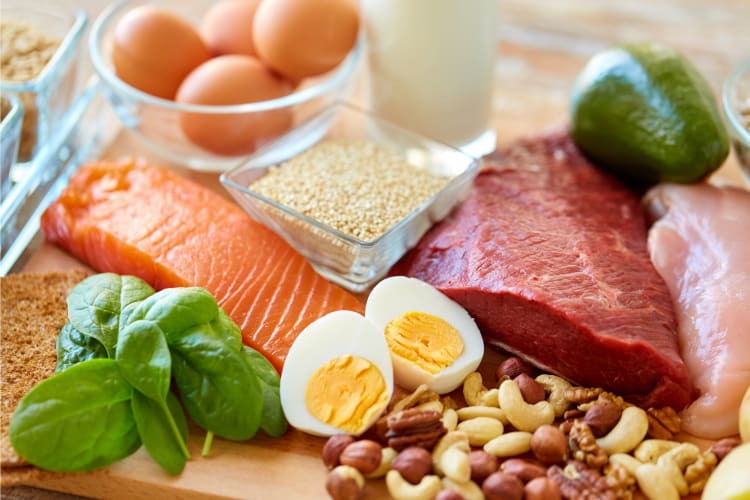
Ultimately, healthy fats are natural fats. Our bodies respond best to natural foods, and although portion control is still necessary for some foods high in healthy fats, you’ll never really go wrong with sticking to whole foods if your goal is to incorporate healthy fats into your diet. It’s in those natural products that you’ll find the most healthy fats and the least unhealthy ones. Think of foods found in nature: fruits and vegetables, unprocessed meat and dairy products, nuts, and so on. Generally, focusing on whole foods helps create a more balanced and sustainable approach to eating.
Healthy Fats vs Unhealthy Fats: What to Avoid
1. Processed and Fried Foods
Just like our bodies run best on natural fuel, it’s very important to avoid the unhealthy fats found in processed foods, especially if they’re fried, when possible. Highly processed and deep-fried foods are often the biggest sources of less beneficial fats, including trans fats and higher levels of saturated fat. These foods are also calorie-dense and low in nutritional value, which can make it harder to maintain a balanced diet. Limiting items like fast food, packaged snacks and commercially fried foods is a practical way to reduce intake of these fats.
2. Hydrogenated Oils
Hydrogenated oils are created by altering liquid oils to make them more shelf-stable. This process produces trans fats, which are strongly associated with increased risk of heart disease. While many countries have reduced or banned artificial trans fats, they can still appear in some processed and baked goods. Checking ingredient lists for terms like “partially hydrogenated oils” can help you avoid them.
In an effort to extend the shelf life of food products, food scientists have modified many oils to make them more stable over long periods. These are called hydrogenated oils, and they’re full of heart-damaging trans fats. This process produces trans fats, which are strongly associated with increased risk of heart disease. You’ll find them most frequently in fried foods, anything ultra-processed, and commercially-prepared baked goods. It’s best to avoid these as much as possible.
While many countries have reduced or banned artificial trans fats, they can still appear in some processed and baked goods. Checking ingredient lists for terms like “partially hydrogenated oils” can help you avoid them.
3. Excess Saturated Fat
Saturated fat isn’t something you need to eliminate entirely, but it’s worth keeping in moderation. Diets high in saturated fat have been linked to higher LDL cholesterol levels, which may affect heart health over time. Focusing more on unsaturated fats, like those found in nuts, seeds, fish and plant oils, is generally considered a more balanced approach.

Are Healthy Fats Good for Weight Loss?
Healthy fats can play a useful role in weight loss, but they’re not a shortcut. One of their biggest benefits is satiety. This means that fats slow digestion and can help you feel fuller for longer, which may reduce overall snacking and calorie intake. Essentially, they prevent our blood sugar from spiking the way carb-heavy foods do, only to crash and leave us feeling hungry again not much later. When paired with protein and fiber, they can also help support more stable energy levels throughout the day.
That said, fat is the most calorie-dense macronutrient, providing about 9 calories per gram compared to 4 calories per gram for carbohydrates and protein. Because of this, portion size matters. Even nutrient-dense sources like nuts, oils and nut butters can contribute to excess calorie intake if eaten in large amounts.
Ultimately, weight loss comes down to maintaining a consistent calorie deficit over time. Healthy fats can support that process by making meals more satisfying and sustainable. But like any macronutrient, they work best when consumed in balanced amounts.
Frequently Asked Questions About Healthy Fats
What Are The Healthiest Fats To Eat?
Monounsaturated and polyunsaturated fats are generally considered the healthiest types of dietary fat. These are found in foods like fatty fish, nuts, seeds and plant oils, and are associated with supporting heart health when they replace higher intakes of saturated fat.
What Is The Difference Between Good And Bad Fats?
“Good” fats typically refer to unsaturated fats, which are usually liquid at room temperature and can help support healthy cholesterol levels when consumed in place of saturated fats. “Bad” fats most often refer to trans fats, which are strongly linked to negative heart health outcomes. Saturated fats fall somewhere in between. They can be part of a balanced diet, but are best consumed in moderation.
Are Eggs Considered Healthy Fats?
Eggs contain a mix of fats, including both unsaturated and saturated fat, along with high-quality protein and essential nutrients. While they do contribute some healthy fats, they’re better thought of as a nutrient-dense whole food rather than a primary source of healthy fats. For most people, eggs can be included in moderation as part of a balanced diet.
Can You Eat Too Much Healthy Fat?
Yes. Even healthy fats are calorie-dense, providing about 9 calories per gram. Eating large amounts — even from nutritious sources like nuts, seeds or oils — can lead to excess calorie intake. Balance and portion size are key.
What Are The Best Oils For Cooking?
The best oils for cooking are those higher in unsaturated fats, such as olive oil, canola oil and avocado oil. The right choice also depends on how you’re cooking. For example, some oils are better suited to high-heat cooking, while others work best in dressings or light sautéing.
Healthy fats don’t need to complicate the way you eat. They’re simply one piece of a more balanced approach to food. Rather than overthinking every gram, it’s more useful to focus on patterns: choosing whole foods more often, cooking with oils rich in unsaturated fats and adding nutrient-dense ingredients like nuts, seeds and fish where they naturally fit. These small, consistent choices tend to have a greater impact than following rigid rules.
Over time, those habits can support everything from satiety and energy levels to heart health. The goal isn’t to eliminate certain fats entirely or chase “perfect” meals, but to create a way of eating that’s sustainable and satisfying. When healthy fats are part of that foundation, together with protein, fiber and a variety of whole foods, they help round out a diet that works in the long term, not just on paper.
For even more ways to add the healthiest food options to your diet, check out other experiences happening on Cozymeal!