12 Healthiest Soda Alternatives According to a Nutritionist in 2026


If you find yourself reaching unconsciously for a can of Coke whenever thirst strikes, then you may well need to consider swapping it out for one of the healthiest soda alternatives.
Regular Coca-Cola, like many sodas, is packed with added sugar — about 39 grams per 12-ounce can — which can bring you close to the recommended daily limit for added sugar in just one drink.
While it can be enjoyed as an occasional treat within an overall balanced diet, most nutrition professionals would not recommend having it on a regular basis. So, what are the healthiest soda alternatives?
How can you quash your carbonated cravings without compromising your health goals? Don’t worry, backed by a nutritionist, this guide to choosing healthy substitutes for soda is here to help. As you’ll see below, the list is surprisingly varied and it caters to a wide range of tastes and palates.
- The 12 Healthiest Soda Alternatives
- What Is the Healthiest Alternative to Soda?
- How We Choose the Healthiest Soda Alternatives
The 12 Healthiest Soda Alternatives
1. Sparkling Water
Sparkling water is a simple, healthy drink and one of the healthiest soda alternatives. Like plain water, it typically has zero calories, fat, carbs and sugar, and most plain versions also have little to no sodium.
It’s also perfect for those whose inner child can’t help but crave carbonation. What makes it a strong soda swap is that you keep the fizz without the added sugar and extra calories that come with most soft drinks.
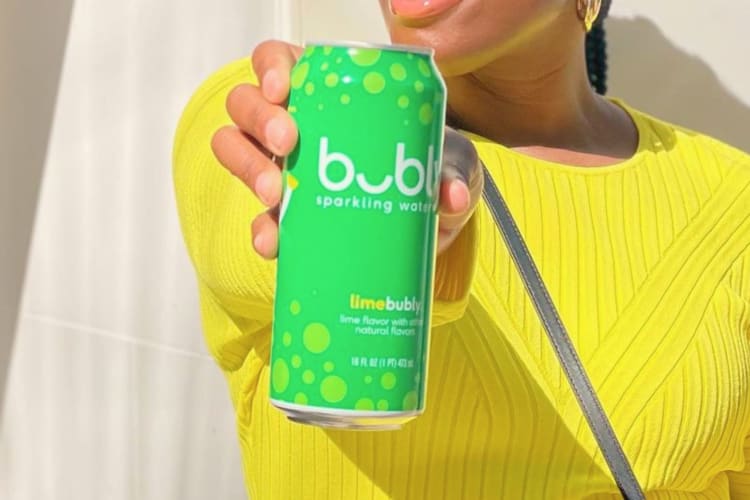
Check labels for flavored options, since some include sodium or other additives. If you’re looking for the best sparkling water to start with, Bubly is widely available and has zero calories and no sugar.
Bubly Lime Sparkling Water Nutritional Info (per 12 fl oz serving size)
- Calories: 0
- Total Fat: 0 grams
- Sodium: 0 milligrams
- Carbohydrates: 0 grams
- Dietary Fiber: 0 grams
- Total Sugar: 0 grams
- Added Sugar: 0 grams
- Protein: 0 grams
- Caffeine: 0 milligrams
2. Infused Water
Infused water is another of the healthiest soda alternatives. Generally speaking, infused water contains far less sugar and fewer calories than regular soda, especially when it’s made without added sweeteners.
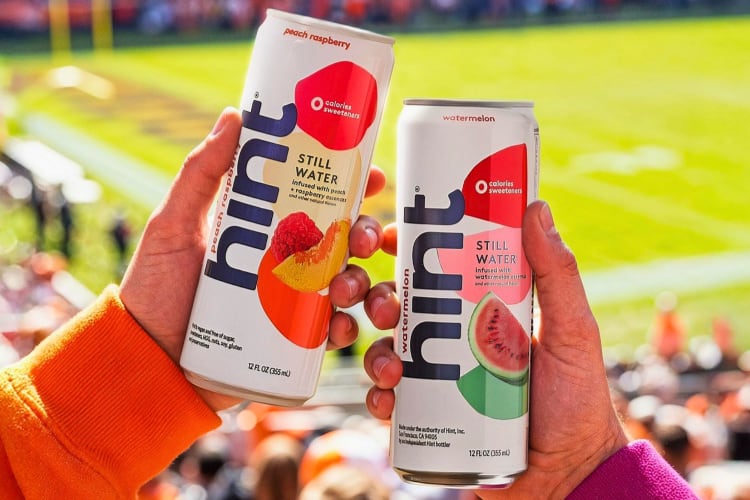
Some varieties, like Hint Water’s pineapple or watermelon bottles, have zero calories, zero grams of sugar and zero sodium per 16 fluid ounce serving.
As with other flavored drinks in this guide, it’s worth paying attention to the nutrition label. Different manufacturers follow different recipes and some infused waters include added sugars or flavorings that can change the overall profile.
In other words, while infused water can be one of the healthiest soda alternatives, how well it fits your needs depends on the specific ingredients used to make it.
Watermelon Hint Water Nutritional Info (per 16 fl oz serving size)
- Calories: 0
- Total Fat: 0 grams
- Sodium: 0 milligrams
- Carbohydrates: 0 grams
- Dietary Fiber: 0 grams
- Total Sugar: 0 grams
- Added Sugar: 0 grams
- Protein: 0 grams
- Caffeine: 0 milligrams
3. Unsweetened Iced Tea
The important distinction to make here is that, in order for it to qualify as one of the healthiest soda alternatives, your iced tea must be unsweetened. This rules out many bottled versions, including popular lemon iced teas that often contain upward of 25 grams of sugar per serving.
Fortunately, there are plenty of unsweetened iced teas to choose from, including one you can order at the drive-thru. Unsweetened iced tea is one of the healthiest items at McDonald’s and one of the healthiest soda alternatives because a small unsweetened iced tea contains 0 calories, 0 grams of total fat, 0 grams of carbohydrates and 0 grams of total or added sugar.
It also has just 10 milligrams of sodium, or about 1% of the daily value, plus 1 gram of protein. It’s worth remembering that not every unsweetened iced tea will match this exact profile.
Different manufacturers use different tea blends, flavorings or additives, so checking the label helps you see whether a particular option fits your needs.
But if you’re looking for a healthy drink to replace soda and McDonald’s isn’t on your route, it’s safe to assume that most unsweetened iced teas at your local store can still rank among the healthiest soda alternatives based on their overall nutrition.
McDonald’s Small Unsweetened Iced Tea Nutritional Info (per 16 fl oz serving size)
- Calories: 0
- Total Fat: 0 grams
- Sodium: 10 milligrams (1% DV)
- Carbohydrates: 0 grams
- Dietary Fiber: 0 grams
- Total Sugar: 0 grams
- Added Sugar: 0 grams
- Protein: 1 gram (1% DV)
- Caffeine: 25 milligrams

4. Hot Herbal Tea
Another strong contender for the title of healthiest soda alternatives, hot herbal tea is generally low in calories, fat and carbohydrates when it’s made without added sweeteners.
Many herbal blends are naturally caffeine-free, and if you prefer to avoid caffeine entirely, you can choose one of the best teas for sleep, such as pure chamomile.
That said, not all herbal teas share the same nutrition profile. Ingredients vary widely from blend to blend, and some packaged or café versions include sweeteners or flavorings that add sugar. Even unsweetened herbal teas can contain small amounts of naturally occurring carbohydrates, depending on the herbs or fruit pieces used.
If you choose a simple blend without added sugars or syrups, hot herbal tea can be a straightforward way to replace soda and one of the healthiest soda alternatives. Many cafés also offer unsweetened options, and hot herbal tea is often among the healthiest Starbucks drinks for anyone looking for a warm, low-calorie drink.
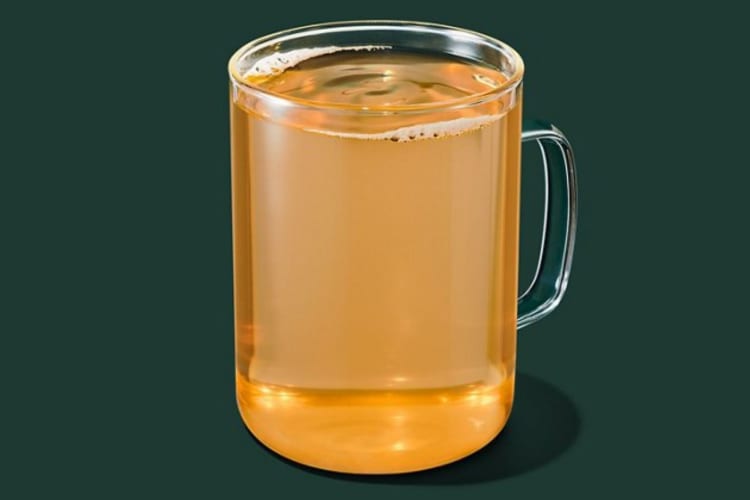
Starbucks Chamomile Mint Blossom Tea Nutritional Info (per 16 fl oz serving size)
- Calories: 5
- Total Fat: 0 grams
- Sodium: 0 milligrams
- Carbohydrates: 1 gram
- Dietary Fiber: 0 grams
- Total Sugar: 0 grams
- Added Sugar: 0 grams
- Protein: 0 grams
- Caffeine: 25 milligrams
5. Coconut Water
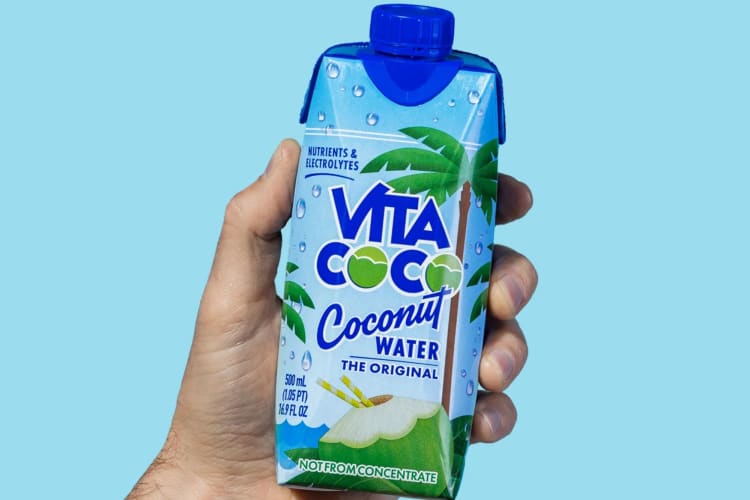
Containing zero fat and a modest number of calories (depending on the brand), pure coconut water is another of the healthiest soda alternatives. A big tick in its favor is that it’s incredibly refreshing.
It also naturally contains electrolytes such as potassium, along with small amounts of sodium and magnesium, which is one reason it’s often included among the healthiest soda alternatives. It usually has less sugar than regular soda, though it still contributes natural sugars to your day.
It may not be the best choice for anybody following a keto diet, since one cup typically contains around 9 to 11 grams of carbohydrates from natural sugar. For most people who are not strictly limiting carbs, it can be a reasonable swap in place of soda when enjoyed in moderation as part of a balanced diet.
The key to ensuring you don’t accidentally overconsume is to choose coconut water, not coconut milk or sweetened coconut beverages, especially if you’re aiming for one of the healthiest soda alternatives. The two are quite different products, and while coconut milk has its place in cooking, it can contain a much higher amount of fat and calories.
Vita Coco Coconut Water Nutritional Info (per 8 fl oz serving size)
- Calories: 45
- Total Fat: 0 grams
- Sodium: 15 milligrams (1% DV)
- Carbohydrates: 11 grams (4% DV)
- Dietary Fiber: 0 grams
- Total Sugar: 10 grams
- Added Sugar: 1 gram (2% DV)
- Protein: 0 grams
- Caffeine: 0 milligrams
6. Kombucha
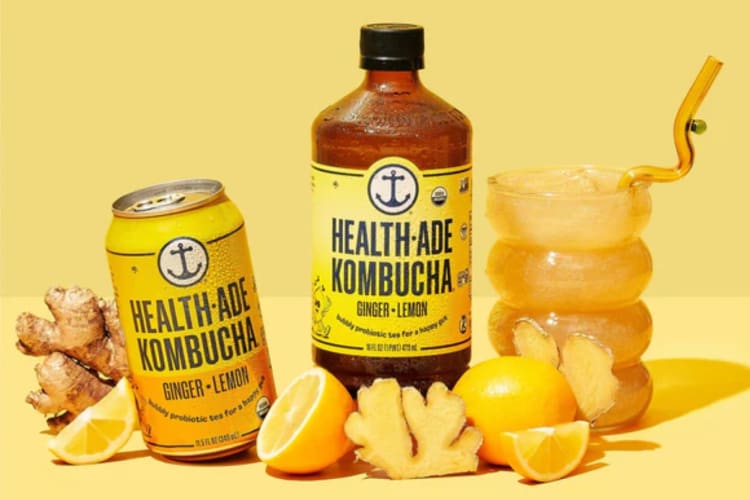
Known for its tangy flavor and fermentation process, kombucha has gained popularity in recent years, and many people reach for it when looking for the healthiest soda alternatives. It’s made by fermenting tea with sugar and a culture of yeast and bacteria, which means it often contains probiotics.
Because recipes vary, kombucha should still be enjoyed in moderation, as even the best kombucha drinks can contain added sugars and small amounts of caffeine. Some products are promoted for benefits like supporting digestion, but these claims are not fully established and can differ from brand to brand.
What’s more consistent is that kombucha generally has fewer calories and less sugar than regular soda, which can make it a reasonable swap and place it among the healthiest soda alternatives for those who want a fizzy drink with a different flavor profile.
Taking Health Ade’s Ginger Lemon Kombucha as an example, a 16-oz bottle contains about 70 calories, zero fat and zero sodium, along with a small amount of carbohydrates from fermented and added sugars.
Health Ade Kombucha Ginger Lemon Nutritional Info (per 16 fl oz serving size)
- Calories: 70
- Total Fat: 0 grams
- Sodium: 0 milligrams
- Carbohydrates: 15 grams (5% DV)
- Dietary Fiber: 0 grams
- Total Sugar: 15 grams
- Added Sugar: 14 grams (28% DV)
- Protein: 0 grams
- Caffeine: 0 milligrams
7. Kefir
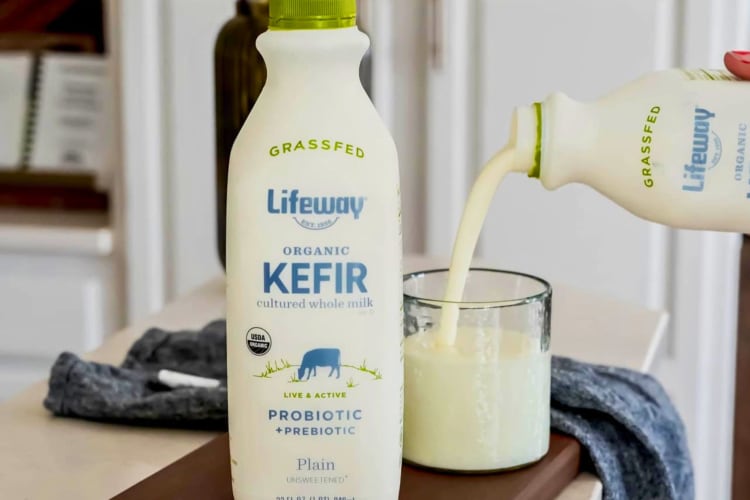
Kefir is another fermented drink, although unlike kombucha it isn’t made from tea. Instead, it’s produced by fermenting regular or non-dairy milk with kefir grains, which creates a tangy, yogurt-like beverage.
Kefir naturally contains live cultures, and while research is ongoing, these cultures are one reason some people choose it when exploring the healthiest soda alternatives. Kefir also tends to provide calcium and potassium, which are present in many dairy and fortified non-dairy products.
Because it’s made from milk, kefir can be higher in carbohydrates and total fat than other drinks in this guide. Plain, unsweetened versions are generally the lowest in added sugar, while flavored kefir often contains more carbohydrates due to added sweeteners.
If you enjoy kefir as a soda replacement, checking the label can help you choose an option that fits your dietary goals. As with other healthiest soda alternatives, its nutritional value depends on whether you choose plain or flavored varieties.
Lifeway Original Kefir Nutritional Info (per 8 fl oz serving size)
- Calories: 150
- Total Fat: 8 grams (10% DV)
- Sodium: 125 milligrams (5% DV)
- Carbohydrates: 12 grams (5% DV)
- Dietary Fiber: 0 grams
- Total Sugar: 15 grams
- Added Sugar: 0 grams
- Protein: 8 grams
- Caffeine: 0 milligrams
8. Prebiotic Sodas
If you know the basics of prebiotics vs. probiotics, you’ll understand why these drinks have gained attention as some of the healthiest soda alternatives. Probiotics are live microorganisms found in fermented foods and supplements.
Prebiotics, on the other hand, are fibers that serve as food for beneficial bacteria already in your gut. When added to soft drinks, prebiotic fibers can create sodas with a different nutritional profile from traditional versions.
These beverages still vary widely by brand, but many contain fewer calories and less added sugar than regular soda. Olipop’s Vintage Cola is one example. A 355 ml can contains 40 calories, 1% of the daily value for sodium and 15 grams of carbohydrates, including 2 grams of added sugar.
This makes it lower in sugar and calories than many of the healthiest sodas on grocery shelves, though it still contributes to your daily carb intake. As with every drink in this guide, how well a prebiotic soda fits your needs depends on the recipe used to make it.
Different brands use different sweeteners, fibers and flavorings, which means sugar content and overall nutrition can vary. If you’re considering prebiotic drinks on your search for the healthiest soda alternatives, a quick look at the nutrition label can help you choose an option that aligns with your goals.
Olipop Vintage Cola Nutritional Info (per 12 fl oz serving size)
- Calories: 40
- Total Fat: 0 grams
- Sodium: 30 milligrams (1% DV)
- Carbohydrates: 15 grams (5% DV)
- Dietary Fiber: 9 grams (32% DV)
- Total Sugar: 3 grams
- Added Sugar: 2 grams (4% DV)
- Protein: 8 grams
- Caffeine: 0 milligrams

9. Coffee
Plain coffee can be a simple option if you want one of the healthiest energy drink choices with caffeine. Served hot or as iced coffee, black coffee is one of the lowest-calorie, caffeinated picks among the healthiest soda alternatives when you skip cream and sugar.
The catch is in how it’s made and how much you drink. Coffee naturally contains caffeine, which can cause jitters, poor sleep or discomfort for people who are sensitive, pregnant or have certain heart or anxiety conditions.
Iced coffee drinks from cafés often include flavored syrups or cream that add significant sugar and calories. If you keep your coffee or iced coffee mostly unsweetened, it can be one of the healthiest soda alternatives with caffeine. If you rely on lots of added sugar, it becomes closer to a dessert than a soda alternative.
Small Dunkin’ Iced Coffee (No Dairy, Flavor or Sweetener) Nutritional Info (per 16 fl oz serving size)
- Calories: 5
- Total Fat: 0 grams
- Sodium: 15 milligrams (1% DV)
- Carbohydrates: 0 grams
- Dietary Fiber: 0 grams
- Total Sugar: 0 grams
- Added Sugar: 0 grams
- Protein: 0 grams
- Caffeine: 294 milligrams

10. CBD Drinks
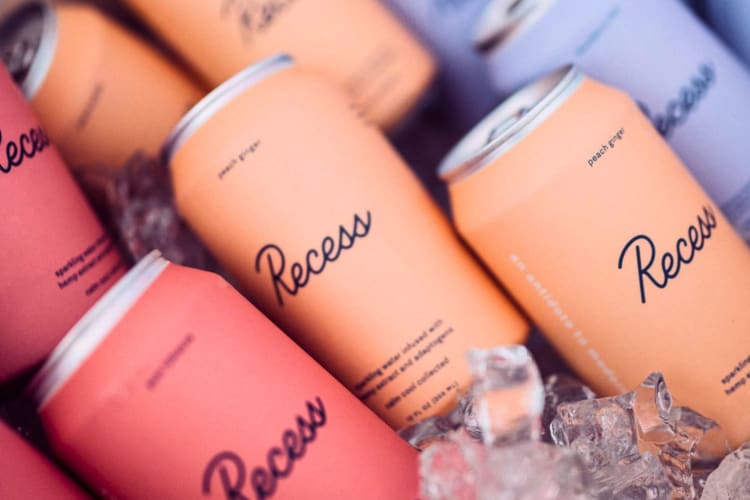
CBD drinks are sometimes mentioned among the healthiest soda alternatives, largely because many are packaged and flavored like a fizzy drink. If you miss the sweetness and carbonation of soda, they can scratch that itch without automatically coming with the same sugar content.
That said, CBD drinks inclusion here comes with a few important caveats. Availability varies by state, and the benefits often associated with CBD beverages are still based on limited evidence, so it’s best not to assume a CBD drink is “healthier” because it contains CBD.
Another point to consider is that CBD drinks come in an array of types, including sparkling waters and sodalike beverages, which means calories, sugar and sweeteners can vary a lot by brand.
In other words, they may work as a soda replacement for the fizz and flavor, but whether they count among the healthiest soda alternatives depends on the nutrition label, not the CBD.
Recess Black Cherry Sparkling Water Infused with Hemp Nutritional Info (per 12 fl oz serving size)
- Calories: 15
- Total Fat: 0 grams
- Sodium: 10 milligrams
- Carbohydrates: 3 grams (1% DV)
- Dietary Fiber: 0 grams
- Total Sugar: 3 grams
- Added Sugar: 0 grams
- Protein: 1 gram
- CBD: 10 milligrams
11. 100% Fruit or Vegetable Juice
For those looking into how to start eating healthy, juice can easily seem like one of the healthiest soda alternatives. After all, it comes from fruit or vegetables. But while it shares some similarities with produce, it isn’t quite the same thing.
Like whole fruit, 100% fruit juice contains carbohydrates and naturally occurring sugars. The difference is fiber. In whole fruit, fiber helps slow digestion and supports steadier blood sugar levels. Most fruit juice contains little to no fiber, which means the sugars are absorbed more quickly.
That’s why juice often works as one of the healthiest soda alternatives when you want a sweet treat, rather than an all-day drink. Portion size matters. A small glass can satisfy a sweet craving without turning into a sugar-heavy habit.
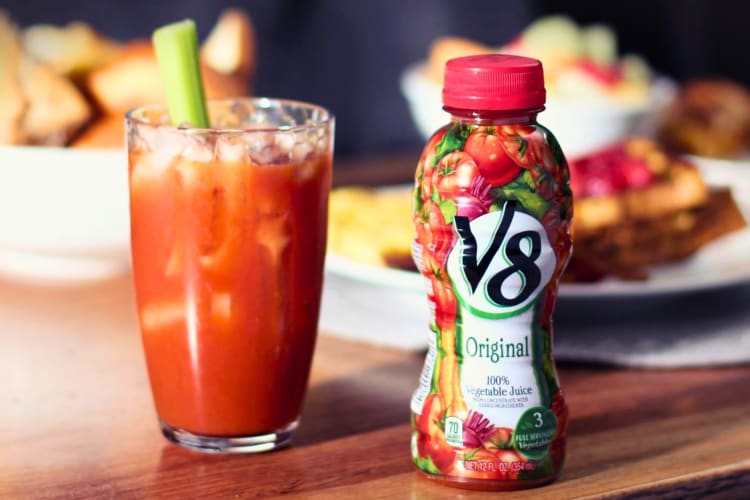
100% vegetable juice can also fit here, and it’s often lower in sugar than fruit juice. The tradeoff is that many bottled vegetable juices are higher in sodium, so it’s worth checking the label and keeping an eye on serving size.
Used thoughtfully, 100% fruit or vegetable juice can be one of the healthiest soda alternatives, especially as a stepping stone away from sugary soft drinks.
V8 Vegetable Juice Nutritional Info (per 12 fl oz serving size)
- Calories: 60
- Total Fat: 0 grams
- Sodium: 960 milligrams (42% DV)
- Carbohydrates: 13 grams (5% DV)
- Dietary Fiber: 3 grams (11% DV)
- Total Sugar: 10 grams
- Added Sugar: 0 grams
- Protein: 3 grams
- Caffeine: 0 milligrams
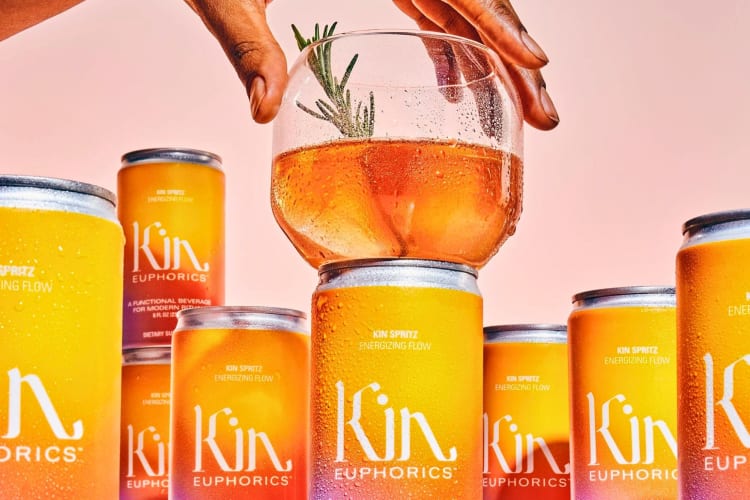
12. Adaptogenic and Nootropic Drinks
According to some sources, adaptogens are thought to help the body respond to physical or emotional stress. Nootropics are marketed for effects tied to focus, memory or alertness. With that in mind, it’s not surprising that drinks with these ingredients are sometimes grouped with the healthiest soda alternatives.
Many are lightly sweetened and carbonated, and they are often marketed alongside the lowest-sugar sodas. That said, how well they work as healthy substitutes for soda depends largely on the product you choose.
These drinks come in many forms, including enhanced teas, coffees and fizzy beverages, and each brand uses a different formula. As a result, sugar, sodium, caffeine and calorie content can vary widely, which makes label reading especially important.
It’s also worth noting that the effects of adaptogens and nootropics have not been extensively studied in beverage form. Many of the claims associated with these ingredients are still emerging, and regulation of functional additives is less strict than it is for medications.
As a soda replacement, these drinks may appeal for their flavor, fizz and novelty. Whether they qualify as the healthiest soda alternatives depends more on their overall nutrition profile than on the added ingredients themselves.
Kin Spritz Invigorating Energizer Nutritional Info (per 8 fl oz serving size)
- Calories: 30
- Total Fat: 0 grams
- Sodium: 25 milligrams (2% DV)
- Carbohydrates: 9 grams (3% DV)
- Dietary Fiber: 3 grams (12% DV)
- Total Sugar: 4 grams
- Added Sugar: 0 grams
- Protein: 0 grams
- Caffeine: 50 milligrams
What Is the Healthiest Alternative to Soda?
The healthiest soda alternative overall is water. With zero calories, sugar or fat, it’s the most effective way to stay hydrated and quench thirst. If part of soda’s appeal is the fizz and the feeling of cracking open a can, a healthy carbonated drink like plain sparkling water can be the closest match, offering carbonation without added sugar or calories.
Beyond water, the healthiest soda alternative depends on your goals and preferences. Sparkling or infused waters work well for everyday hydration, while unsweetened iced tea or herbal tea can add flavor without much nutritional downside.
Fermented options like kefir or kombucha may appeal if you want something tangy and fizzy, though they still contribute calories and, in some cases, sugar, which makes moderation important.
If you’re trying to avoid caffeine, options like herbal tea, 100% fruit juice or vegetable juice can fit among the healthiest soda alternatives, keeping portion size in mind since juices still contain natural sugars or, in the case of vegetable juice, sodium. If you want caffeine without the sugar found in energy drinks or soda, plain black coffee or lightly sweetened iced coffee can be a lower-calorie swap.
Ultimately, the healthiest soda alternatives are the ones that reduce added sugar, fit your dietary needs and taste good enough to help you cut back on regular soda in a way that aligns with dietary guidelines.

How We Choose the Healthiest Soda Alternatives
The easiest way to find the healthiest soda alternatives is to review the nutritional information of each product. To inform this guide, we assessed the nutritional breakdown of each of the healthiest soda alternatives.
We focused on options that keep added sugar and overall calories low since these factors most often distinguish soda from healthier choices. As a benchmark, we referred to the USDA Dietary Guidelines for Americans, which recommend limiting added sugars to less than 10% of daily calories and keeping sodium below 2,300 milligrams per day for most adults.
We also reviewed total carbohydrates, sodium and ingredient quality, noting when a product includes natural flavors, fruit extracts or functional additions like probiotics, prebiotics or electrolytes.
Since readers have different needs, we included the healthiest soda alternatives with and without caffeine, options that are sweetened and unsweetened, plus fermented choices like kombucha and kefir and functional picks like prebiotic sodas.
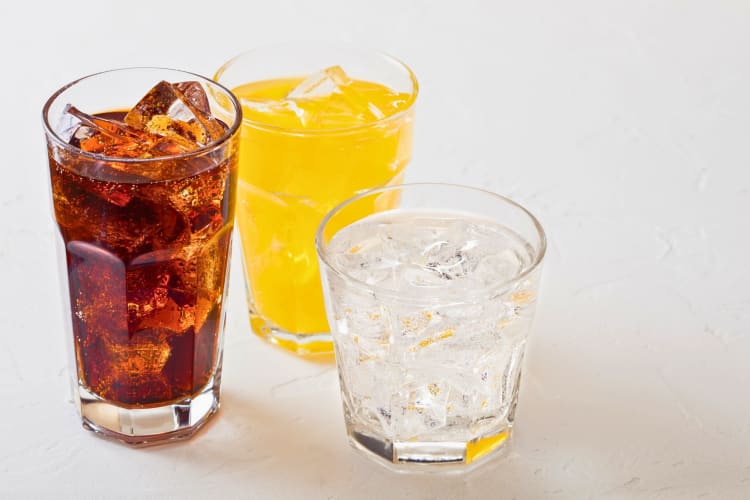
And that’s a wrap on the healthiest soda alternatives! Hopefully by now your thirst has been suitably quenched, and if it hasn’t, what are you waiting for?
From coffee and fruit juice to good old-fashioned H2O, this guide shows how easy it can be to mix things up. With the healthiest soda alternatives on hand, cutting back on sugary soft drinks becomes a realistic daily habit, helping you choose drinks that better support your health goals and fit your everyday routine.
For even more ways to explore your favorite foods, check out other experiences happening on Cozymeal.