Healthiest Alcohols to Drink (Low-Calorie, Low-Sugar Options)

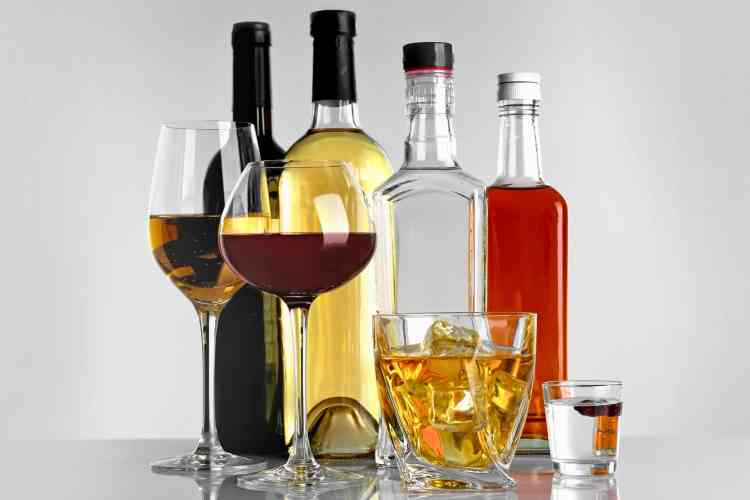
What’s the healthiest alcohol to drink when you want to kick back and relax? With so many options — wine, beer, spirits and cocktails — the healthiest options usually come down to how a drink is made. In general, the healthiest alcohols are the ones that are lower in sugar, simpler in ingredients and easier to keep within a moderate range.
This guide breaks down the best options, from clean spirits to dry wines and lighter beers, so you can choose what works for you. As always, moderation matters; both in how much you drink and how often. That means keeping track of how much you drink, pairing drinks with food and staying aware of the consequences of excessive drinking. Another thing to keep in mind is that drinking isn’t for everyone. You understand your body best, including how it reacts to certain foods and drinks.
- What Is the Healthiest Alcohol to Drink? (Quick Answer)
- Healthiest Alcohols Ranked (From Best to Worst)
- Comparison Table: Calories, Sugar and Best Choices
- How to Choose the Healthiest Alcohol for You
- What Actually Makes an Alcohol “Healthy”?
- Healthiest Alcoholic Drinks by Scenario
- Natural Alternatives to Alcohol (Low-ABV and Alcohol-Free Options)
- FAQs About the Healthiest Alcohols
What Is the Healthiest Alcohol to Drink? (Quick Answer)
For celebrations both big and small, alcohol-based drinks often play a significant role. But which options are considered the healthiest alcohols to drink? Obvious choices might be red wine, vodka soda and light beer among others. These are definitely popular and well-known for certain health benefits.
However, the truth is that alcohol just isn’t completely healthy as an option. There are tons of risks associated with it that can’t be canceled out by its benefits. That’s why it’s important to consume alcohol-based drinks in moderation.
Stay mindful of the alcohol content you drink at a time and in general, as well as all the potential health risks for blood pressure, diseases and cardiac issues that may arise with over-consumption. When choosing the healthiest alcohol to drink, the key could be as simple as staying mindful and responsible about when and how you enjoy your drink.
Opting for lower-sugar or sugar-free drinks can help to lower calories. Drinks made with a soda water base are a great way to achieve this. You can also stay hydrated with regular water in between drinks to dilute the alcohol content and make sure to eat a balanced meal before, during or afterward. Still, these actions can only mitigate the risks by a certain amount.
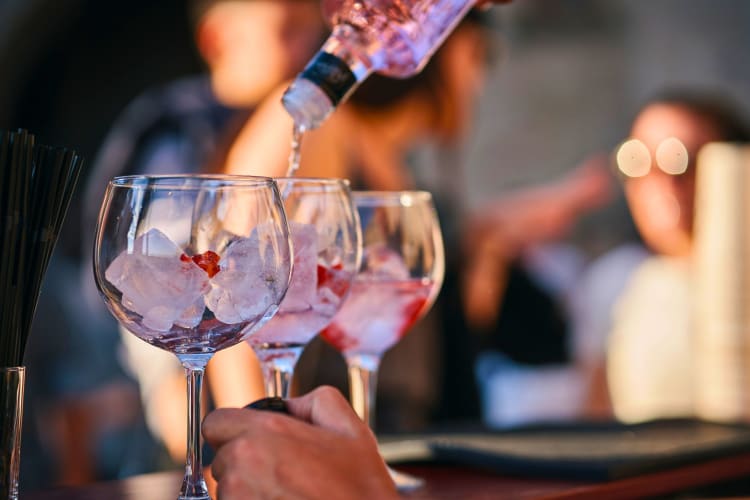
Healthiest Alcohols Ranked (From Best to Worst)
1. Tequila (100% Agave)
Tequila is the top choice when you're looking for “healthier” alcohols, but you should know that not all bottles are created equal. Your top pick should be 100% agave tequila. This means that it's made entirely from the blue agave plant with no added sugars or fillers. Be on the lookout for lower-quality tequilas that are often labeled “mixto,” because they can include added sugars. This not only changes the calorie profile, but also how your body processes the drink.
Within that category, blanco or silver tequila is usually the most straightforward choice because it’s bottled shortly after distillation. This means that it hasn’t picked up anything from barrels, like added color or subtle sugars from aging; it's just the pure agave spirit. That keeps it naturally low in sugar and relatively low in calories compared to more complex cocktails or heavily mixed drinks. A simple tequila with soda and lime is about as clean as it gets at a bar, so it should be your default order when looking for the lightest alcohol.
Aged tequilas like reposado or añejo — which often include the most expensive tequila options — aren’t “unhealthy,” but they do introduce more variables. Time in barrels can slightly alter the profile, and in some cases, producers add coloring or sweeteners to enhance flavor and consistency. It should be said that this doesn’t make them a bad choice; it's just a less predictable one if your goal is simplicity.
Even with all of these advantages, the bigger picture doesn’t change: alcohol is still alcohol. Portion size, mixers and how often you’re drinking will always have a bigger impact than the type you choose. But if you’re looking for the cleanest, most reliable starting point, a simple 100% agave tequila is hard to beat.

2. Vodka
Vodka has a reputation as one of the “cleaner” spirits, and when you keep things simple, there is some truth to that. Because it’s typically distilled multiple times, vodka contains fewer congeners (the byproducts linked to stronger hangovers) than darker or aged spirits. In practical terms, that means a more neutral profile and, when served without sugary mixers, a relatively low-calorie, low-sugar drink.
The easiest way to keep vodka on the lighter side is a classic vodka soda, which is exactly what it sounds like — vodka with one of the healthiest sodas and a squeeze of lime or lemon. This blend has no hidden sugar, no syrups and no unexpected calorie spike. It’s also one of the most consistent vodka cocktails you can make at a bar; even if the pour varies slightly, the structure of the drink stays clean. If you want to be extra mindful, ask for plain soda water rather than flavored versions, which can sometimes sneak in sodium or sweeteners.
With all this said, according to Cancer.org, drinking vodka sodas excessively can have negative effects on the liver, may increase risk for certain cancers and could cause higher blood-alcohol levels in the short-term. Be careful with your vodka soda consumption so you can enjoy the benefits with fewer risks.
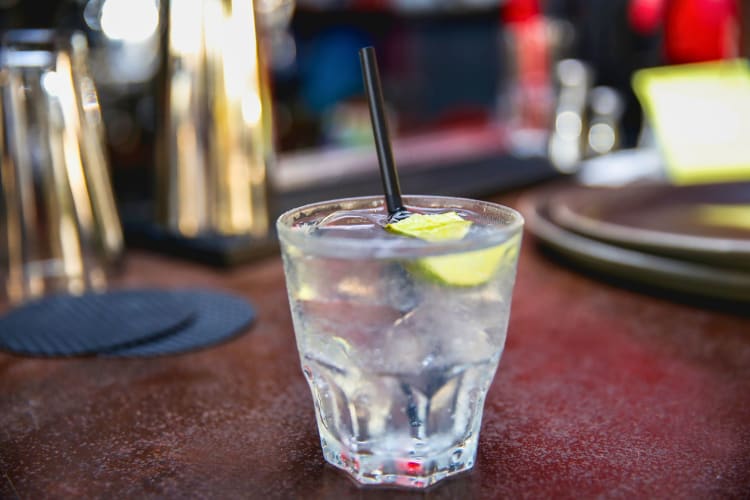
A Bloody Mary is a good example of how your drink can still be a “healthier” choice, even with more going on in the glass. Built on a base of tomato juice, vodka and savory additions like lemon, Worcestershire sauce, pepper and celery, it's a more spiced, umami-rich profile than a sugary cocktail. Compared to fruit-heavy drinks or anything blended, it typically has much less sugar, which is why it’s often seen as a smarter brunch option.
It’s worth keeping expectations realistic, though. While tomato juice and celery add flavor (and a bit of nutritional value), a Bloody Mary isn’t a substitute for actual vegetables. Depending on how it’s made, it can be high in sodium. Like the vodka soda, it’s less about the ingredients being “healthy” and more about what’s not in the glass: excess sugar, syrups and calorie-dense mixers.
When drinking vodka, our advice is to stick to simple builds and be mindful of portions. This way, vodka remains one of the more reliable options if you’re trying to keep things balanced.

3. Red Wine
Red wine is often associated with heart health and possible cardiovascular benefits when consumed in moderation. During fermentation, the grape skins remain in contact with the liquid, which gives red wine its color and compounds. These include resveratrol, catechins and anthocyanins, all of which have been studied for their potential to reduce inflammation and support vascular function. It’s part of the reason red wine is so often linked to the Mediterranean-style approach to eating and drinking.
Where it fits in practically is moderation and simplicity. A standard glass of dry red wine tends to be relatively low in sugar compared to many cocktails, and because it’s typically consumed on its own, there’s no risk of sugary mixers quietly increasing the calorie count. If you’re choosing between options at dinner, consider one of the drier varieties. If you want a deeper breakdown of which bottles align best with those goals, this guide to the healthiest wines walks through the details.
That said, the “healthy” reputation can be overstated. Any potential benefits from antioxidants are quickly offset if consumption creeps up, and alcohol still carries the same risks regardless of the source. While a glass of red wine may complement a balanced lifestyle, it’s not something to rely on for health gains. Think of it more as a better choice within the category, rather than a true health product.

4. White Wine (Dry)
White wine often gets grouped alongside red as a relatively balanced choice, especially when you keep it dry. While it doesn’t contain the same level of antioxidants as red wine because the grape skins are removed earlier in the process, it still provides polyphenols. These have been linked to anti-inflammatory effects. What you won't find in the glass is excess sugar, heavy mixers or overly high alcohol content.
Dry white wines like sauvignon blanc, pinot grigio and chardonnay are particularly lower in residual sugar, which means fewer calories and less sweetness. In fact, dry white wine usually contains around 120–125 calories per standard 5-ounce pour. If you’re unsure what qualifies as “dry,” this guide to "What is a dry white wine?" breaks it down in more detail.
It’s also worth noting that many white wines come in at a slightly lower ABV than some reds, which adds up over the course of an evening. Choosing simpler, well-made bottles (whether organic or not) generally means fewer additives and a cleaner overall profile, without sacrificing flavor.
As with everything in this category, the benefits are relative. A dry white wine can be a lighter, lower-sugar choice compared to many cocktails, but it’s still alcohol at the end of the day. So keep your portions in check as a smart addition to a balanced lifestyle.

5. Sparkling Wine
Bubbly, anyone? Sparkling wine — whether it’s Champagne, prosecco or cava — sits comfortably among the lighter alcohol options, especially when you stick to drier styles. It's interesting to know that the signature bubbles come from natural carbonation during fermentation. But because we're looking at health here, what matters most is the drink's structure. It's typically lower in sugar than many cocktails and served in smaller pours. A standard glass of brut sparkling wine usually lands around 90–100 calories, so it's one of the more moderate choices for celebratory drinking.
Dry varieties like brut or extra brut contain minimal residual sugar, which keeps the overall profile crisp rather than sweet. The carbonation can also naturally lead to slower sipping, which can help with pacing. Some of the same compounds are found in other wines, including small amounts of antioxidants, but, as with red and white wine, any potential benefits are secondary at best. The bigger advantage here is that it's usually sipped in simplicity, which means no mixers, no added sugars and a relatively controlled serving size.
It can be easy to overestimate how “light” sparkling wine actually is. The bubbles can make alcohol absorb slightly faster, and sweeter styles (like demi-sec) have a bit higher sugar content. Like any alcohol, the downsides show up when portions increase, like dehydration, disrupted sleep and added strain on the body. As a result, sparkling wine works best as an occasional, well-chosen option. Stick to dry styles, keep pours moderate, and it remains one of the more balanced ways to enjoy a drink.

6. Light Beer
Light beer is brewed to contain fewer carbohydrates and fewer calories than standard beers, typically landing around 90–110 calories per 12-ounce serving. That makes light beer one of the healthiest beers and an easy choice for a refreshing drink that doesn’t come with the added sugars or a heavier feel.
These are seen as healthier because of how they're made. Light beers are either brewed with fewer fermentable sugars or filtered to reduce their carbohydrate content, resulting in a lower overall calorie count. Compared to darker or higher-ABV beers, they tend to be lighter in both body and alcohol.
It should be mentioned that not all “light” beers are the same. Some craft or specialty options can still have a high calorie count or alcohol content, so check the label before sipping. The same goes for quantity: because light beer is easy to drink, it’s also easy to lose track of how much you’ve had, which can quickly offset any calorie advantage.
Like the rest of this list, it’s less about light beer being inherently “healthy” and more about it being a better choice within the category. Stick to moderate portions, keep an eye on ABV and it remains one of the more straightforward, lower-impact ways to enjoy.
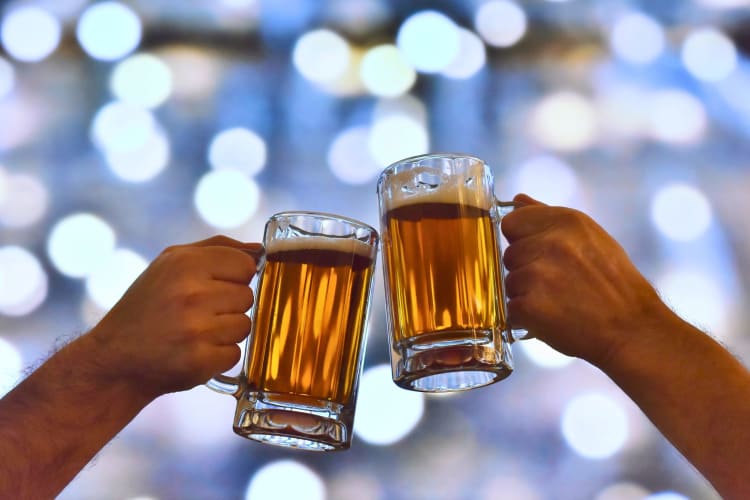
7. Gin
Gin sits in a similar category to vodka, as it's seen as a “cleaner” spirit, which basically means it’s distilled, doesn’t carry added sugars and is relatively low in calories (around 97 per 1.5-ounce serving). But gin is also known for its botanical notes of juniper, citrus and herbs. So you can drink it neat without adding syrups or heavy mixers.
The best-known cocktail is probably the gin and tonic. But this is where things get a little tricky. Traditional tonic water can be surprisingly high in sugar, making it heavier in calories. If you swap in a diet or slimline tonic, or even soda water with fresh citrus, you can keep the profile crisp while keeping calories low.

A classic dry martini is a timeless and elegant cocktail that's naturally low in calories and sugar. Made with gin and a small amount of dry vermouth, it skips mixers entirely. This keeps both sugar and calorie counts low, usually in the 120–150 range. Even the garnish plays a role: an olive adds a bit of fat and salt, which can take the edge off drinking on an empty stomach. For a refreshing and bright twist, add some lemon or try a cucumber martini.

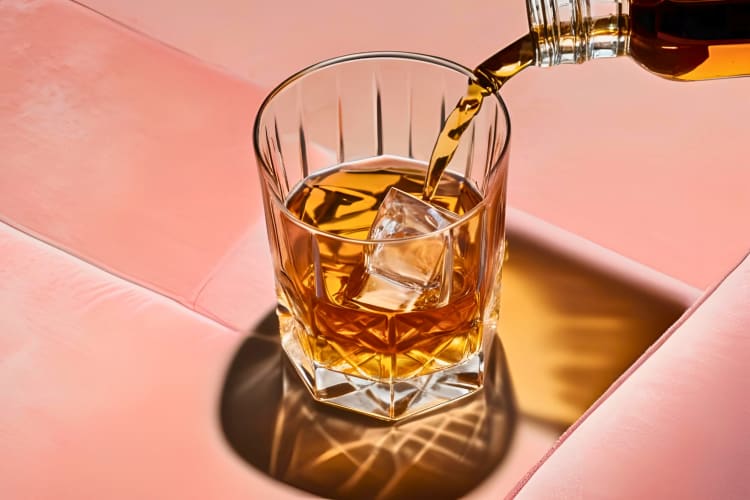
8. Whiskey
While whiskey is probably a heavier choice for most, in its simplest form, it’s not too different from other distilled spirits. A standard 1.5-ounce pour comes in at roughly 100–110 calories, with no sugar or carbohydrates. Like the other spirits on this list, the key advantage is control when you drink it neat.
It may be clean, but because it’s aged in barrels, it develops deeper flavors and contains more congeners than clear spirits. This can contribute to stronger hangovers for some people. This means that whiskey is best when sipped slowly and in moderation. Because whiskey (typically bourbon) is enjoyed with mixers or in cocktails (think old fashioneds, whiskey sours or anything with syrups) it can add significant sugar and calories.
As with the rest of this list, the benefits are relative. Whiskey isn’t a health drink, but it can be a more controlled option when you avoid added sugars and keep portions in check. Treat whiskey as something to sip and enjoy rather than something to power through, and it will remain one of the healthier alcohols to drink.
10. Regular Beer
We now move away from the “lighter” end of the spectrum with regular beer. While the heaviest choice on this list, it can still fit into a balanced approach, but this depends on how you choose and how much you drink. A standard 12-ounce beer typically lands between 140–180 calories, with more carbohydrates than light beer due to the way it’s brewed. The extra body is what gives regular beer its fuller flavor, but it also gives it a higher calorie count.
But because beer is mostly poured and served as-is, there aren't any hidden sugars or added mixers. Options like lagers or pilsners generally stay on the lower end of the calorie range, while heavier styles like IPAs, stouts or craft brews with higher ABV can climb significantly higher. Pay attention to alcohol content if you want to keep it healthy. Stronger beers not only increase calories but can also accelerate how quickly alcohol affects you.
Beer is often one of the easiest drinks to overconsume without noticing because it's usually served in larger volumes. So, the difference between one and three can be significant from both a calorie and alcohol standpoint. So, as we always recommend, stick to moderate-strength styles, keep portions in check and space drinks out to be more balanced.

Comparison Table: Calories, Sugar and Best Choices
| Alcohol | Calories (per serving) | Sugar | ABV | Key Benefit | Best For |
|---|---|---|---|---|---|
| Tequila (100% agave) | ~97 (1.5 oz) | 0g | ~40% | No added sugar, clean profile | Low-cal cocktails |
| Vodka | ~97 (1.5 oz) | 0g | ~40% | Neutral, low congeners | Simple mixed drinks |
| Gin | ~97 (1.5 oz) | 0g | ~40% | Botanical flavor, no sugar | Light cocktails (G&T, martini) |
| Whiskey | ~105 (1.5 oz) | 0g | ~40–45% | No carbs or sugar | Slow sipping, neat pours |
| Red wine (dry) | ~125 (5 oz) | ~1g | ~12–14% | Contains antioxidants | Dinner pairing |
| White wine (dry) | ~120 (5 oz) | ~1g | ~11–13% | Lower sugar than sweet wines | Lighter meals |
| Sparkling wine (brut) | ~95 (5 oz) | ~1–2g | ~11–12% | Lower calories, smaller pours | Celebrations |
| Light beer | ~100 (12 oz) | ~1–2g | ~4–5% | Lower carbs and calories | Social drinking |
| Regular beer | ~150 (12 oz) | ~2–4g | ~5–6% | Simple, no mixers | Casual drinking |
| Hard seltzer | ~100 (12 oz) | ~1–2g | ~4–5% | Low-cal, flavored option | Easy alternatives to beer |
How to Choose the Healthiest Alcohol for You
There isn’t a single “healthiest” option that works for everyone. What makes a drink a better choice depends on how your body responds to it, what your goals are and how you typically drink. Yes, things like calories and sugar matter a lot, but so do things like digestion, tolerance and even how a drink fits into your routine. So think about it this way, rather than defaulting to a generic list. We're here to help you with your decision.
Note: Even the “healthiest” alcohol can work against you if you’re not careful. Watch for sugary mixers (juice, syrups, tonic), heavy pours and high-ABV drinks that are easy to overdo without realizing.

Based On Calories, Sugar and Fat Storage
While calories matter, it's good to know how alcohol affects your body first. When you drink alcohol, your body prioritizes metabolizing it first because it’s treated as a toxin. That means fat burning is temporarily paused, which is one reason regular drinking can contribute to weight gain over time. Drinks that combine alcohol with sugar — like cocktails, sweet wines or heavy beers — compound this effect by adding extra calories your body is more likely to store. Simpler options like spirits with soda or dry wines could have less impact because they avoid that combination.
Based On Metabolic Health and Blood Sugar
Alcohol can disrupt blood sugar levels, especially when paired with sugary mixers or consumed on an empty stomach. For people focused on metabolic health, this is where cleaner options make a difference. Dry wines and straight spirits have little to no sugar, which helps avoid sharp spikes and crashes. Sweeter drinks, on the other hand, can lead to more noticeable fluctuations in energy and appetite.
Based On Digestion And Gut Sensitivity
Carbonated drinks like beer or sparkling wine can cause bloating, while certain wines may trigger sensitivity to compounds such as sulfites or histamines. Heavier, more complex drinks can also be harder to tolerate. If you’re trying to minimize digestive discomfort, simpler drinks like a spirit with soda and citrus are often easier on the system.
Based On Inflammation, Recovery And Sleep
Here's an interesting fact that not many people think about. Alcohol doesn’t just affect you in the moment; it can interfere with recovery long after. As mentioned by the Sleep Foundation, alcohol has been linked to increased inflammation, poorer sleep quality and slower physical recovery, particularly when consumed in higher amounts. While no alcohol is truly “anti-inflammatory,” drinks that are lower in sugar and consumed in moderation usually have a less noticeable impact. Timing is also important. Drinking late in the evening is more likely to disrupt sleep than drinking earlier, at a slower pace.
Based On Dietary Restrictions And Sensitivities
For some people, the choice of what alcohol to drink comes down to what they need to avoid. Beer contains gluten, which can be an issue for those with intolerance or sensitivity, while certain wines or flavored drinks may include additives that don’t sit well. Distilled spirits like tequila, vodka and gin generally have a more straightforward composition.
Based On Hangover Risk And Tolerance
Hangovers aren’t just about how much you drink, they’re also influenced by what you drink. Darker, aged spirits contain more congeners, which are compounds that can contribute to more intense next-day effects for some people. Sugary drinks can also make things worse by increasing dehydration and blood sugar swings. Lighter, simpler drinks and slower pacing tend to be easier to manage, but individual tolerance plays the biggest role.
While we never recommend excessive drinking, you could help to make your hangover better by adopting the "one-for-one" rule. This means alternating alcoholic beverages with water to stay hydrated and potentially reduce the severity of next-day hangovers. Because alcohol is a diuretic that makes you urinate more often, this practice helps offset the loss of fluids and electrolytes. To guide you, it's recommended to drink one glass of water (approx. 8-12 ounces) for every standard alcoholic drink (e.g., 12-oz beer, 5-oz wine, or 1.5-oz shot).

What Actually Makes an Alcohol “Healthy”?
No alcohol is truly healthy. The difference comes down to how much overall stress it puts on your body.
A few factors drive this stress, including:
- Alcohol is processed first: Your body treats it as a toxin, which temporarily pauses fat burning and other metabolic processes.
- Sugar + alcohol is the worst combination: This is where most drinks lose their “healthy” label. Cocktails, sweet wines and sugary mixers increase both the calorie load and the impact on blood sugar.
- Strength and volume matter more than type: A large pour of “healthy” alcohol can outweigh a small pour of something less ideal.
- Frequency beats everything: What you drink occasionally matters far less than what you drink regularly.
Healthiest Alcoholic Drinks by Scenario
Choosing the “healthiest” option often depends on where and how you’re drinking. These quick picks keep choosing your options simple.
- Best drinks to order at a bar: Stick to reliable, low-sugar defaults like a tequila soda, vodka soda or a dry wine. These are easy to order anywhere and avoid hidden sugars that come with cocktails or flavored mixers.
- Best low-calorie cocktails at home: Being at home makes things a little easier because you have full control. A simple mix like gin with soda and citrus, or a light tequila spritz, keeps calories low without sacrificing flavor. Avoid juices and syrups; they add unnecessary sugars and calories.
- Best options for a night out: Go for drinks that are easy to pace, like light beer, sparkling wine or a single spirit with soda. These help you stay in control over time, rather than drinking something stronger without realizing it. The more inebriated you are, the weaker your willpower.
- Best choices for brunch or social events: A Bloody Mary or a glass of dry sparkling wine works well here. They are both good choices for the occasion, but can be lower in sugar than sweeter brunch cocktails.
Natural Alternatives to Alcohol (Low-ABV and Alcohol-Free Options)
When it comes down to it, drinking alcohol is often a ritual we've become accustomed to. A cold beer after work, a glass of heavy red with your steak, a classic G&T during a summer picnic. If you’re looking to cut back without giving up the ritual of having a drink, there are a few solid alternatives that keep the habit strong without relying on alcohol.
- Mocktails (no-alcohol cocktails): Built with soda water, citrus, herbs and natural ingredients, mocktails offer the same refreshing feel as a cocktail without the alcohol or added sugar. Just remember to skip syrups and keep it clean.
- Kombucha: This lightly fermented tea has a small amount of natural carbonation and a tangy profile that can feel closer to a drink than juice or soda. It’s often chosen as a lower-sugar alternative, though it can still contain trace amounts of alcohol and is therefore not recommended to drink during pregnancy.
- Low-alcohol spritzes: If you’re not fully avoiding alcohol, a simple spritz — wine with soda water and citrus — contains less alcohol while still feeling like a proper drink, especially in public settings where you want to share a glass with a friend and be on a similar buzz. It’s one of the easiest ways to reduce overall intake without changing the experience too much.
FAQs About the Healthiest Alcohols
What Is The Healthiest Alcohol For Weight Loss?
If weight loss is the goal, the best choice is one that keeps both calories and added sugars low. Order simple drinks like a vodka soda, tequila with soda and lime or a glass of dry wine. One major factor is how the alcohol is processed. Because your body prioritizes breaking it down first, fat burning is temporarily paused. In practice, that means even “low-calorie” drinks can work against your goals if they’re frequent or paired with sugary mixers. Keeping portions small and drinks simple matters more than the specific type.
Which Alcohol Has The Least Sugar?
Straight spirits like vodka, tequila, gin and whiskey contain zero sugar on their own (see our table for more guidance). Dry wines also come in very low, typically around 1 gram or less per serving. Sugar can creep in with mixers like juice, tonic or syrups, or sweeter styles like dessert wines and certain cocktails. If you’re trying to minimize sugar, the safest approach is to stick to unsweetened drinks or build your own with soda water and fresh citrus.
Is Red Wine Actually Healthy?
Red wine is often associated with potential heart benefits because it contains antioxidants such as resveratrol. However, those benefits are easily overstated. The amounts are relatively small, and alcohol itself still carries risks, especially with regular or excessive consumption. A glass of red wine can fit into a balanced lifestyle, but it’s better to think of it as a lower-impact option, not a health product.
What Alcohol Causes The Least Inflammation?
No alcohol is truly anti-inflammatory, but some choices may have less noticeable impact than others. Drinks that are lower in sugar and simpler in composition — like dry wines or spirits with soda — are easier for the body to process than sugary cocktails or heavy, high-ABV drinks. For some people, darker or more complex drinks can have a more inflammatory feeling, but this varies. Ultimately, how much and how often you drink plays a much bigger role than the specific type.
Final Thoughts: The Healthiest Alcohol Is the One You Drink Smartly
There isn’t a perfectly healthy choice when it comes to alcohol — only better decisions within the category. Two key factors are how the drink is made and how often you have it. Simpler options like straight spirits, dry wines or light beers keep sugar and calories low, but even those can work against you if portions start to increase or habits become routine.
What matters more is the overall approach. Keep your drinks simple and clear, be mindful of serving size and pay attention to how your body responds. For some, that might mean sticking to a tequila soda or a glass of dry wine. For others, it might mean choosing lower-alcohol alternatives or drinking less frequently.
In the end, the healthiest alcohol is the one that fits into your lifestyle without creating unnecessary trade-offs. When you keep it intentional and balanced, you can enjoy a drink without it working against your broader goals.
For even more ways to explore your favorite foods, check out other experiences happening on Cozymeal.